If you have ever walked out of an acupuncture session feeling lighter, less tense, or noticeably more at ease, your first question is probably: how long is this going to last? It is a fair question, and one that deserves a clear, honest answer rather than vague reassurances. The truth is that acupuncture results vary from person to person, and the duration of relief depends on several factors, including what you are treating, how long you have had the condition, and how consistently you receive care.
This article breaks down what current research says about how long acupuncture effects last, how that compares to other natural health approaches, what to expect from a treatment session, and how a personalized care plan can help you get the most out of every visit. Whether you are managing chronic pain, stress, or sleep issues, understanding the timeline helps you make better decisions about your care.
Key Takeaways
- Research shows that acupuncture effects for chronic pain can last up to 12 months with proper treatment.
- A clinical study found that acupuncture effects lasted an average of 5.5 weeks after the final treatment session.
- How long acupuncture takes to work depends on the condition being treated and the frequency of sessions.
- Acupuncture needles are thin, short, and typically left in place for 10 to 30 minutes per session.
- Personalized care plans, like those offered at Acupuncture Colorado Springs, tend to produce more sustained results than one-off sessions.
How Long Do the Effects of Acupuncture Last? What the Research Actually Shows
This is the question most people search for before booking their first appointment, and the research gives us a more concrete answer than many expect. A peer-reviewed study published in the Archives of Internal Medicine found that the effects of a course of acupuncture treatment for chronic pain did not decrease importantly over 12 months. In fact, the central estimate suggested that approximately 90% of the benefit relative to control groups was still present at the one-year mark.
That is a meaningful finding. It tells us that acupuncture is not just a temporary fix that fades within days.
A separate study looking specifically at effect duration found that the average length of relief after the last treatment session was 5.5 weeks in the acupuncture group, compared to just 2.2 weeks in the sham acupuncture group. That gap matters because it shows the effects are not purely placebo-driven. There is something measurable happening in the body after real acupuncture treatment ends.
How Long Does Acupuncture Take to Work, and Why Does It Vary?c
You might be wondering why some people feel results after one session while others need several weeks of consistent care before noticing a shift. The answer comes down to the nature of what is being treated. Acute conditions, like a recent muscle strain or a tension headache, often respond more quickly than chronic patterns that have built up over months or years.
Think of it this way. A condition that took two years to develop is unlikely to fully resolve in two sessions. That does not mean acupuncture is slow. It means the body needs enough input to shift a pattern that has become deeply established.
Here are some general timelines based on condition type:
- Acute pain or tension: Some relief may be felt after one to three sessions.
- Chronic pain (back, neck, joints): Meaningful improvement is often reported after six to eight sessions over several weeks.
- Stress and anxiety: Many patients notice calmer sleep and reduced tension within three to four weeks of regular care.
- Digestive and hormonal concerns: These often take longer, with noticeable changes appearing over six to twelve weeks.
- Insomnia: Some patients report better sleep quality within the first few sessions, though deeper regulation may take longer.
This is similar to how other natural health approaches work. For example, research from Ohio State Health notes that people using ashwagandha typically notice calmer feelings and better sleep in about 4 to 12 weeks, with at least three months recommended to fully assess the effect. Acupuncture follows a comparable rhythm: real results build over time with consistent input.
How Long Are Acupuncture Needles in Place, and What Happens During a Session?
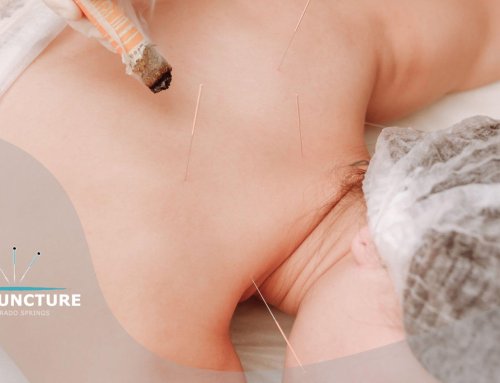
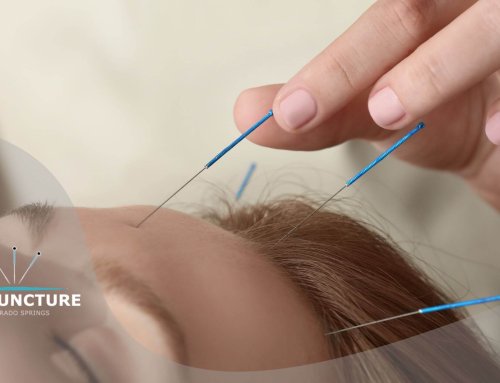
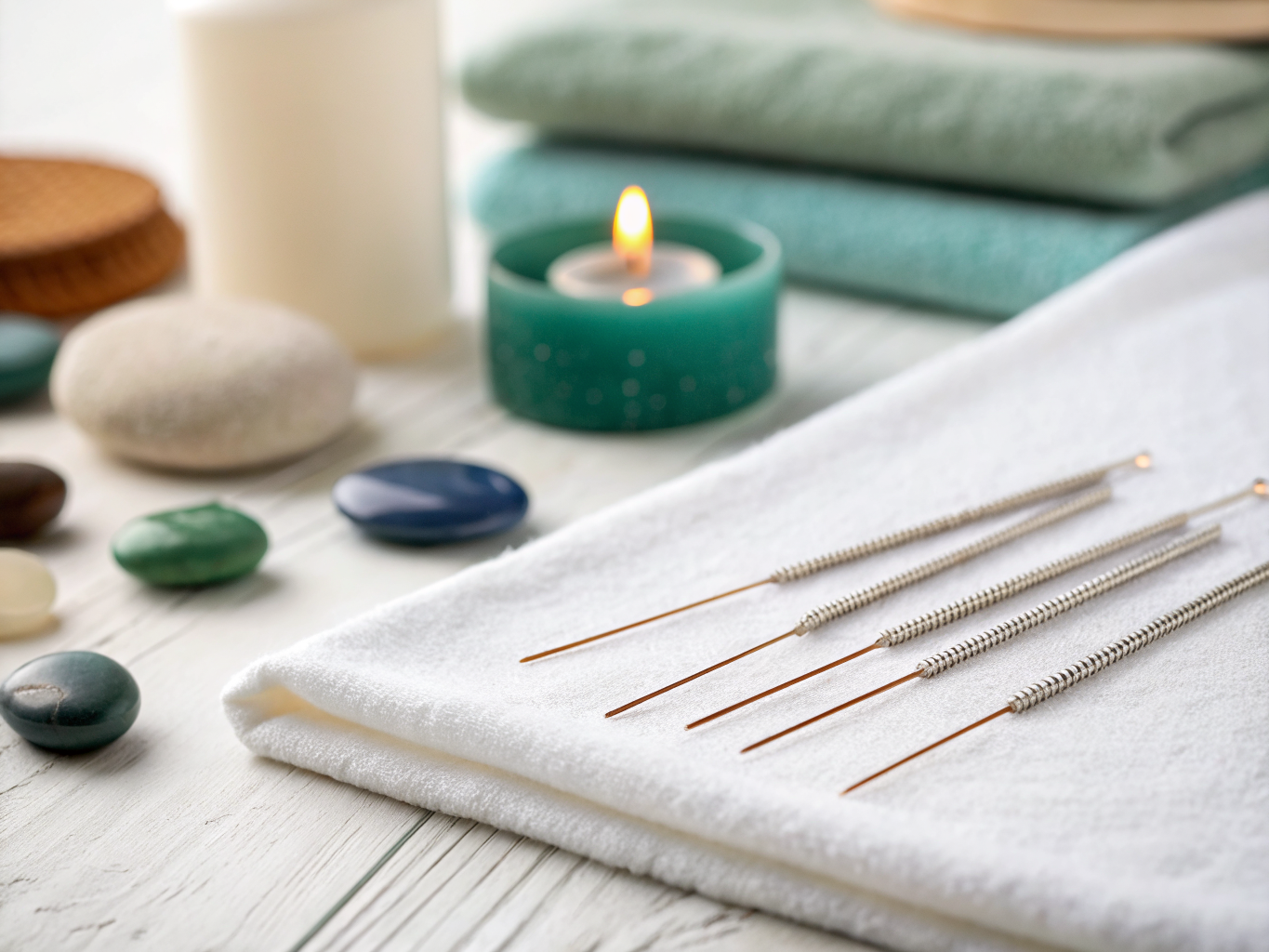
A lot of people are curious about the physical experience of acupuncture before they try it, which is completely understandable. Standard clinical acupuncture needles are very thin and short, typically ranging from about 8 mm to 7 cm in length depending on the treatment area and depth required. They are nothing like the needles used for injections or blood draws.
During a session, needles are usually left in place for 10 to 30 minutes. Most patients describe the sensation as a mild ache, warmth, or a slight pressure at the insertion point, which is sometimes called the de qi sensation in Traditional Chinese Medicine. Many people fall asleep on the table.
At Acupuncture Colorado Springs, every session begins with a detailed conversation about your current symptoms, health history, and goals. David W. Armstrong, L.Ac., uses that information to select specific acupuncture points tailored to your pattern, not a generic protocol applied the same way to every patient. Sterile, single-use needles are always used, and the clinic environment is designed to help you feel calm and at ease from the moment you arrive. If you are ready to experience what a personalized session feels like, book an appointment and we will walk you through every step.
What Factors Influence How Long Acupuncture Effects Last?
Duration of relief is not fixed. Several variables shape how long you feel the benefits after each session and after a full course of treatment. Understanding these factors helps you set realistic expectations and make the most of your care.
1. Chronicity of the Condition
Long-standing conditions typically require more sessions to produce lasting change. A chronic lower back issue that has been present for five years will respond differently than a recent flare-up from a weekend hike in the Rockies.
2. Frequency of Treatment
Receiving acupuncture once a week for six weeks tends to produce more sustained results than spacing sessions out too far apart. Consistent input helps the nervous system establish new patterns rather than reverting to old ones between visits.
3. Lifestyle Factors
Sleep quality, diet, physical activity, and stress levels all influence how well the body holds the benefits of treatment. In Colorado Springs, where an active outdoor lifestyle meets high altitude and dry air, these variables matter more than many people realize.
4. The Condition Being Treated
Pain conditions have some of the strongest research behind them for lasting acupuncture effects. Stress, sleep, and hormonal concerns also respond well, though the timeline and maintenance schedule may look different.
5. Whether a Maintenance Plan Is in Place
Many patients transition from a more intensive initial phase of care to monthly or seasonal maintenance sessions. This is similar to how you might approach other health habits: you do not stop exercising once you feel better. Ongoing, lower-frequency sessions help sustain the gains made during the initial treatment phase.
6. Individual Physiology
Age, constitution, and overall health status all play a role. Older patients managing arthritis or stiffness may find that their body responds more gradually, while younger patients dealing with stress or hormonal imbalance may notice shifts more quickly.
Comparing Acupuncture Duration to Other Natural Health Timelines
| Approach | Typical Time to Notice Effects | Duration of Effects |
|---|---|---|
| Acupuncture (chronic pain) | 3–8 sessions over several weeks | Up to 12 months; ~90% of benefit sustained |
| Acupuncture (single course, general) | 1–4 sessions | Average 5.5 weeks post-treatment |
| Ashwagandha supplementation | 4–12 weeks | Ongoing with continued use; 3 months to assess |
| Alcohol detox (physical withdrawal) | Symptoms begin 6–12 hrs after last drink | Most physical symptoms ease within about 1 week |
Comparing these timelines puts acupuncture in useful context. Unlike alcohol detox, where withdrawal symptoms often begin within 6 to 12 hours, peak around 24 to 72 hours, and most physical effects ease within a week, acupuncture works through a slower, cumulative process. It is building something rather than clearing something. That distinction matters when you are setting expectations.
How Acupuncture Colorado Springs Builds a Care Plan Around Your Timeline
One of the most common reasons people do not get lasting results from acupuncture is that they approach it as a one-time experiment rather than a structured course of care. At Acupuncture Colorado Springs, we take a different approach from the start. David W. Armstrong, L.Ac., works with each patient to map out a realistic treatment timeline based on their specific condition, health history, and goals, not a generic schedule that looks the same for everyone.
For patients dealing with chronic pain, we often recommend an initial phase of weekly sessions for four to eight weeks, followed by a reassessment. For stress and burnout, which is something we see a lot of in Colorado Springs among people managing demanding jobs alongside active family lives, we might combine acupuncture with guidance on Chinese herbal support to help sustain the calming effects between sessions. Our full range of services, including cupping therapy and therapeutic massage, can also be layered into a care plan when they are a good fit for what you are experiencing.
You might be wondering whether the investment of time and sessions is worth it. Based on the research, and on what we see in the clinic, a well-structured course of acupuncture care tends to deliver results that outlast the treatment period itself. That is not something you can say about many interventions.
Signs That Your Acupuncture Effects Are Holding, and When to Return
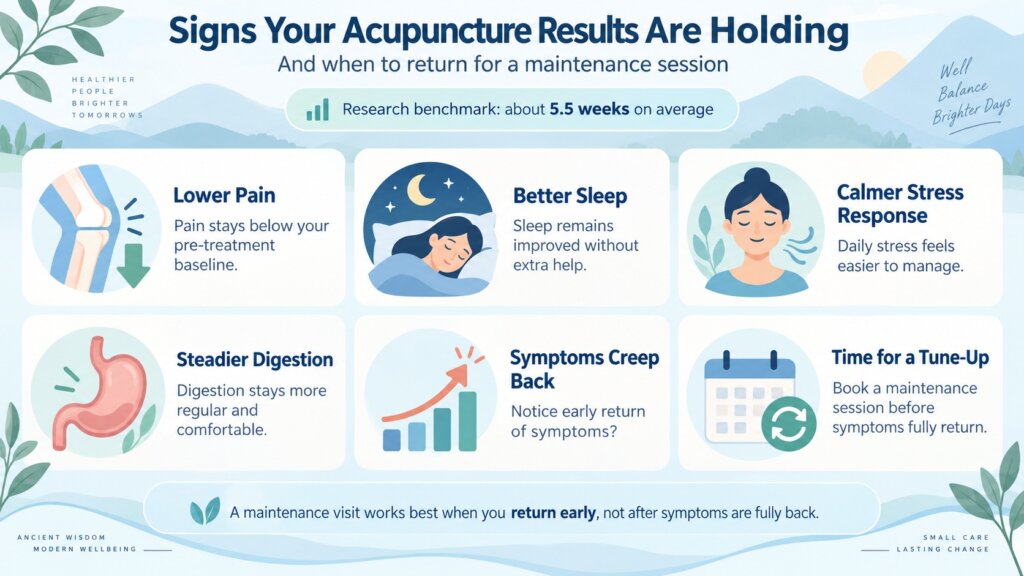
After a course of treatment, most patients notice that their symptoms stay manageable for several weeks. The 5.5-week average from research is a useful benchmark, but many patients report relief lasting much longer, especially when they have completed a full initial phase of care rather than stopping after one or two sessions.
Watch for these signs that your results are holding:
- Pain levels remain lower than before treatment started, even on harder days.
- Sleep quality stays improved without the need for other interventions.
- Stress responses feel more manageable in daily situations.
- Digestive patterns remain more regular and comfortable.
- You notice your symptoms starting to creep back gradually, which is your cue to schedule a maintenance session before they fully return.
That last point is important. Coming back for a tune-up session when you notice early signs of regression is far more effective than waiting until the pain or stress is back at full intensity. Most patients on a maintenance schedule find they need far fewer sessions over time to stay feeling well.
Wrapping Up What You Need to Know
Acupuncture effects can last weeks, months, or even longer when care is structured thoughtfully and tailored to your specific needs. The research supports it, and the clinical experience at our practice reflects it. If you are ready to find out how long acupuncture can work for you, schedule a consultation with David W. Armstrong, L.Ac., at Acupuncture Colorado Springs, located at 2525 W Pikes Peak Ave, Suite B, Colorado Springs, CO 80904. Your path to lasting relief starts with one honest conversation about where you are and where you want to be.
Acupuncture Colorado Springs offers personalized, root-cause-focused acupuncture care designed to deliver lasting results. Board-certified practitioner David W. Armstrong builds treatment plans tailored to your body. Get started today—call our Colorado Springs clinic and feel the difference.
FAQs
How Long Do Acupuncture Results Last?
It varies by person and condition, but many people feel benefits for several days to a week after a session, with longer-lasting results building over a series of treatments. At Acupuncture Colorado Springs, we tailor care to your goals and underlying patterns so improvements tend to hold longer over time.
How Long Does It Take for Acupuncture to Wear Off?
Some effects—like relaxation or reduced pain—may feel immediate and gradually fade over a few days, while deeper changes can continue to unfold for 24–72 hours after treatment. If symptoms return quickly, it often means your body needs more support or a different treatment cadence.
How Many Acupuncture Sessions Are Needed for Lasting Results?
Many acute issues improve within 3–6 sessions, while chronic or complex concerns often take 8–12+ sessions for more lasting change. We start with a focused plan and adjust based on how your body responds, using a root-cause approach rather than a one-size-fits-all protocol.
How Often Should You Get Acupuncture to Maintain Results?
After initial improvement, many people maintain results with sessions every 2–4 weeks, though some prefer weekly care during high-stress periods or active flare-ups. We’ll help you find the least-frequent schedule that still keeps you feeling stable and well.
Can Acupuncture Provide Permanent Relief?
It can provide long-term or even lasting relief for some conditions—especially when the underlying drivers are addressed and supportive lifestyle or herbal recommendations are followed. That said, not every issue is “permanent,” but our goal is always durable improvement, fewer flare-ups, and better overall function.