You just finished an acupuncture session and noticed a small bump or puffy area near one of the needle sites. It is easy to feel unsure about whether that is normal or something worth calling your practitioner about. The good news is that most post-treatment swelling is minor, short-lived, and a recognized part of the body’s natural response to needle stimulation.
This article walks you through the difference between normal acupuncture swelling and signs that deserve attention. You will also find practical guidance on what to do after a session, when to seek care, and how working with a qualified, licensed practitioner reduces your risk from the start.
Key Takeaways
- Minor swelling at needle sites is a documented and common response to acupuncture treatment.
- Swelling that spreads, worsens after 48 hours, or comes with fever may signal a complication.
- Improper technique is a leading cause of persistent swelling or hematoma after acupuncture.
- Acupuncture dampness patterns in Traditional Chinese Medicine may influence how the body responds to needling.
- Licensed, board-certified practitioners use sterile, single-use needles to significantly reduce adverse event risk.
- Knowing what to expect after your session helps you respond quickly and confidently if something feels off.
What Acupuncture Swelling Actually Looks Like After a Session
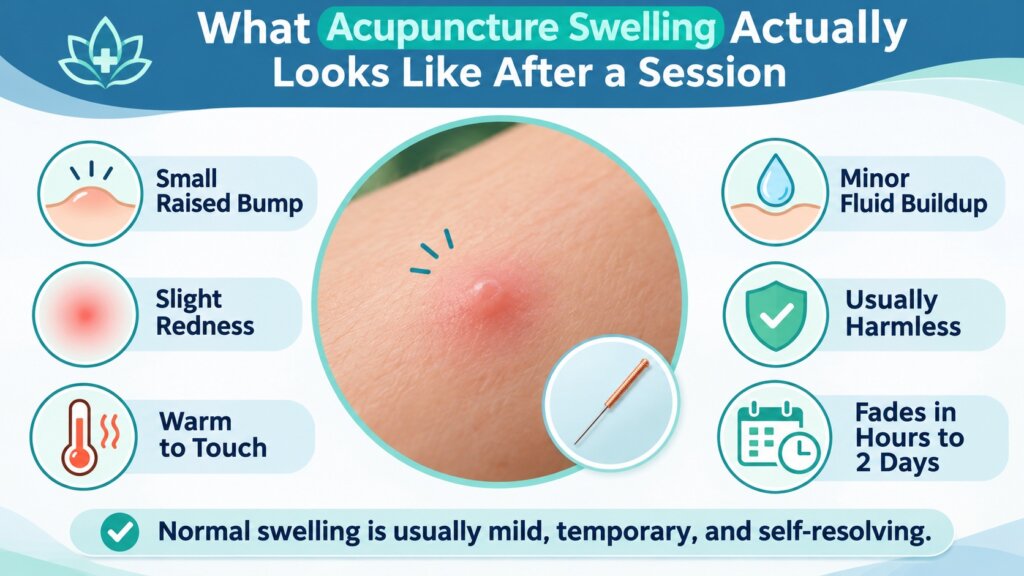
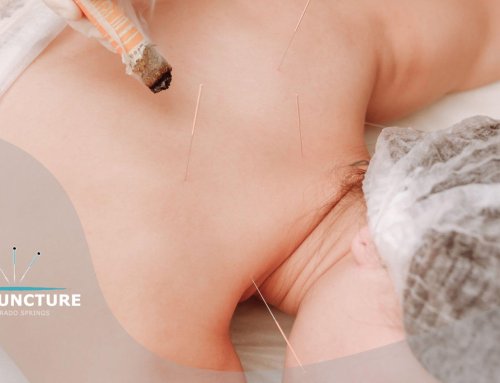
When a fine needle enters the skin, the surrounding tissue responds. Blood flow increases to the area, local immune activity picks up, and small amounts of fluid may accumulate just beneath the surface. This is the body doing exactly what it is designed to do when it perceives a stimulus, and it is generally harmless.
Research published across multiple systematic reviews confirms this. According to a Cochrane Library review of acupuncture for neck pain, local swelling, bruising, dizziness, and temporary increases in pain are among the most commonly reported minor adverse effects, and serious events were not reported in those reviewed trials. A separate systematic review found that at least one adverse event occurred in approximately 9.31% of patients receiving an acupuncture series, with events occurring in about 7.57% of individual treatments overall.
That context matters. These numbers reflect minor, self-resolving reactions, not emergencies.
Normal acupuncture swelling typically looks like a small raised area, similar to a mosquito bite. It may be slightly red or warm to the touch. It usually fades within a few hours to two days.
Normal vs. Concerning Acupuncture Swelling: A Side-by-Side Look
Understanding the difference between expected and unexpected swelling helps you make calm, informed decisions after treatment. The table below outlines the key distinctions so you know what to watch for.
| Feature | Normal Swelling | Concerning Swelling |
|---|---|---|
| Size | Small, localized at needle site | Spreading beyond the needle site |
| Duration | Resolves within 24–48 hours | Worsens or persists beyond 48 hours |
| Color | Mild redness or skin tone | Deep red, purple, or streaking |
| Temperature | Slightly warm | Hot, inflamed, or tender to pressure |
| Associated symptoms | None or mild tenderness | Fever, discharge, increasing pain |
| Likely cause | Normal tissue response | Possible infection or hematoma |
If what you are seeing falls into the right column, do not wait it out. Contact your practitioner or seek medical evaluation.
Six Reasons Acupuncture Swelling Happens and What Each One Means
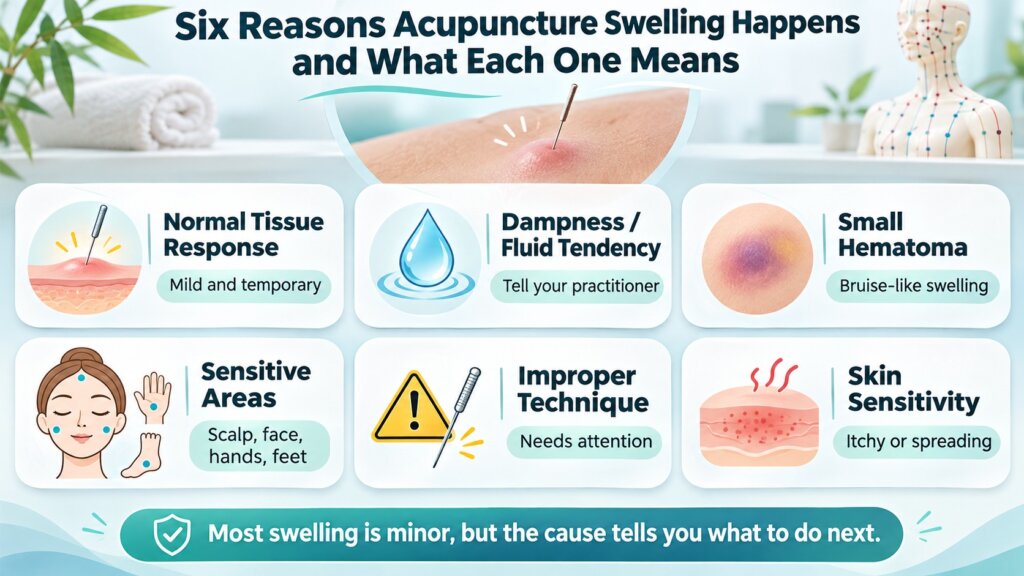
Swelling after acupuncture does not have a single cause. The reason behind it shapes how serious it is and what you should do next. Here are the most common explanations, from the completely benign to the ones that need follow-up.
1. Normal Tissue Microtrauma and Acupuncture Swelling
Every needle insertion creates a tiny, controlled injury. The body responds by sending blood and fluid to the area, which can produce a small swollen spot. This is the same basic process behind the therapeutic effect of acupuncture, and it resolves on its own without treatment.
2. Acupuncture Dampness Patterns and Fluid Accumulation
In Traditional Chinese Medicine, a concept called acupuncture dampness describes a constitutional tendency for the body to retain excess fluid or sluggish energy. Patients with a dampness pattern may notice slightly more pronounced swelling after needling, particularly around points on the legs or abdomen. This is not dangerous, but it is useful information for your practitioner to know so they can adjust your treatment plan accordingly.
3. Hematoma Formation After Acupuncture Swelling
A hematoma forms when a needle nicks a small blood vessel and blood pools under the skin. An evidence mapping study of 535 systematic reviews identified minor swelling and hematoma as documented adverse reactions to acupuncture, with improper technique linked to more persistent cases. A small hematoma usually looks like a bruise and resolves within one to two weeks.
4. Sensitive Needle Sites Like the Acupuncture Scalp Region
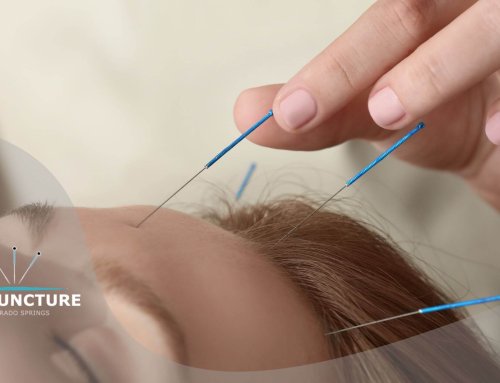
Some areas of the body are more reactive than others. The acupuncture scalp, for example, has a dense network of blood vessels close to the surface, which makes it more prone to localized swelling or bruising after needling. Points on the face, hands, and feet can behave similarly. Swelling in these areas is usually minor but may be more visible due to thinner skin.
5. Improper Technique as a Driver of Acupuncture Swelling
The NCCIH notes that improper acupuncture treatment can cause serious complications. When needles are inserted at incorrect angles, left in too long, or placed in areas without adequate anatomical knowledge, the risk of persistent swelling, nerve irritation, or hematoma increases. This is one of the clearest reasons why practitioner credentials matter so much.
6. Allergic or Skin Sensitivity Reactions Near Needle Sites
In rare cases, swelling may reflect a localized skin sensitivity rather than a tissue response to the needle itself. This can happen with certain needle coatings or if a topical substance was applied near the treatment area. The swelling in these cases tends to be itchy rather than just puffy, and it may spread slightly beyond the needle site.
When Acupuncture Swelling Becomes a Red Flag
Most swelling after acupuncture is nothing to lose sleep over. But there are specific signs that warrant prompt attention, and knowing them in advance means you are never caught guessing.
Reach out to your practitioner or a medical provider if you notice any of the following after a session.
- Swelling that expands beyond the needle site over 24 to 48 hours
- Skin that feels hot, tight, or increasingly painful to touch
- Red streaks radiating outward from the swollen area
- Fever or chills appearing within a day or two of treatment
- Discharge, unusual odor, or open skin at the needle site
- Swelling that does not begin to resolve after 72 hours
These signs may point to infection or a deeper tissue response that needs evaluation. They are uncommon when treatment is performed by a licensed practitioner using sterile technique, but they are worth knowing.
How Acupuncture Colorado Springs Minimizes Your Risk of Post-Treatment Swelling
At Acupuncture Colorado Springs, every session is performed by David W. Armstrong, L.Ac., a nationally board-certified practitioner certified by the NCCAOM in both acupuncture and Chinese herbal medicine. We follow Clean Needle Technique protocols and use only FDA-approved, single-use sterile needles, which are discarded immediately after each treatment. These practices are not optional extras at our clinic. They are the baseline standard for every patient, every session.
Before any needles are placed, David conducts a thorough intake evaluation to understand your constitution, health history, and any factors that might influence how your body responds to treatment. If you tend toward an acupuncture dampness pattern, have sensitive skin, or take blood thinners that increase bruising risk, that information shapes how your treatment is delivered. No two sessions are identical because no two patients are the same.
If you are curious about what a first visit looks like, or you want to ask about a reaction you experienced after treatment elsewhere, you are welcome to reach out to our clinic at 2525 W Pikes Peak Ave, Suite B, Colorado Springs, CO 80904. We are also happy to discuss whether acupuncture for shingles, scalp conditions, or other specific concerns might be appropriate for your situation.
What to Do at Home If You Notice Acupuncture Swelling
If you leave a session and notice mild swelling at one or more needle sites, there are simple steps you can take to support your body’s natural recovery. These are not complicated, and most people find that swelling resolves quickly with minimal effort.
Step 1: Apply a Cold Compress to the Swollen Area
A clean cloth wrapped around an ice pack and held against the swollen site for 10 to 15 minutes can reduce local inflammation. Do not apply ice directly to the skin, and avoid heat in the first 24 hours, as it may increase blood flow to an already reactive area.
Step 2: Avoid Vigorous Activity for the Rest of the Day
Intense exercise increases circulation and can worsen localized swelling after acupuncture. Give your body a few hours to settle, especially after treatments that involved many needle sites or sensitive regions like the acupuncture scalp or face.
Step 3: Stay Hydrated With Plain Water
Hydration supports lymphatic drainage and helps the body clear the minor fluid accumulation that causes post-treatment swelling. Colorado Springs sits at high altitude, and the dry climate here means most people are mildly dehydrated more often than they realize. Drinking water after your session is a simple and effective step.
Step 4: Avoid Alcohol and Spicy Foods That Day
Both alcohol and spicy foods dilate blood vessels and can amplify the body’s inflammatory response. Keeping your diet mild on treatment days helps your system process the session without added reactivity.
Step 5: Monitor the Swelling Over 48 Hours
Check the site the morning after your session and again the following day. Normal swelling shrinks steadily. If it is growing, changing color significantly, or becoming more painful, that is your signal to contact your practitioner rather than wait.
The Role of Chinese Herbal Medicine in Supporting Recovery After Acupuncture Swelling
You might be wondering whether there is anything beyond ice and rest that can support your body after a reactive session. At our clinic, we offer custom Chinese herbal medicine formulas that are tailored to your individual diagnosis, not pulled from a generic shelf. For patients who experience recurring bruising or fluid retention after treatment, certain herbal combinations may support circulation, reduce dampness, and strengthen the skin’s resilience over time.
This is especially relevant for patients dealing with conditions like acupuncture for shingles, where the skin is already sensitized, or for those managing inflammation-related conditions where the body’s response to needling tends to be more pronounced. Herbal support is always discussed during your intake evaluation and is never applied as a one-size-fits-all recommendation. If you are interested in exploring this option, ask about our herbal medicine services when you book your next session.
Acupuncture Swelling in Special Treatment Contexts
Swelling responses can vary depending on what condition is being treated and which points are used. Understanding a few of these specific contexts can help you set realistic expectations before your session.
Patients receiving hot flashes acupuncture points treatment, often used for menopausal support, may notice more reactivity around points on the chest, upper back, or inner wrists. These areas have thinner skin and a denser nerve supply, which can produce a more visible local response. The NCCIH notes that acupuncture may reduce menopausal hot-flash frequency compared to no treatment, though results vary by individual.
Patients using acupressure points for acne or facial acupuncture may see temporary puffiness near the cheeks or forehead, which typically fades within a few hours. This is a normal part of the micro-circulation response and is not cause for concern unless it worsens or is accompanied by other symptoms.
For those receiving acupuncture for shingles, the skin is already inflamed and reactive before treatment begins. In these cases, David takes extra care to work around active lesions and monitor the skin’s response throughout the session. Post-treatment swelling in shingles patients is managed with gentle technique and, when appropriate, herbal topical support.
Final Thoughts on Managing Acupuncture Swelling With Confidence
Mild swelling after acupuncture is a well-documented, normal response that resolves quickly in most cases. Knowing the difference between expected tissue reactions and signs of a real complication puts you in control of your recovery. Choosing a licensed, board-certified practitioner who follows sterile protocols is the single most effective way to reduce your risk before treatment even begins. At Acupuncture Colorado Springs, we are here to answer your questions, address your concerns, and make sure every session supports your long-term health rather than adding to your worry. Book a consultation with David W. Armstrong, L.Ac., and experience care that is thoughtful, personalized, and grounded in both tradition and evidence.
Acupuncture Colorado Springs offers expert, personalized care guided by board-certified practitioner David W. Armstrong. Trust our herbal medicine expertise to support safe, effective recovery after every session. Get started today by calling our Colorado Springs clinic.
FAQs
Is Swelling Normal After Acupuncture?
Yes—mild, localized swelling can happen and is usually normal, especially if a point was sensitive or the area has tight tissue. It should be small, not rapidly spreading, and typically improves quickly.
How Long Does Swelling Last After Acupuncture?
Most mild swelling resolves within a few hours to 24–48 hours. If it’s still noticeable after 2–3 days or is worsening, it’s a good idea to check in with your acupuncturist.
What Causes Swelling After Acupuncture?
Common causes include a normal local inflammatory response, minor tissue irritation, temporary fluid shifts, or a small bruise from a tiny capillary being nicked. In a properly licensed clinic using sterile, single-use needles, significant swelling is uncommon.
When Should I Worry About Swelling After Acupuncture?
Be concerned if swelling is rapidly increasing, very painful, hot or red with spreading warmth, draining pus, accompanied by fever, significant numbness/weakness, shortness of breath, facial/lip swelling, or if you have signs of an allergic reaction. If any of these occur, seek urgent medical care and notify your provider.
How Do You Reduce Swelling After Acupuncture?
Use a cold pack for 10–15 minutes at a time during the first day, avoid heavy exercise on the area, stay hydrated, and keep the site clean. If bruising develops, gentle heat after 24 hours may help. If swelling persists or concerns you, contact your acupuncturist for individualized guidance.