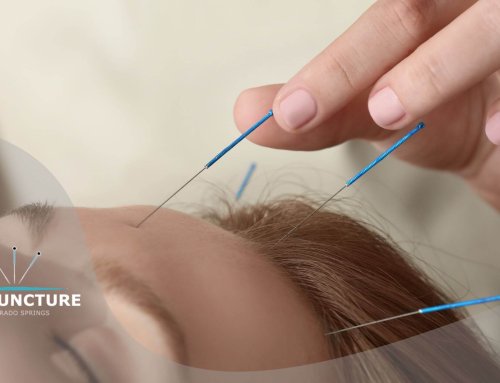
When emotional pain becomes too heavy to carry alone, most people think of one option: talk therapy. It makes sense. Sitting with a trained therapist, unpacking thoughts, and building coping strategies has decades of research behind it. But more people in Colorado Springs are starting to ask a different question. What if healing the mind also means working through the body? Acupuncture for emotional healing is gaining attention not as a replacement for mental health care, but as a meaningful complement to it.
This article breaks down how acupuncture and talk therapy work, where they overlap, where they differ, and what the current research says. You will also learn how combining both approaches may support deeper, more lasting emotional wellness, especially if you have felt stuck or only partially helped by one path alone.
Key Takeaways
- Acupuncture for emotional healing works through the body, while talk therapy works primarily through the mind and language.
- A 2025 meta-analysis found acupuncture significantly improved anxiety symptoms across 1,240 patients in 12 randomized controlled trials.
- Acupuncture should complement, not replace, professional mental health care for conditions like depression or anxiety disorders.
- Talk therapy builds long-term cognitive tools; acupuncture may offer faster physical relief from stress-related symptoms.
- Combining both modalities is increasingly supported by integrative medicine research and clinical practice.
- Personalized care matters, and what works for one person’s emotional health may look very different for another.
Before comparing these two approaches side by side, it helps to understand what each one is actually doing inside your body and mind. They are not competing methods. They address emotional distress through different entry points, and that distinction matters.
What Acupuncture for Emotional Healing Actually Does
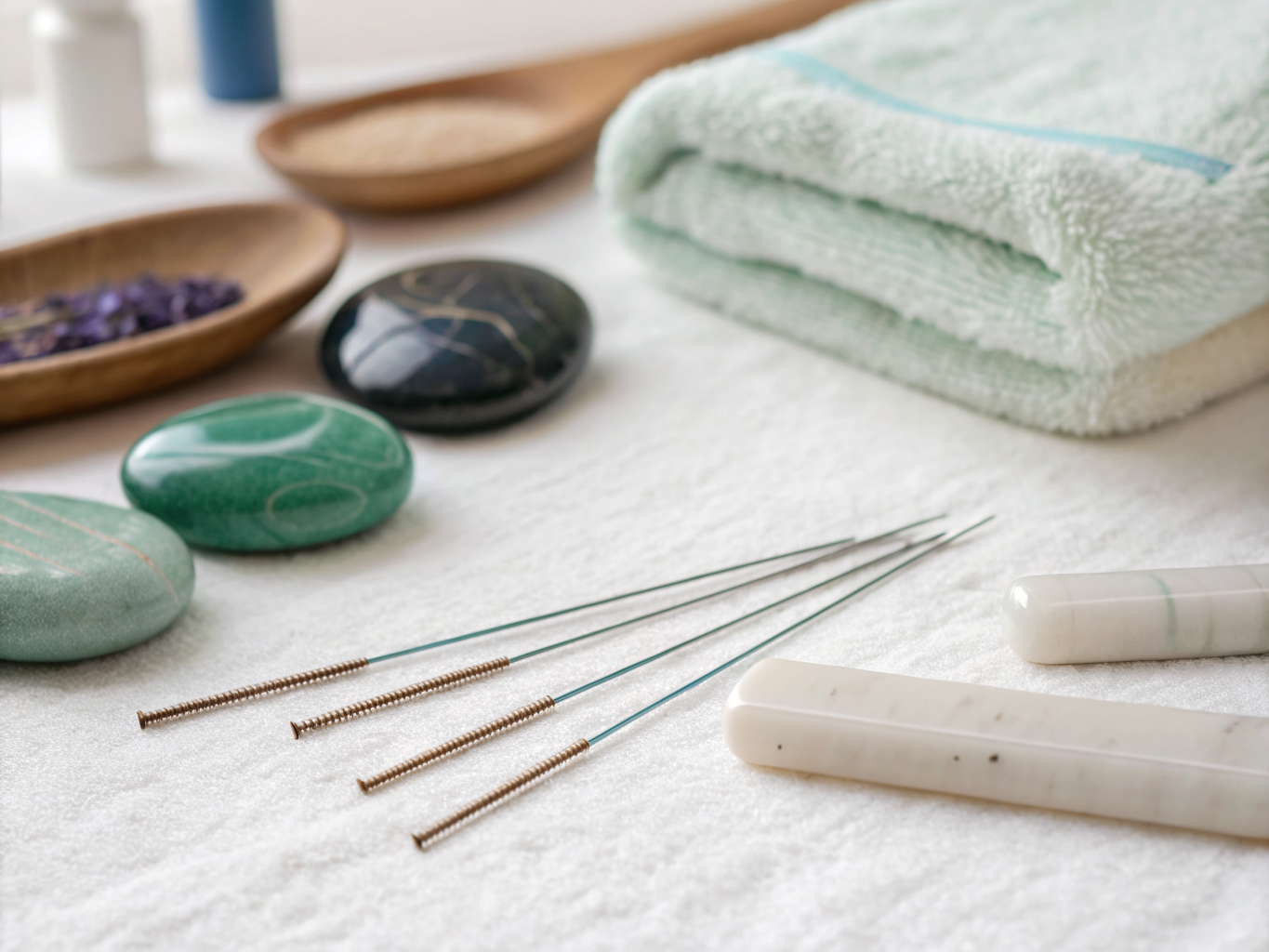
Acupuncture is a practice rooted in Traditional Chinese Medicine, or TCM, that involves placing thin, sterile needles at specific points on the body to influence the flow of energy, called Qi, through pathways known as meridians. In modern clinical terms, research suggests acupuncture stimulates the nervous system, regulates stress hormones like cortisol, and may influence neurotransmitter activity including serotonin and dopamine. These are the same chemical systems that antidepressants and anxiolytics target, which is part of why acupuncture for emotional healing is drawing serious scientific interest.
The body holds stress in ways the mind does not always recognize. Tight shoulders, a clenched jaw, a racing heart before sleep. These are not just physical symptoms. They are the body expressing emotional overload. Acupuncture works directly at that intersection.
A 2025 meta-analysis published in Psychiatry Investigation, which reviewed 12 randomized controlled trials involving 1,240 patients, found that acupuncture significantly improved anxiety symptoms with adverse events comparable to control groups. The researchers noted it as a possible complementary option, not a standalone treatment. That framing is important and honest.
How Talk Therapy Approaches Emotional Wellness
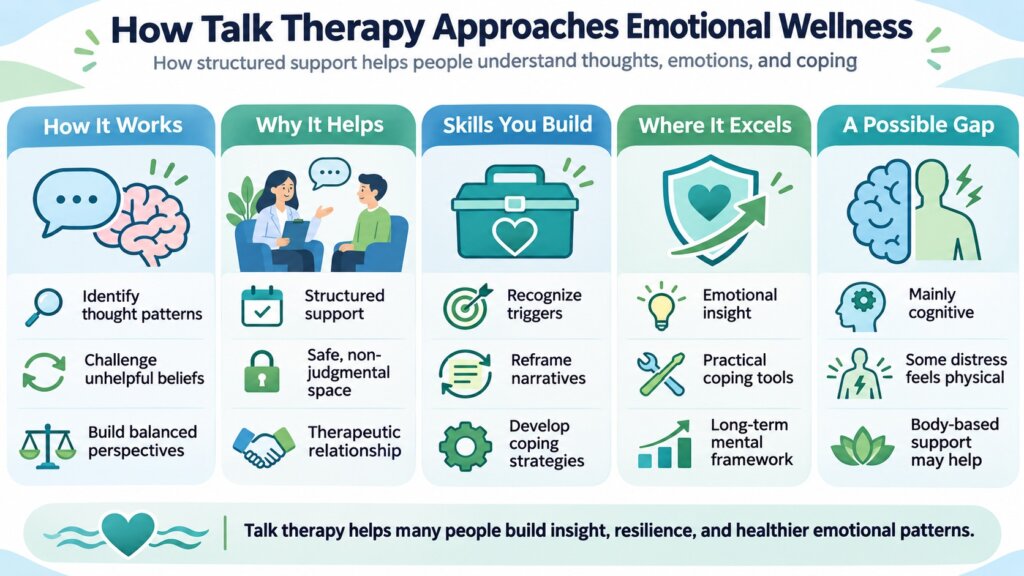
Talk therapy, particularly cognitive behavioral therapy (CBT), works by helping you identify thought patterns that drive emotional distress and replace them with more balanced perspectives. It is skill-based, structured, and backed by decades of clinical evidence for conditions ranging from generalized anxiety to post-traumatic stress disorder. The relationship between therapist and patient is itself considered therapeutic, offering a space of consistent, non-judgmental support.
Where talk therapy excels is in building durable mental frameworks. You learn to recognize triggers, reframe narratives, and develop coping strategies you can carry forward independently. That is a genuine strength.
The limitation some people experience is that talk therapy is primarily cognitive. It works through language and conscious reflection. For people whose emotional distress lives more in the body, in physical tension, chronic fatigue, disrupted sleep, or a nervous system that never fully settles, verbal processing alone can feel incomplete. This is not a flaw in therapy. It is simply a gap that body-based approaches like acupuncture may help fill.
Acupuncture vs. Talk Therapy: A Side-by-Side Comparison
Understanding how these two approaches differ in practice can help you decide how they might fit into your own care. Neither is universally better. They serve different functions and different people in different seasons of life.
| Category | Acupuncture | Talk Therapy |
|---|---|---|
| Primary mechanism | Nervous system regulation, Qi flow, physiological stress response | Cognitive restructuring, emotional processing through language |
| Entry point | Body first | Mind first |
| Session experience | Quiet, restful, physical relaxation during treatment | Active conversation, reflection, and skill-building |
| Evidence base | Growing; strong for anxiety, moderate for depression as adjunct | Extensive; gold standard for many mental health conditions |
| Typical session length | 45 to 60 minutes | 50 to 60 minutes |
| Best for | Stress, anxiety, somatic symptoms, sleep disruption, burnout | Trauma processing, behavioral change, long-term emotional skill-building |
| Used as | Complementary or adjunctive care | Primary mental health treatment |
This comparison is not meant to rank one above the other. It is meant to show that the two approaches are largely non-overlapping, which is exactly why they work well together.
What the Research Says About Acupuncture for Emotional Healing and Depression
A systematic review published on PubMed, which analyzed 76 randomized controlled trials involving 5,864 participants, found that acupuncture may provide short-term additional benefit alongside SSRIs for depression. The evidence certainty ranged from very low to moderate depending on the outcome measured. Researchers were clear that acupuncture should not replace standard treatment for depression, but the data does suggest it may enhance outcomes when used alongside it.
You might be wondering whether that level of evidence is enough to take seriously. The honest answer is yes, with appropriate expectations. Acupuncture is not a cure for clinical depression. But for someone already working with a therapist or psychiatrist, adding acupuncture to their care plan may reduce the severity of physical symptoms like fatigue, sleep disruption, and tension that often accompany mood disorders.
At Acupuncture Colorado Springs, David W. Armstrong, L.Ac., works with patients who are already engaged in mental health care and want additional support for the physical toll that emotional distress takes on the body. Every care plan begins with a detailed conversation about your health history, current treatments, and goals, because the right approach depends entirely on your situation.
Six Ways Acupuncture for Emotional Healing Supports Mental Wellness
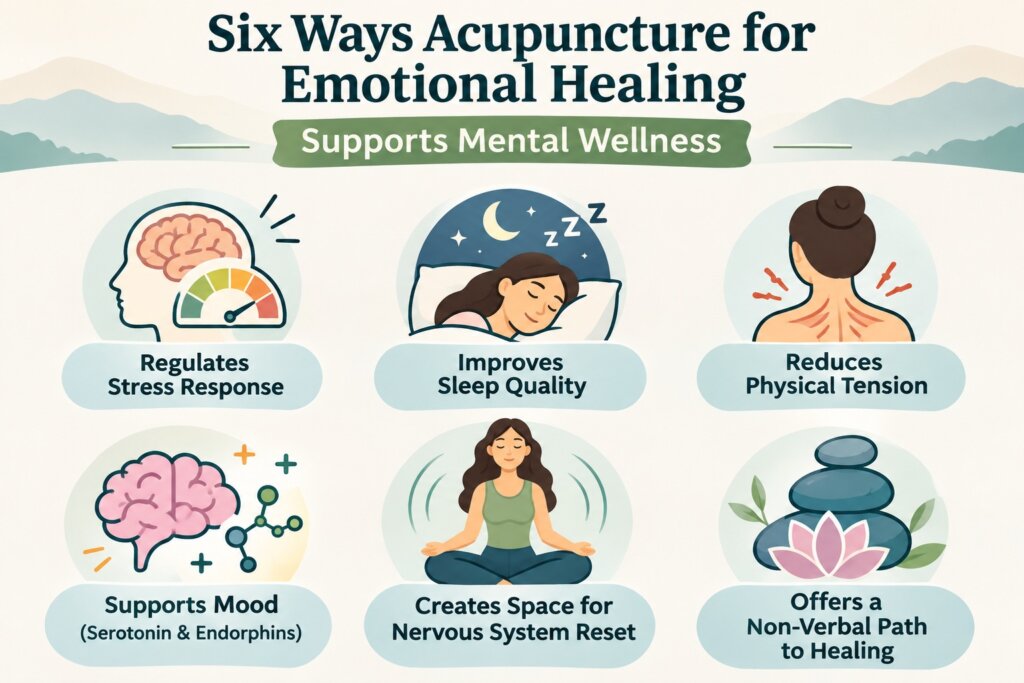
Acupuncture does not work the same way for every person or every emotional concern. That said, several consistent mechanisms and outcomes appear across the research and in clinical practice.
1. Regulating the Stress Response
Acupuncture has been shown to influence the hypothalamic-pituitary-adrenal (HPA) axis, which governs your body’s stress hormone output. For people living with chronic stress, whether from demanding jobs, family pressure, or the pace of life in Colorado Springs, this regulation can offer real, measurable relief.
2. Improving Sleep Quality
Emotional distress and poor sleep feed each other in a difficult cycle. Acupuncture may help interrupt that cycle by calming the nervous system and supporting more consistent, restorative sleep, which in turn supports emotional resilience.
3. Reducing Physical Tension Tied to Anxiety
Anxiety does not stay in the mind. It lives in the jaw, the neck, the chest, and the gut. Acupuncture addresses these physical expressions of emotional distress directly, offering relief that talk therapy alone may not reach.
4. Supporting Mood Through Neurotransmitter Activity
Some research suggests acupuncture may influence serotonin and endorphin release. While this area of study is still developing, the physiological plausibility is there, and many patients report a noticeable shift in mood following treatment.
5. Creating Space for Nervous System Reset
A 45 to 60-minute acupuncture session is, for many people, one of the few times in their week when they are genuinely still. That stillness itself has value. The parasympathetic state you enter during treatment, sometimes called rest-and-digest mode, is the opposite of the chronic fight-or-flight many people live in daily.
6. Offering a Non-Verbal Path to Healing
Not everyone is ready or able to process emotional pain through words. Acupuncture offers a body-centered path that does not require you to articulate what you are feeling. For some people, that is exactly what they need at a particular stage of healing.
Where Healing Frequencies and Sound Therapy Fit In
You may have come across claims about healing frequencies, such as 639 Hz or 852 Hz tones, being promoted as tools for emotional healing or stress relief. It is worth addressing this honestly. According to Cedars-Sinai, healing-frequency claims have little scientific support. Music and sound can be genuinely useful as relaxation aids, and research published in PMC does suggest music-based interventions may influence stress and mood. But the idea that specific frequencies carry measurable therapeutic power for emotional or medical conditions is not well-supported by current evidence.
This matters because acupuncture for emotional healing is sometimes grouped alongside these claims, which can undermine its credibility. Acupuncture has a growing body of clinical research behind it. Healing frequency claims, at this point, do not. Knowing the difference helps you make informed decisions about your care.
Is Combining Acupuncture and Talk Therapy Right for You?
The question is not really acupuncture or therapy. For most people dealing with anxiety, stress, burnout, or mood challenges, the better question is how these two approaches might work together to address what you are experiencing from multiple angles.
Talk therapy helps you understand and reframe what is happening in your mind. Acupuncture helps your body release the physical weight of emotional distress. When both are working, patients often report feeling more grounded, more able to engage with therapy, and more consistent in their progress.
If you are in Colorado Springs and exploring this kind of integrative approach, our clinic offers a calm, welcoming space where David W. Armstrong, L.Ac., takes time to understand your full picture before recommending any treatment. We work alongside, not against, your existing mental health care. Our services include acupuncture, Chinese herbal medicine guidance and cupping therapy, all tailored to what your body and nervous system actually need right now. You can learn more about our approach at our services page or reach out to schedule a consultation.
What to Expect if You Try Acupuncture for Emotional Support
Your first visit at Acupuncture Colorado Springs begins with a thorough intake conversation. David will ask about your emotional health, physical symptoms, sleep, digestion, energy levels, and lifestyle. In TCM, these are all connected, and understanding the full pattern is what allows for genuinely personalized treatment.
Needles used are sterile, single-use, and extremely fine. Most patients feel little to no discomfort. Many describe a sense of heaviness or warmth at needle sites, followed by deep relaxation. Sessions typically last 45 to 60 minutes, and most patients need a series of treatments to see lasting results, not a single session.
Emotional healing is rarely linear. Some weeks you will feel a clear shift. Others may feel quieter. That is normal, and it is part of why ongoing communication with your practitioner matters. We adjust your plan as you progress, because your needs change over time.
Final Thoughts on Acupuncture for Emotional Healing
Acupuncture for emotional healing is not a replacement for talk therapy, and it does not need to be. Both approaches offer real value, and the evidence increasingly supports using them together for people dealing with anxiety, depression, stress, and burnout. If you are in Colorado Springs and ready to explore what a body-centered, root-cause approach might add to your emotional wellness, we invite you to reach out to Acupuncture Colorado Springs and schedule a consultation with David W. Armstrong, L.Ac., at 2525 W Pikes Peak Ave, Suite B. Healing does not have to happen through words alone.
Acupuncture Colorado Springs offers personalized, root-cause-focused acupuncture to ease stress and restore emotional balance. David W. Armstrong, L.Ac. designs every care plan around your unique needs. Get started today and take your first step toward lasting emotional wellness.
FAQs
Can Acupuncture Help With Emotional Trauma?
Acupuncture may help support emotional recovery from trauma by calming the nervous system, improving sleep, reducing hyperarousal, and easing physical symptoms that often accompany trauma (like tension, headaches, or digestive upset). It’s not a replacement for trauma-focused mental health care, but many people find it a helpful complement to talk therapy by making the body feel safer and more regulated. At Acupuncture Colorado Springs, we tailor treatments to your history, triggers, and stress patterns—at a pace that feels comfortable.
How Does Acupuncture Release Emotional Blockages?
In Traditional Chinese Medicine, “emotional blockages” often show up as patterns of stuck or imbalanced energy and circulation that affect mood and the body (tight chest, throat tension, irritability, fatigue). Acupuncture aims to restore smoother flow, relax protective muscle holding, and shift the body out of fight-or-flight into a rest-and-repair state. Clinically, people often notice a sense of release during or after treatment—such as deeper breathing, less tension, or feeling more emotionally “unstuck.”
What Emotions Can Acupuncture Help With (Anxiety, Depression, Stress)?
Acupuncture is commonly used to support anxiety, chronic stress, irritability, overwhelm, low mood, and burnout—especially when these are tied to sleep disruption, pain, hormonal shifts, or digestive issues. While it isn’t a stand-alone cure for depression or anxiety disorders, it can be an effective part of a broader plan by improving regulation, resilience, and body-based symptoms. We focus on your unique pattern rather than a one-size-fits-all protocol.
How Many Acupuncture Sessions Are Needed for Emotional Healing?
It depends on how long symptoms have been present, how intense they are, and what else is contributing (sleep, pain, hormones, workload, trauma history). Some people feel calmer after 1–3 sessions, but lasting change typically takes a short series—often weekly treatments for several weeks—then tapering as stability improves. We’ll discuss clear goals and reassess progress regularly so your plan stays realistic and personalized.
What Should I Expect During an Acupuncture Session for Emotional Healing?
Your visit starts with a conversation about stress, mood, sleep, energy, digestion, and your health history so we can choose points that match your needs. You’ll rest comfortably while sterile, single-use needles are placed gently; many patients feel relaxed, heavy, or quietly alert during the session. Depending on your case, we may also incorporate cupping or Chinese herbal medicine guidance to support regulation and recovery.