Acupuncture works by stimulating specific points on your body to restore balance and promote natural healing. The treatment itself is just one part of the process. What you do in the hours and days after your session can either support or undermine those benefits. Many patients unknowingly make simple mistakes that interfere with their body's ability to integrate the treatment and heal properly.
This guide walks you through nine common aftercare mistakes to avoid following acupuncture. You will learn why certain activities and habits can disrupt your progress, what to do instead, what to eat, how to handle normal side effects, how to track your progress, and when to book your next appointment.
Key Takeaways
- Intense exercise immediately after acupuncture can redirect energy away from healing and cause fatigue or soreness.
- Hot baths and cold exposure within hours of treatment may counteract the therapeutic effects of acupuncture.
- Alcohol and heavy meals strain your system when your body needs rest and hydration to process the session.
- Ignoring hydration after acupuncture limits your body’s ability to flush toxins and support recovery.
- Returning to high-stress situations too quickly can undo the calming, balancing effects of your treatment.
Why Aftercare Matters Following Acupuncture Treatment

Acupuncture stimulates your nervous system, circulation, and energy pathways in ways that continue working long after the needles are removed. Your body continues to process the treatment for hours or sometimes days afterward. During this window, your system is more sensitive to external factors such as temperature changes, physical activity, and dietary choices.
Proper aftercare supports this healing process. Poor aftercare can interrupt it or even reverse some of the progress made during your session. Think of it like planting a seed. The acupuncture session plants it, but the soil, water, and sunlight you provide afterward determine whether it takes root and grows.
At our clinic, we tailor aftercare guidance to each patient based on their treatment goals, health history, and lifestyle. We want you to leave each session with clear, practical steps that fit your routine and protect your investment in your health.
What Not to Do After Acupuncture: Common Mistakes That Interfere With Healing
Most aftercare mistakes occur because patients do not realize how active their bodies are after treatment. Here are the nine most common missteps we see and how to avoid them.
1. Jumping Into Intense Exercise Right After Your Session
Strenuous workouts, heavy lifting, or high-intensity interval training immediately following acupuncture can redirect blood flow and energy away from the areas your practitioner just treated. Your body needs time to integrate the session and rebalance itself. Pushing too hard too soon can leave you feeling more tired or sore than usual.
Light movement, like walking or gentle stretching, is fine. Save the CrossFit class or long trail run for the next day. If you are training for an event or have a physically demanding job, talk with your acupuncturist about timing your sessions around your schedule.
2. Taking a Hot Bath or Jumping Into a Sauna
Hot baths, saunas, steam rooms, and hot tubs can feel relaxing, but they may counteract the effects of acupuncture if used too soon after treatment. Extreme heat opens your pores and changes your circulation in ways that can disperse the focused work your practitioner just did. This is especially true if your session targeted specific pain points or internal organ systems.
Wait at least four to six hours before soaking in a hot tub or sauna. A warm shower is usually fine, but avoid making it too hot or staying in for too long. If you are used to taking a hot bath as part of your wind-down routine, consider switching to a warm bath with Epsom salts instead.
3. Exposing Yourself to Cold or Drafty Environments
Cold exposure can constrict blood vessels and slow circulation, which works against the warming, moving effects of acupuncture. This is particularly important in Colorado Springs, where temperature swings between day and night can be dramatic, especially in spring and fall. Going from a warm treatment room into a cold parking lot without a jacket can shock your system.
Dress in layers and keep your neck, shoulders, and lower back covered after your session. If you are prone to feeling cold or have circulation issues, bring a scarf or light jacket even if the weather seems mild. Your body is more vulnerable to temperature changes in the hours following treatment.
4. Drinking Alcohol or Eating Heavy, Greasy Meals
Alcohol and rich foods require a lot of energy to process. After acupuncture, your body is already working hard to integrate the treatment and restore balance. Adding the burden of digesting a heavy meal or metabolizing alcohol can overwhelm your system and leave you feeling sluggish, bloated, or even nauseous.
Stick to light, nourishing meals like soups, steamed vegetables, lean proteins, and whole grains. Drink plenty of water to help your body flush out toxins and metabolic waste released during the session. Save the celebratory dinner or happy hour for another day.
5. Skipping Hydration After Your Appointment
Acupuncture can stimulate your lymphatic system and help your body release stored toxins. Drinking water supports this detox process and keeps your tissues hydrated, allowing them to heal more efficiently. Dehydration can cause headaches, fatigue, and muscle soreness, all of which may be mistaken for side effects of the treatment.
Aim to drink at least eight ounces of water within an hour of your session and continue sipping throughout the day. If you live or work at higher elevations around Colorado Springs, you may need even more. Herbal teas, such as ginger or chamomile, are also good choices.
6. Returning to High-Stress Situations Immediately
Acupuncture calms your nervous system and helps shift you out of fight-or-flight mode. Rushing back to a stressful meeting, a chaotic household, or a demanding work environment right after your session can undo those calming effects. Your body needs a little time to settle into the new state of balance before it can handle high demands again.
If possible, schedule your appointments at a time when you can take a few minutes to sit quietly afterward. Even ten minutes of deep breathing in your car or a short walk around the block can help you transition back into your day without losing the benefits of the treatment.
7. Ignoring How You Feel and Pushing Through Fatigue
Some people feel deeply relaxed or even sleepy after acupuncture. This is your body telling you it needs rest. Ignoring that signal and powering through your to-do list can interfere with healing and leave you feeling drained. Fatigue after acupuncture is not a bad sign. It means your body is doing the work it needs to do.
Listen to your body. If you feel tired, rest. If you feel energized, enjoy it, but do not overdo it. Pay attention to any changes in pain levels, mood, or energy over the next 24 to 48 hours. These shifts are valuable information for your practitioner and can help guide your next session.
8. Stopping Treatment Too Soon or Skipping Follow-Up Sessions
Acupuncture is cumulative. One session can provide relief, but lasting change usually requires a series of treatments. Stopping after one or two visits because you feel better can mean missing out on greater, more stable improvements. Many patients make the mistake of treating acupuncture like a one-time fix rather than a process.
We design treatment plans based on your specific condition, how long you have been dealing with it, and how your body responds. Sticking with the plan gives your body the best chance to heal at the root level, not just mask symptoms. If cost or scheduling is a concern, talk with us. We can often adjust the frequency or combine treatments to fit your needs.
9. Not Communicating With Your Acupuncturist About Side Effects or Concerns
Mild soreness, light bruising, or temporary fatigue are normal after acupuncture. But if you experience anything unusual, like dizziness, nausea, or increased pain that lasts more than a day or two, let your practitioner know. These reactions are rare but can provide important clues about how your body is responding and whether adjustments are needed.
We encourage open communication at our clinic. No question is too small. If something feels off or you are unsure whether a symptom is related to your treatment, reach out. We are here to support you through every step of the healing process.
The First 24 Hours After Acupuncture
What you do in the hours following a session can either support your body’s healing response or quietly work against it, so the first 24 hours deserve extra care. Start by resting before you drive or rush back into your day. The Cleveland Clinic specifically advises resting briefly before driving if you feel relaxed or lightheaded after acupuncture. Give yourself ten to fifteen minutes in the clinic before heading out, and if you feel unsteady, ask someone to drive you home.
What to Do Instead: Simple Steps to Support Your Healing
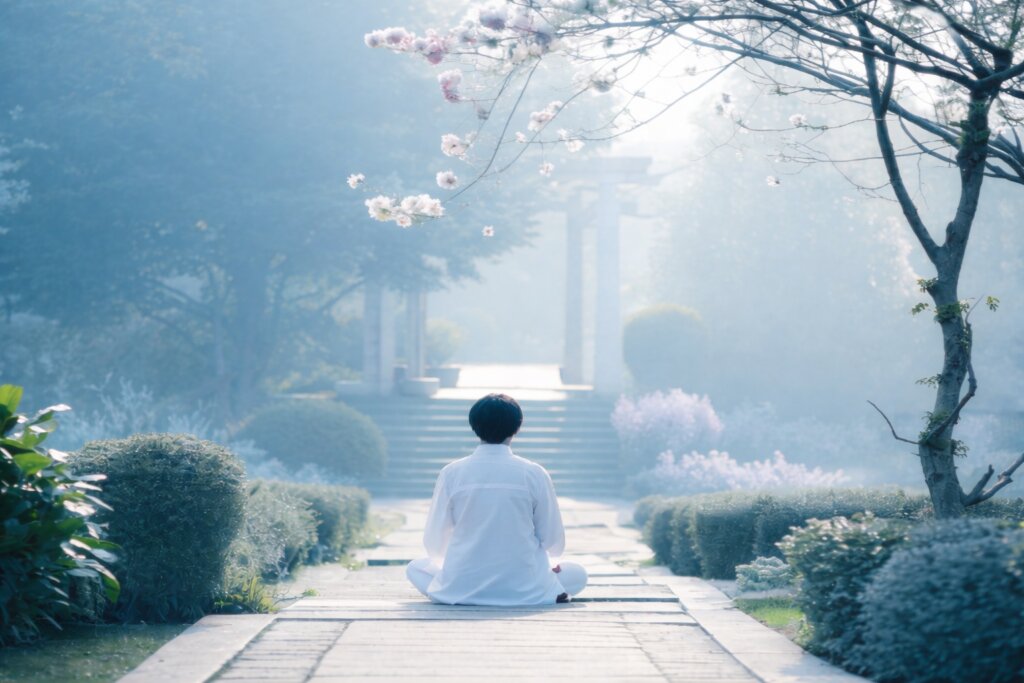
Now that you know what not to do after acupuncture, here is what you should do to protect your progress and feel your best.
- Rest when your body asks for it, and avoid overcommitting on treatment days.
- Drink plenty of water and choose light, warm foods that are easy to digest.
- Keep your body warm and avoid sudden temperature changes, especially in Colorado’s variable climate.
- Take a few minutes to check in with yourself and notice how you feel physically and emotionally.
- Follow any specific aftercare instructions your acupuncturist gives you based on your treatment goals.
These simple habits create the conditions your body needs to integrate the treatment and build on the progress made during each session.
What to Eat and What to Avoid After Acupuncture
| What to Eat After Acupuncture | What to Avoid After Acupuncture |
|---|---|
| Warm soups and broths | Alcohol and recreational substances |
| Steamed vegetables | Heavy, greasy, or fried foods |
| Rice, oats, or other easily digestible grains | Excess caffeine |
| Lean protein like chicken or fish | Cold or raw foods in large amounts |
| Plenty of water throughout the day | Sugary drinks or processed snacks |
How to Handle Normal Side Effects
Needle-site soreness usually fades within 24 hours. A brief cold compress followed by a warm one supports healing of a small bruise. Symptoms may feel slightly more pronounced for a day before they improve. Contact your acupuncturist or a medical provider if a flare persists beyond 48 hours, or if you experience severe or worsening pain, heavy bleeding at a needle site, or signs of infection.
A basic symptom journal also works well. Even brief notes after each session help your practitioner identify patterns and adjust your care plan over time.
How to Track Your Progress After Each Session
- Pain levels on a scale of one to ten before and after
- Sleep quality the night following treatment
- Energy levels throughout the next day
- Mood or anxiety levels
- Any new sensations, soreness, or changes in symptoms
When to Book Your Next Appointment
Acupuncture is not a one-and-done treatment for most conditions. For most new patients, we recommend starting with weekly sessions for the first four to six weeks. After that, the frequency often shifts to biweekly or monthly maintenance depending on how your body responds and what your health goals are.
How Acupuncture Colorado Springs Supports Your Healing Journey
At Acupuncture Colorado Springs, we believe aftercare is just as important as the treatment itself. That is why every session includes personalized guidance on what to do and what to avoid based on your unique health picture. We take the time to explain how acupuncture works in your body and what you can do at home to support that process.
Our clinic is designed to be a calm, grounded space where you can relax, reset, and reconnect with your body’s natural ability to heal. We use sterile, single-use needles and follow all Colorado state safety and hygiene regulations. We also offer complementary therapies such as cupping and guidance on Chinese herbal medicine to support your progress between sessions.
Whether you are dealing with chronic pain, stress, insomnia, or digestive issues, we work with you to create a treatment plan that fits your life and addresses the root causes of your symptoms. We serve patients throughout the Colorado Springs area, including Manitou Springs, Old Colorado City, and Woodland Park.
Conclusion
What you do after acupuncture matters just as much as the treatment itself. Avoiding these nine common mistakes helps your body integrate the session and protects the progress you are working toward. If you are ready for personalized, root-focused care that supports lasting relief and balance, schedule a consultation with Acupuncture Colorado Springs today.
Acupuncture Colorado Springs offers personalized aftercare guidance to maximize your treatment results. David W. Armstrong, L.Ac., a board-certified acupuncturist, ensures you know what to do and what to avoid after your session. Learn more today.
FAQs
What Should You Avoid After Acupuncture?
Avoid heavy workouts, alcohol, recreational drugs, and big, greasy meals for the rest of the day, and try not to rush back into a high-stress schedule. Also, avoid hot tubs/saunas and aggressive bodywork on the treated area for 12–24 hours. At Acupuncture Colorado Springs, we tailor aftercare to your specific treatment so you get the best results.
Can I Shower After Acupuncture?
Yes—most people can shower normally. If you feel lightheaded or very relaxed, wait a bit and use warm (not very hot) water. If you had cupping or a lot of needle stimulation, we may recommend avoiding very hot showers, baths, or saunas for 12–24 hours.
Can I Exercise After Acupuncture?
Light movement is usually fine, but skip intense training, heavy lifting, or long endurance sessions for 12–24 hours—especially after a pain-focused or deeply relaxing treatment. Gentle walking, stretching, or yoga is typically best unless we advise otherwise.
What Are the Side Effects After Acupuncture?
Common, short-lived effects include mild soreness, small bruising, temporary fatigue, feeling calm or sleepy, and sometimes a brief flare-up before improvement. Less commonly, people may feel lightheaded—rest, hydrate, and eat a small snack. If anything feels unusual or persistent, contact your practitioner.
How Long Should You Rest After Acupuncture?
Plan for at least 10–30 minutes of easy downtime after your session, and keep the rest of the day lighter if you can. Many patients do best with an early night and good hydration, especially during the first few treatments or when addressing stress and pain patterns.