Pregnancy brings profound changes to your body, your emotions, and your daily comfort. Many expectant mothers experience nausea, back pain, fatigue, anxiety, and a host of other symptoms that can make each trimester feel overwhelming. You might be wondering if acupuncture can help, and more importantly, what it actually feels like when you’re pregnant. The good news is that acupuncture is a gentle, safe, and effective way to support your body through pregnancy, and most people find the experience surprisingly calming.
This article walks you through the physical sensations of acupuncture during pregnancy, what happens during a session, and how the treatment relieves common prenatal discomforts. You’ll learn what to expect from needle insertion, how your body may respond, and why so many expectant mothers turn to acupuncture for natural relief and balance.
Key Takeaways
- Acupuncture during pregnancy typically feels like a light pinch or pressure, followed by deep relaxation.
- Most needles are painless once inserted, and many women fall asleep during treatment.
- The practice stimulates the nervous system to release endorphins and balance hormones naturally.
- licensed acupuncturists use sterile, single-use needles and modify points to ensure safety for mother and baby.
- Common pregnancy symptoms like nausea, back pain, and anxiety often respond well to acupuncture care.
What Does Acupuncture Feel Like During Pregnancy?

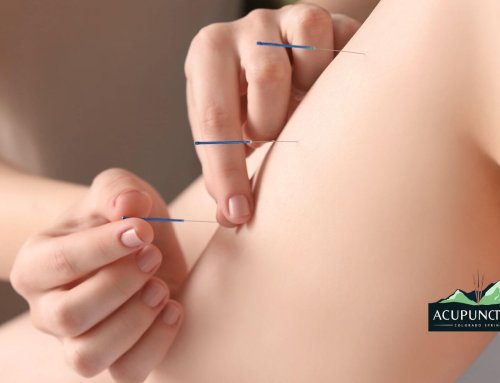
During pregnancy, it’s normal to feel extra aware of sensations in your body and a little cautious about trying something new. Acupuncture usually does not feel like an injection—needles are hair-thin and placed gently just under the skin at specific points. Most people notice brief, mild sensations at insertion, followed by a deeper wave of relaxation as the nervous system settles.
| Sensation | What It Means | How Common It Is |
|---|---|---|
| Light pinch or tap | Needle insertion at the skin’s surface | Very common |
| Tingling or warmth | Increased blood flow and nerve activation | Common |
| Heaviness or floating | Deep relaxation and nervous system shift | Common |
| Emotional release | Stress or tension being processed | Occasional |
| Mild soreness | Temporary tissue response | Rare |
After the needles are placed, many pregnant patients describe the session as calming—sometimes sleepy, sometimes clear-headed, sometimes both. If any point feels too sharp or intense, your acupuncturist can adjust the depth, angle, or switch points to keep you comfortable. The overall experience should feel gentle, supportive, and reassuring, especially when the treatment is tailored to the pregnancy needs.
How Does Acupuncture Work to Relieve Pain and Support Pregnancy?
Acupuncture involves inserting very thin needles through your skin at strategic points on your body. These points lie along meridians, or pathways, that Traditional Chinese Medicine believes carry vital energy, or qi, throughout the body. When these pathways are blocked or imbalanced, symptoms like pain, nausea, or anxiety can arise. Acupuncture helps restore flow and balance.
From a modern scientific perspective, studies in animals and people, including studies that used imaging methods to see what’s happening in the brain, have shown that acupuncture may affect nervous system function. Acupuncture stimulates the release of endorphins and neurotransmitters, including serotonin and dopamine. It balances the autonomic nervous system, which controls stress response, digestion, and sleep. In this technique, acupoints on the body’s surface are mechanically stimulated, triggering nerve signaling that affects the function of other parts of the body.
During pregnancy, this means acupuncture can help reduce nausea, ease back and hip pain, improve sleep, regulate mood, and even prepare the body for labor. It’s a natural, drug-free way to support your body’s changing needs without adding stress or side effects.
Does Acupuncture Hurt During Pregnancy?
This is one of the most common questions expectant mothers ask, and the answer is almost always no. Acupuncture is not painful in the way most people imagine. The needles are so fine that they don’t tear or traumatize tissue the way a hypodermic needle does. Most of the time, you won’t even feel them once they’re in place.
That said, some points can feel more intense, especially if there’s a lot of tension or stagnation in that area. For example, a point on the lower back might feel sore if you’ve been dealing with chronic pain. But that soreness is brief, and it usually gives way to relief within minutes. Your acupuncturist will always work within your comfort zone and adjust the treatment as needed.
If you’re nervous about pain, communicate that before your session. A skilled practitioner will take extra care to ease you into the experience, using fewer needles or choosing gentler points to start.
Common Pregnancy Symptoms Acupuncture Can Help With
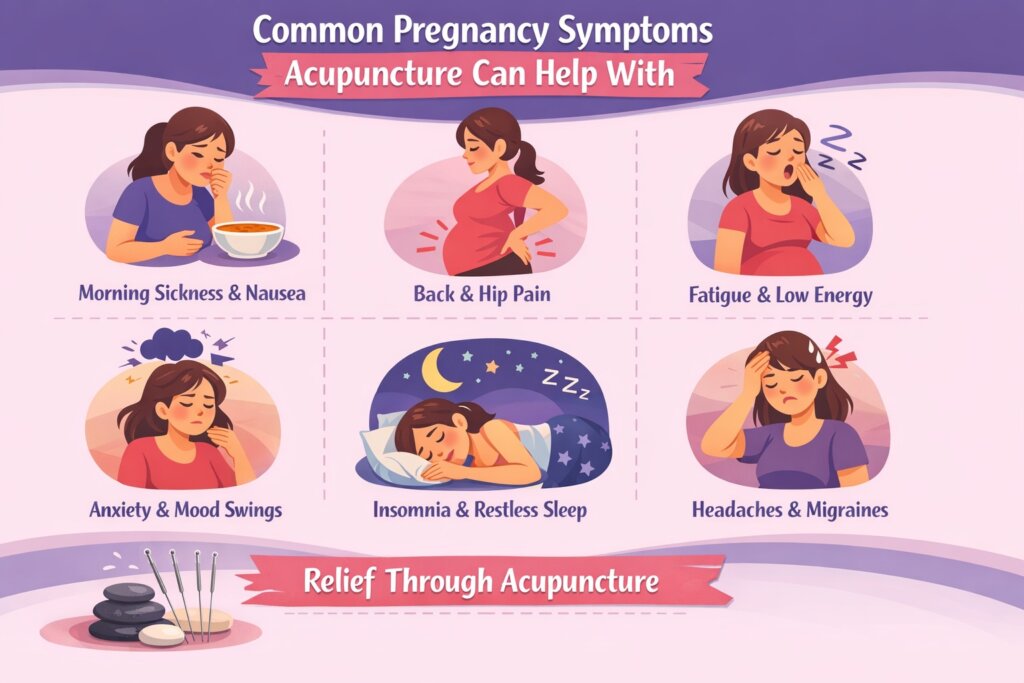
Acupuncture is used to support a wide range of pregnancy-related symptoms. It’s not a quick fix, but many women notice improvement within a few sessions, especially when combined with rest, hydration, and other supportive practices. Here are some of the most common concerns that respond well to acupuncture care.
1. Morning Sickness and Nausea
Nausea is one of the earliest and most draining symptoms of pregnancy. Acupuncture can help calm the digestive system and regulate the hormones that trigger nausea. A specific point on the inner wrist, known as Pericardium 6, is often used to reduce queasiness and improve appetite.
2. Lower Back and Hip Pain
As your belly grows, your posture shifts and your ligaments loosen, which can lead to pain in the lower back, hips, and pelvis. Acupuncture helps release muscle tension, improve circulation, and reduce inflammation in these areas. Many women find significant relief after just a few treatments.
3. Fatigue and Low Energy
Pregnancy fatigue is real, and it can be overwhelming, especially in the first and third trimesters. Acupuncture supports energy production by balancing the body’s systems and improving sleep quality. It’s a gentle way to boost stamina without relying on caffeine or stimulants.
4. Anxiety and Mood Swings
Hormonal changes, physical discomfort, and the emotional weight of preparing for a baby can all contribute to anxiety and mood swings. Acupuncture stimulates the release of calming neurotransmitters and helps regulate the nervous system, making it easier to feel grounded and present.
5. Insomnia and Restless Sleep
Many pregnant women struggle to sleep, whether due to discomfort, racing thoughts, or frequent trips to the bathroom. Acupuncture can help calm the mind and relax the body, making it easier to fall asleep and stay asleep longer.
6. Headaches and Migraine Headaches Acupuncture
Tension headaches and migraines are common during pregnancy, often triggered by stress, dehydration, or hormonal shifts. Acupuncture addresses the root causes of headache pain by releasing muscle tension, improving blood flow, and balancing the nervous system. For women who want to avoid medication, acupuncture offers a safe and effective alternative.
What to Expect During Your First Prenatal Acupuncture Session
Your first visit will begin with a conversation. At Acupuncture Colorado Springs, we take the time to understand your health history, current symptoms, and treatment goals. We’ll ask about your pregnancy, energy levels, sleep, digestion, and any pain or discomfort you’re experiencing. This helps us design a treatment plan that fits your body and your needs, not a generic protocol.
After the consultation, you’ll lie down on a comfortable treatment table. You’ll remain fully clothed, though we may ask you to roll up your sleeves or pant legs to access certain points. We’ll insert a small number of needles, usually between five and twelve, depending on what your body needs that day.
Once the needles are in, we’ll dim the lights, play soft music, and let you rest. Many women fall asleep during this time. When the session is over, we’ll gently remove the needles and check in with you about how you’re feeling. We’ll also discuss how often you should come in and what to expect as treatment progresses.
Why Choose Acupuncture Colorado Springs for Prenatal Care?

At Acupuncture Colorado Springs, we offer personalized, root-cause-focused acupuncture support during pregnancy. Led by David W. Armstrong, L.Ac., a board-certified acupuncturist with years of experience, our clinic offers a calm, welcoming space where you can relax, reset, and reconnect with your body’s natural ability to heal. We proudly serve the greater Colorado Springs area, including Manitou Springs, Old Colorado City, and Woodland Park.
Every treatment begins with a thoughtful conversation about your health history, lifestyle, and goals. We design a plan that fits you, not a generic protocol. Whether you’re dealing with nausea, pain, anxiety, or fatigue, we’re here to support you through every stage of pregnancy with safe, natural, and effective care. You can learn more about our services or book an appointment by visiting our website or calling our clinic at 2525 W Pikes Peak Ave, Suite B, Colorado Springs, CO 80904.
Conclusion
Acupuncture during pregnancy feels gentle, calming, and deeply restorative for most women. It offers a safe way to manage pain, nausea, stress, and fatigue without medication. If you’re ready to experience natural relief and personalized prenatal support, schedule a consultation with Acupuncture Colorado Springs today.
Acupuncture Colorado Springs offers safe, personalized prenatal acupuncture tailored to your changing body. Our board-certified practitioner supports comfort and wellness throughout pregnancy. Learn more today.
FAQs
Does Acupuncture Hurt?
Most people feel little to no pain. The needles are very thin, and you may notice a brief pinch during insertion, followed by a mild ache, warmth, heaviness, or tingling. During pregnancy, we use gentle, pregnancy-appropriate points and adjust techniques for comfort and safety.
What Does Acupuncture Feel Like During Treatment?
Many patients feel deeply relaxed, calm, or even sleepy. You might notice a spreading warmth, gentle pulsing, or a dull, “heavy” sensation around a point—often described as a therapeutic response rather than pain. We check in throughout and tailor positioning and point selection to how you’re feeling that day.
What Does Acupuncture Feel Like After A Session?
After treatment, it’s common to feel calmer, looser, and more “settled” in your body. Some people notice symptom relief right away, while others feel subtle shifts over the next 24–48 hours, such as improved sleep, reduced tension, or steadier energy.
Is It Normal To Feel Sore Or Tired After Acupuncture?
Yes. Mild soreness at a needle site or temporary fatigue can happen, especially if your body is under stress or you’re addressing long-standing issues. These reactions are usually short-lived and often followed by improved comfort or energy; we can modify your plan if you’re feeling overly tired afterward.
How Long Does It Take To Feel Results From Acupuncture?
Some pregnancy-related concerns (such as tension or stress) may improve after the first session, while others may take a few visits to build momentum. In our clinic, we focus on root-cause patterns and adjust your treatment plan based on your response, goals, and trimester.