Becoming a mother changes everything. Your body has just completed one of the most demanding physical experiences possible, and now you’re navigating sleepless nights, hormonal shifts, physical discomfort, and emotional adjustments all at once. Many new moms in Colorado Springs turn to acupuncture for natural postpartum support, but one of the first questions is simple: how long does it take for acupuncture to work postpartum?
The honest answer is that it depends on what you’re treating, how severe your symptoms are, and how your body responds to care. Some women feel noticeably better after their first session, while others need a series of treatments over several weeks to experience meaningful relief. This article will walk you through realistic timelines, what affects your results, and how acupuncture may support common postpartum challenges like pain, stress, sleep disruption, mood changes, and physical recovery.
Key Takeaways
- Acupuncture may provide some immediate relief after the first session, but lasting postpartum results typically develop over 4 to 8 weekly treatments.
- Acute issues like postpartum pain or anxiety often respond faster than chronic concerns such as hormonal imbalance or deep fatigue.
- Session frequency, lifestyle factors, sleep quality, and stress levels all influence how quickly acupuncture works for postpartum recovery.
- Common postpartum concerns that acupuncture may help include pelvic pain, low back discomfort, mood swings, insomnia, and slow physical healing.
- Working with a licensed acupuncturist who personalizes your treatment plan is essential for safe, effective postpartum care.
How Long Does It Take for Acupuncture to Work Postpartum?
Most postpartum patients begin to notice changes within the first few sessions, but the timeline varies based on the condition being treated and individual health factors. Acute symptoms like muscle tension, headaches, or situational anxiety may improve quickly, sometimes within 24 to 72 hours after a single session. Chronic or complex issues such as postpartum depression, hormonal imbalance, or persistent pain typically require consistent care over several weeks to see meaningful progress.
A typical treatment plan for postpartum recovery includes one session per week for 6 to 8 weeks, followed by maintenance visits as needed. Some women feel an immediate sense of calm or reduced pain right after their first appointment, while others experience gradual improvements that build over time.
Think of acupuncture as a process rather than a quick fix. Just as it takes time for your body to recover from pregnancy and childbirth, it also takes time to restore balance and address the root causes of discomfort. The goal is not just symptom relief but supporting your body’s natural healing capacity so you can feel stronger, calmer, and more resilient as you adjust to life with your baby.
What Affects How Quickly Acupuncture Works for Postpartum Recovery?
Several factors influence how fast you’ll respond to acupuncture treatment after giving birth. Understanding these variables can help you set realistic expectations and work with your acupuncturist to optimize your care plan. Your individual health history, the severity of your symptoms, and how consistently you attend sessions all play a role in your results.
Here are the main factors that affect the effectiveness and timeline of acupuncture for postpartum healing.
1. The Type and Severity of Your Symptoms
Mild to moderate symptoms tend to respond more quickly than severe or long-standing issues. For example, tension headaches or mild anxiety may improve within a few sessions, while postpartum depression or chronic pelvic pain may take several weeks of consistent treatment to shift.
2. How Soon You Start Treatment After Birth
Starting acupuncture within the first few weeks postpartum can support faster recovery by addressing inflammation, promoting circulation, and helping your nervous system regulate during a critical healing window. Waiting months or years to seek care doesn’t mean acupuncture won’t help, but earlier intervention often leads to quicker results.
3. Frequency and Consistency of Sessions
Weekly sessions for the first 6 to 8 weeks are generally more effective than sporadic visits. Consistent treatment allows your body to build on each session’s benefits, creating cumulative healing rather than isolated relief. Skipping weeks or spacing sessions too far apart can slow your progress.
4. Your Overall Health and Stress Levels
High stress, poor sleep, inadequate nutrition, and dehydration can all slow your body’s response to acupuncture. Living at a high altitude in Colorado Springs adds another layer of physical demand, especially postpartum. Supporting your treatment with rest, hydration, and gentle movement can enhance your results.
5. Whether You’re Combining Acupuncture With Other Therapies
Acupuncture works well alongside other supportive care such as pelvic floor physical therapy, counseling, postpartum chiropractic care, or herbal medicine. Acupuncturists often provide guidance on complementary therapies and lifestyle adjustments to help you heal more fully.
6. Your Body’s Unique Response to Treatment
Every woman’s postpartum experience is different. Some patients are highly responsive to acupuncture and feel shifts quickly, while others need more time for their nervous system and hormones to recalibrate. Both responses are normal, and your acupuncturist will adjust your care plan as you progress.
Common Postpartum Issues Acupuncture May Help
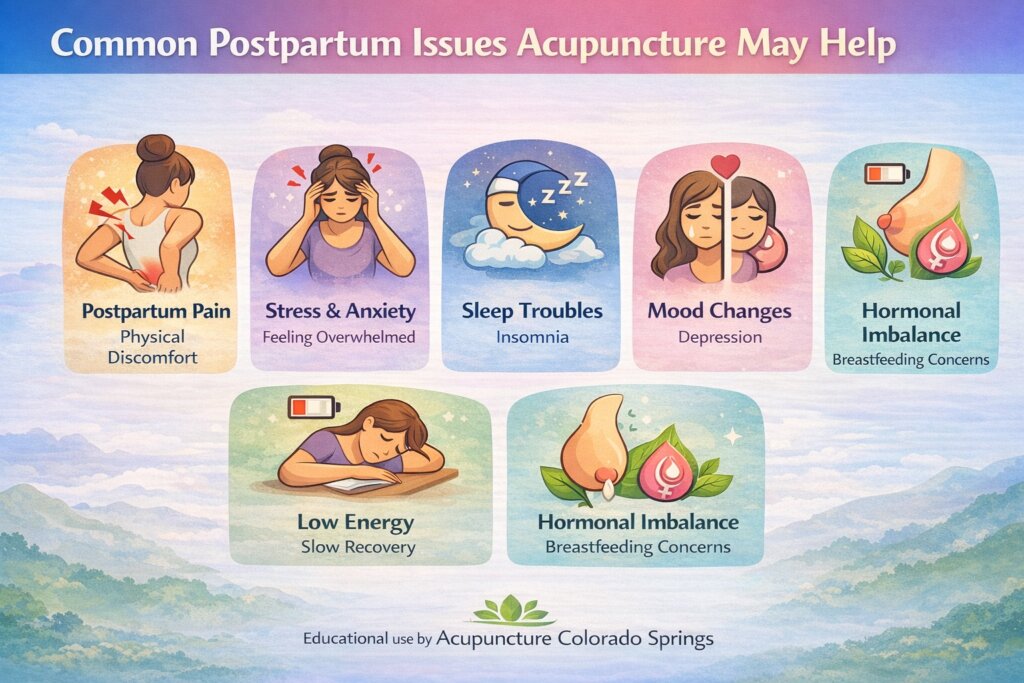
Postpartum recovery involves more than just physical healing. Your hormones are shifting, your sleep is disrupted, and your emotional landscape may feel unpredictable. Acupuncture is often used to support a wide range of postpartum concerns, addressing both the symptoms you’re experiencing and the underlying imbalances contributing to them.
Below are some of the most common postpartum challenges, along with how acupuncture may help.
1. Postpartum Pain and Physical Discomfort
Many new moms experience lower back pain, pelvic discomfort, neck and shoulder tension, or lingering soreness from delivery. Acupuncture may help reduce inflammation, improve circulation, and release muscle tension, often providing noticeable relief within a few sessions.
2. Stress, Anxiety, and Feeling Overwhelmed
The postpartum period can feel emotionally intense. Acupuncture supports the nervous system by promoting relaxation and helping your body shift out of fight-or-flight mode. Many patients report feeling calmer and more grounded after just one or two treatments.
3. Sleep Disruption and Insomnia
Even when your baby sleeps, you might struggle to fall or stay asleep due to hormonal changes and nervous system dysregulation. Acupuncture may help improve sleep quality by calming the mind and supporting deeper rest, though it often takes several sessions to see consistent improvement. Just like how long it takes for melatonin to work varies from person to person, acupuncture’s effects on sleep build over time.
4. Postpartum Mood Changes and Depression
Postpartum depression and mood swings are real and deserve compassionate, comprehensive care. Acupuncture is not a replacement for mental health counseling or medication when needed, but it can be a valuable part of your support system. Many women find it helps stabilize mood, reduce irritability, and restore a sense of emotional balance over several weeks of treatment.
5. Slow Physical Recovery and Low Energy
Pregnancy and childbirth are exhausting. If you’re struggling with fatigue, slow healing, or feeling like your body isn’t bouncing back, acupuncture may support your recovery by improving energy flow, supporting immune function, and helping your body rebuild strength. This process takes time, much as it takes for food to digest and nourish your system—healing happens in layers.
6. Hormonal Imbalance and Breastfeeding Concerns
Acupuncture has been used traditionally to support lactation, regulate hormones, and ease the transition as your body adjusts postpartum. Whether you’re dealing with low milk supply, breast pain, or irregular cycles returning, acupuncture may help restore balance and function.
How Many Acupuncture Sessions Are Common for Postpartum Recovery?
There’s no universal number of sessions that works for every postpartum patient, but most women benefit from a series of treatments rather than a single visit. Practitioners typically recommend starting with weekly sessions for 6 to 8 weeks, then reassessing your progress and adjusting the plan as needed.
For acute issues like muscle pain or mild anxiety, you might feel significantly better within 3 to 5 sessions. For more complex concerns like postpartum depression, hormonal imbalance, or chronic fatigue, a longer course of care—often 8 to 12 sessions or more—may be necessary to achieve lasting results.
After the initial treatment phase, many patients transition to maintenance care, coming in once or twice a month to support ongoing wellness and prevent symptoms from returning. Your acupuncturist will work with you to design a plan that fits your needs, your schedule, and your goals for postpartum healing.
Comparing Acupuncture Timelines to Other Postpartum Therapies
You might be wondering how acupuncture’s timeline compares to other treatments you’ve heard about. Just as how long it takes for MiraLAX to work for constipation varies—typically 1 to 3 days, but sometimes longer—acupuncture’s effects also depend on the individual and the condition being treated. Some therapies offer faster symptom relief, while others take weeks to show results.
| Therapy | Typical Timeline | Best For |
|---|---|---|
| Acupuncture | 1-8 sessions over 4-8 weeks | Pain, stress, sleep, mood, overall recovery |
| Physical Therapy | 6-12 weeks of regular sessions | Pelvic floor dysfunction, core weakness |
| Counseling | Ongoing, often several months | Postpartum depression, anxiety, trauma |
| Medication | Varies; some work in days, others weeks | Depression, anxiety, pain, sleep (when medically indicated) |
| Herbal Support | 2-4 weeks for noticeable effects | Hormonal balance, energy, milk supply |
The key is finding the right combination of therapies for your needs. Acupuncture often works well alongside other supportive treatments, enhancing their effects rather than replacing them. When therapies are chosen thoughtfully and coordinated together, they can address both symptoms and underlying imbalances, leading to more sustainable and personalized healing outcomes.
When to Contact Your Healthcare Provider
Acupuncture is a safe, natural therapy for postpartum support, but it’s not a substitute for medical care when serious concerns arise. You should contact your doctor or midwife right away if you experience any of the following:
- Severe postpartum depression, thoughts of harming yourself or your baby, or inability to care for yourself
- Heavy bleeding, foul-smelling discharge, or signs of infection after delivery
- Intense pelvic pain, fever, or other symptoms that feel urgent or alarming
- Chest pain, shortness of breath, or swelling in your legs
- Persistent symptoms that aren’t improving with treatment or self-care
Acupuncture works best as part of a comprehensive postpartum care plan that may include medical follow-up, pelvic floor therapy, counseling, and support from family and friends. Seek additional care whenever you need it.
Why Personalized Care Matters for Postpartum Acupuncture
No two postpartum experiences are the same. Your symptoms, your birth story, your lifestyle, and your goals for recovery are unique to you. That’s why generic treatment protocols often fall short. Each session should be tailored to your current needs, your body’s response to care, and the specific challenges you’re facing.
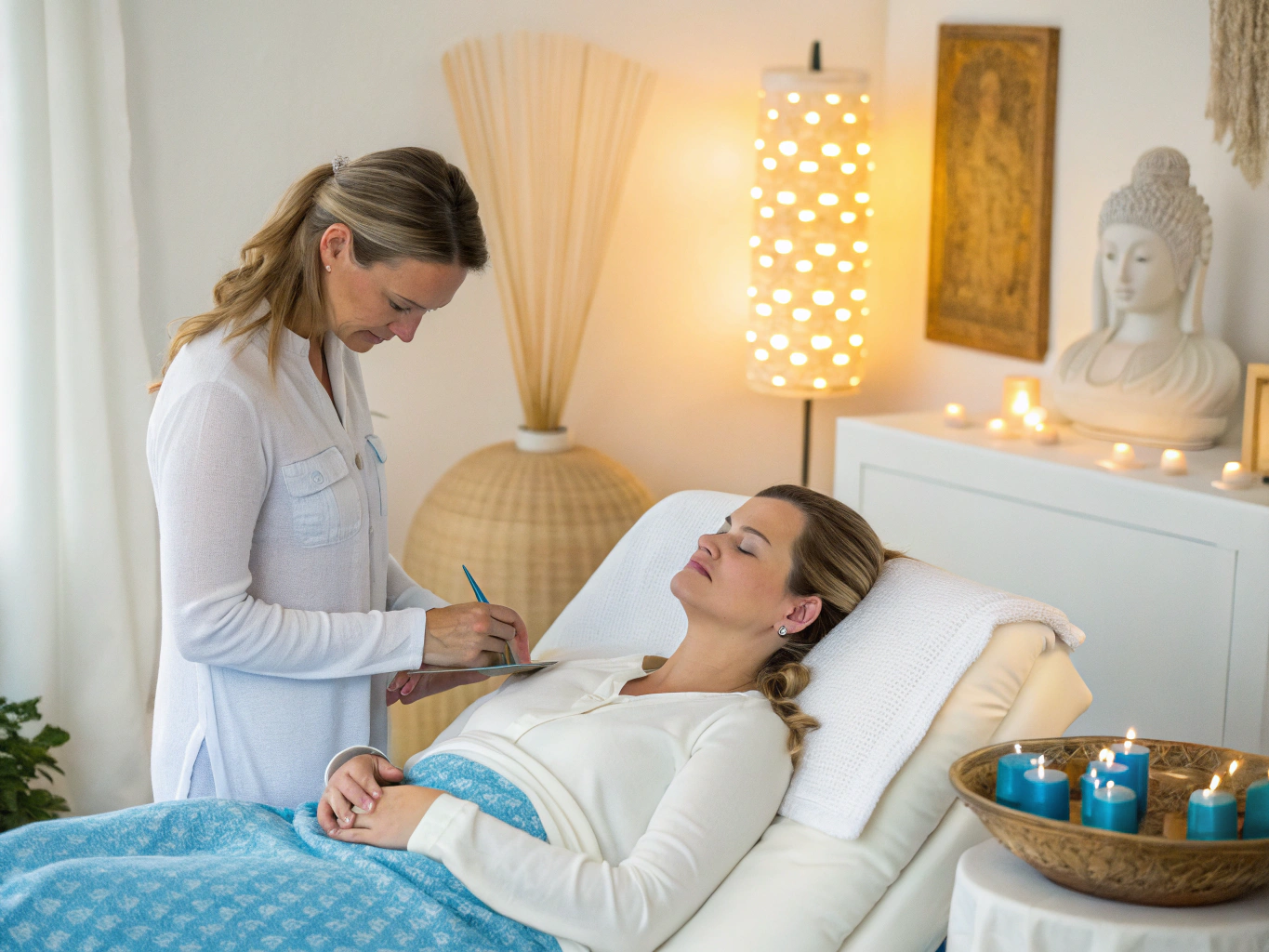
A good practitioner takes time to listen, assess, and adjust your treatment plan as you heal. Whether you’re dealing with physical pain, emotional overwhelm, or a combination of concerns, your care strategy should address the root causes and support your whole-body wellness. Our calm, welcoming clinic environment is designed to help you relax, reset, and reconnect with your body’s natural ability to heal.
Conclusion
Acupuncture offers a natural, personalized approach to postpartum healing, with most patients noticing meaningful improvements within 4 to 8 weekly sessions. If you’re ready to feel more like yourself again, we invite you to schedule a consultation at Acupuncture Colorado Springs to talk through whether acupuncture is a good fit for you.
Acupuncture Colorado Springs offers personalized acupuncture care tailored to your individual needs. Board-certified practitioner David Armstrong addresses root causes for lasting relief. Learn more today.
FAQs
How Many Acupuncture Sessions Does It Take to See Results?
Postpartum, some people notice changes within 1–3 sessions, but more established issues (like lingering pelvic/low-back pain, sleep disruption, or mood stress) often improve over a short series of 6–10 visits. A practitioner can tailor the plan to your delivery history, recovery timeline, and goals, then adjust based on how your body responds.
How Soon Will I Feel Relief After Acupuncture?
Many postpartum patients feel calmer or less tense the same day, and pain relief can show up within hours to a couple of days. It’s also common to feel pleasantly tired afterward as your nervous system “downshifts,” especially when sleep has been limited.
Does Acupuncture Work Immediately or Take Time?
Both can be true: some symptoms improve quickly (like stress, muscle tension, or headaches), while root-cause patterns (such as hormonal shifts, depletion, or chronic inflammation) typically build improvement over several treatments. Our board-certified approach focuses on steady, measurable progress without over-treating.
How Long Do the Effects of Acupuncture Last?
Relief may last a few days after early sessions and often extends to a week or longer as your system stabilizes. With consistent care and supportive lifestyle/herbal guidance when appropriate, many postpartum patients find results become more durable over time.
How Do You Know If Acupuncture Is Working?
Signs include less pain, better sleep, improved mood resilience, fewer headaches, more stable energy, and faster recovery between “bad days.” We track these changes visit to visit and refine your treatment based on what’s improving and what still needs support.