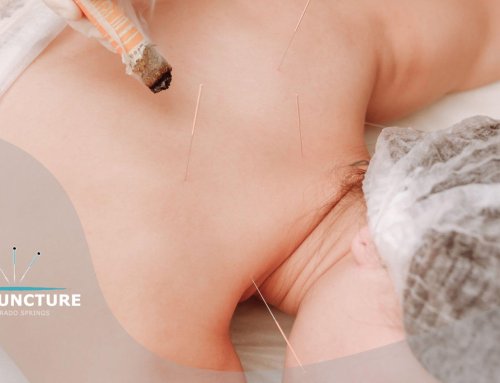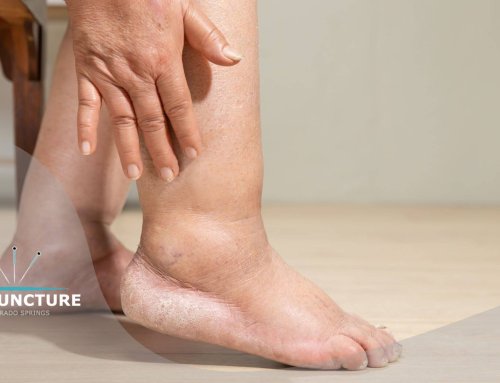
Nerve pain is not like ordinary muscle soreness. It can feel like burning, electric shocks, numbness, or a deep aching that never fully goes away. Whether it comes from sciatica, diabetic neuropathy, carpal tunnel, or a pinched nerve in your neck or lower back, the experience is exhausting and often discouraging when standard treatments only offer partial relief. Many people in Colorado Springs are now turning to acupuncture nerve pain treatment as a natural, root-cause approach that works alongside or instead of medication.
This article will walk you through how many acupuncture sessions are typically needed for nerve pain, what factors shape your treatment timeline, how acupressure points for back pain and other nerve-related areas are used in practice, and what you can realistically expect from your first visit to your last. We will also explain how Acupuncture Colorado Springs approaches nerve pain differently from a generic clinic.
Key Takeaways
- Most people with nerve pain need between 6 and 20 acupuncture sessions depending on the severity and cause of their condition.
- Chronic nerve pain typically requires more sessions than acute or recent-onset nerve pain.
- Acupuncture works by stimulating specific points that may calm nerve irritation, improve circulation, and support the body’s natural healing response.
- Acupressure points for shoulder pain, neck tension, and leg discomfort are commonly used alongside needle-based treatment for nerve conditions.
- Treatment plans at our clinic are personalized, not templated, meaning your session count is based on your actual health picture.
- Consistency matters more than speed when treating nerve pain with acupuncture.
If you have been living with nerve pain for months or years, you already know that quick fixes rarely hold. Let’s look at what acupuncture can realistically offer and how the process actually works.
How Many Acupuncture Sessions Do You Need for Acupuncture Nerve Pain Relief?
This is the question most patients ask before booking their first appointment, and it deserves a straight answer. For mild or recent nerve pain, many patients begin noticing improvement within 4 to 6 sessions. For moderate to severe or long-standing nerve pain, a realistic starting range is 10 to 20 sessions, with some patients continuing monthly maintenance care after that initial phase.
That said, there is no universal number. Nerve pain from diabetic neuropathy responds differently than pain from a herniated disc pressing on the sciatic nerve. A pinched nerve in the shoulder area may resolve faster than chronic numbness in the feet.
Here is a general reference guide based on condition type and severity:
| Condition Type | Estimated Sessions (Initial Phase) | Frequency |
|---|---|---|
| Mild, recent-onset nerve pain | 4 to 8 sessions | 1 to 2 times per week |
| Moderate nerve pain (3 to 12 months) | 8 to 14 sessions | 1 to 2 times per week |
| Chronic nerve pain (over 1 year) | 12 to 20+ sessions | Weekly, then tapering |
| Diabetic peripheral neuropathy | 15 to 24 sessions | Weekly ongoing |
| Post-surgical nerve pain | 10 to 18 sessions | Weekly |
These ranges are starting points, not guarantees. The only way to get an accurate estimate is through a proper intake assessment with a licensed practitioner who can evaluate your specific pattern of pain.
Key Factors That Affect Your Acupuncture Nerve Pain Treatment Timeline
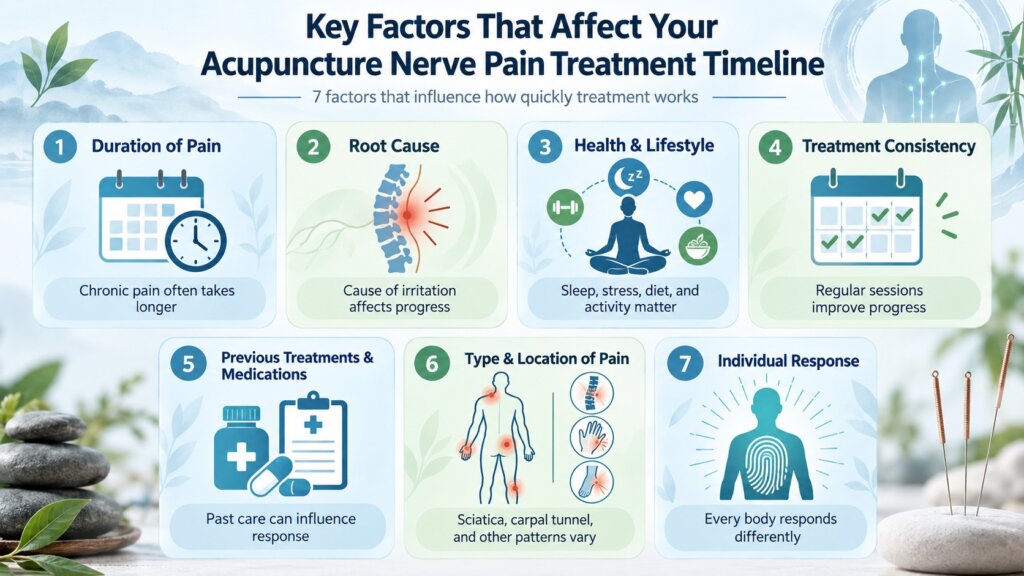
Understanding what shapes your session count helps you set realistic expectations and commit to the process with more confidence. Several variables influence how quickly your nervous system responds to acupuncture treatment. Here are the most significant ones.
1. Duration of the Nerve Pain
Nerve pain that has been present for years has had more time to become embedded in the body’s signaling patterns. Recent nerve pain, by contrast, often responds more quickly because the nervous system has not yet fully adapted to a state of chronic irritation.
2. Root Cause of the Nerve Damage or Irritation
Structural causes like a herniated disc compressing a nerve root may require more sessions than inflammation-driven nerve pain. When we assess acupressure points for back pain or acupressure points for shoulder pain, we are also looking at what is driving the nerve irritation, not just where it hurts.
3. Overall Health and Lifestyle
Sleep quality, stress levels, diet, and physical activity all affect how well your body responds to treatment. Patients who are also managing high stress or poor sleep may find their nerve pain recovery takes longer. Colorado Springs’ high altitude and dry climate can also affect circulation and tissue hydration, both of which matter for nerve health.
4. Consistency of Treatment
Skipping sessions or spacing them out too far in the early phase tends to slow progress. The initial weeks of acupuncture nerve pain treatment are when the most important signaling work happens in the body. Staying consistent during that window makes a measurable difference.
5. Previous Treatments and Medications
Long-term use of certain medications, including some pain relievers and nerve-blocking drugs, can affect how the body responds to acupuncture. This does not mean acupuncture will not work, but it is a factor we consider when building your plan.
6. Type of Nerve Pain and Location
Sciatica running down the leg may respond differently than tingling in the hands from carpal tunnel. Practitioners often reference a foot acupressure points chart or an acupressure points leg chart to map treatment around the pathways involved in lower extremity nerve pain. Location matters in Traditional Chinese Medicine because the meridians running through the legs, feet, shoulders, and neck each correspond to different organ systems and energy pathways.
7. Your Body’s Individual Response
Some people feel a noticeable shift after their second or third session. Others need six or eight sessions before they register a meaningful change. This is not a sign that acupuncture is not working. It often reflects how deeply the nervous system has been affected and how much cumulative stimulation it needs to begin recalibrating.
What Happens During an Acupuncture Nerve Pain Session?
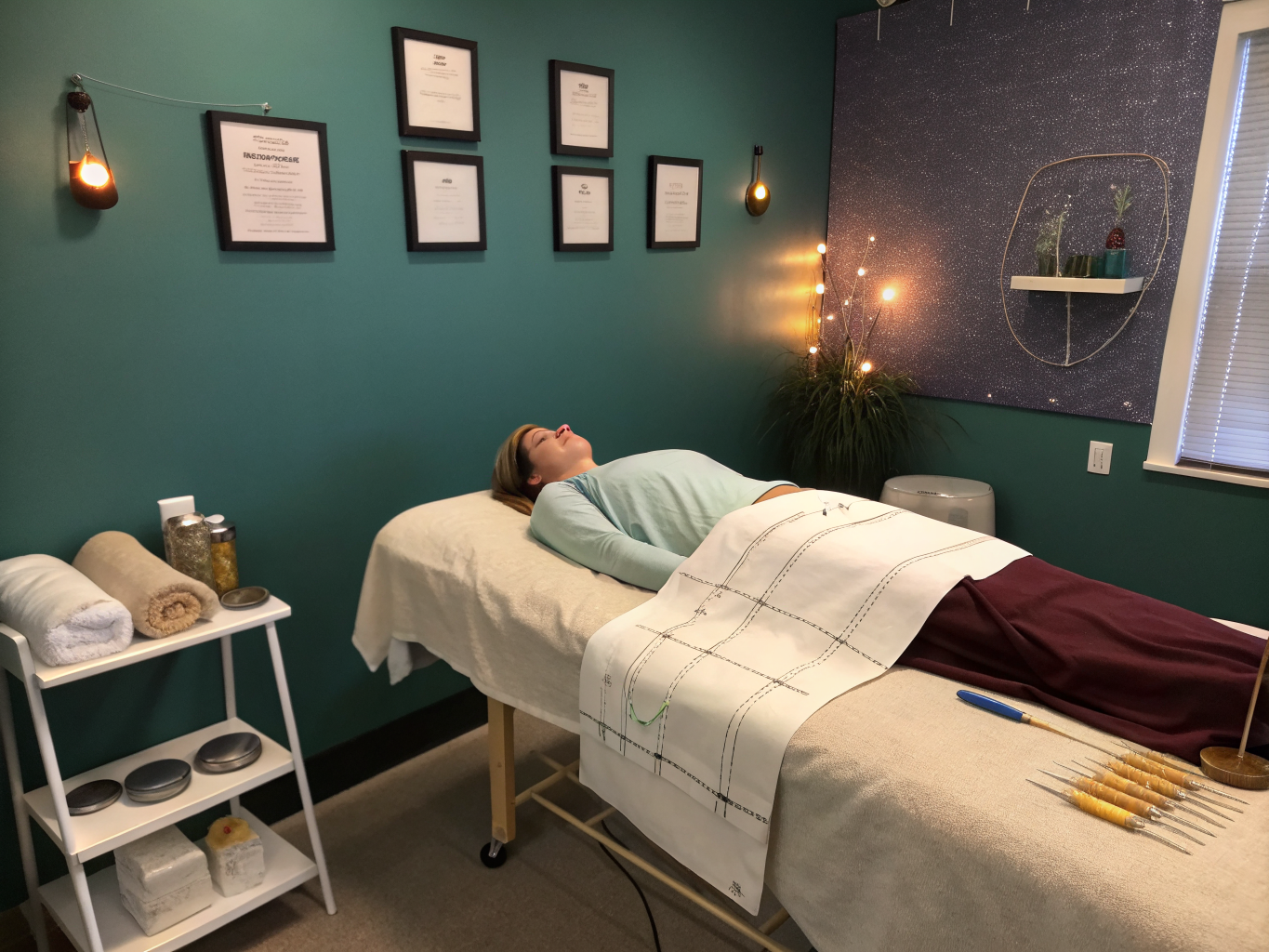
If you have never had acupuncture before, you might picture something uncomfortable or intimidating. In practice, most patients describe the experience as surprisingly relaxing. At Acupuncture Colorado Springs, every session begins with a brief check-in about how you have been feeling since your last visit, then moves into targeted needle placement based on your current presentation.
For nerve pain, David W. Armstrong, L.Ac. typically works along the meridians associated with the affected nerve pathways. This might include acupressure points for neck and shoulder pain if the nerve irritation originates in the cervical spine, or points along the leg and foot if the issue involves the sciatic nerve or peripheral neuropathy.
Needles are left in place for 20 to 40 minutes while you rest quietly. Many patients fall asleep. After the session, you may feel a mild heaviness or warmth in the treated areas, which is a normal response as circulation increases and the nervous system begins to settle.
We also incorporate complementary approaches when appropriate. Cupping therapy can help decompress tissue around compressed nerves, and Chinese herbal medicine guidance may support nerve tissue recovery between sessions. These additions are not upsells. They are part of a thoughtful, whole-person approach to care.
How Acupuncture Nerve Pain Treatment Compares to Other Approaches
You might be wondering how acupuncture stacks up against physical therapy, medication, or simply waiting it out. Each approach has its place, and they are not mutually exclusive. Many patients use acupuncture alongside physical therapy or while tapering off medication under their doctor’s supervision.
| Approach | Primary Mechanism | Typical Timeline | Common Limitations |
|---|---|---|---|
| Acupuncture | Nerve signaling, circulation, inflammation modulation | 6 to 20+ sessions | Requires consistency; gradual improvement |
| Pain medication | Blocks pain signals chemically | Immediate but temporary | Side effects, dependency risk, does not address cause |
| Physical therapy | Strengthens supporting structures | 6 to 12 weeks | May not address nerve-level irritation directly |
| Surgery | Corrects structural compression | Recovery months | Invasive, not always indicated, recovery varies |
| Watchful waiting | Allows natural healing | Unpredictable | Chronic pain can worsen without intervention |
Acupuncture does not replace medical care. What it offers is a way to work with your body’s own systems to reduce pain signals, improve local circulation, and support nerve tissue recovery, without the side effects that come with long-term medication use.
What to Expect in Your First Few Sessions at Acupuncture Colorado Springs
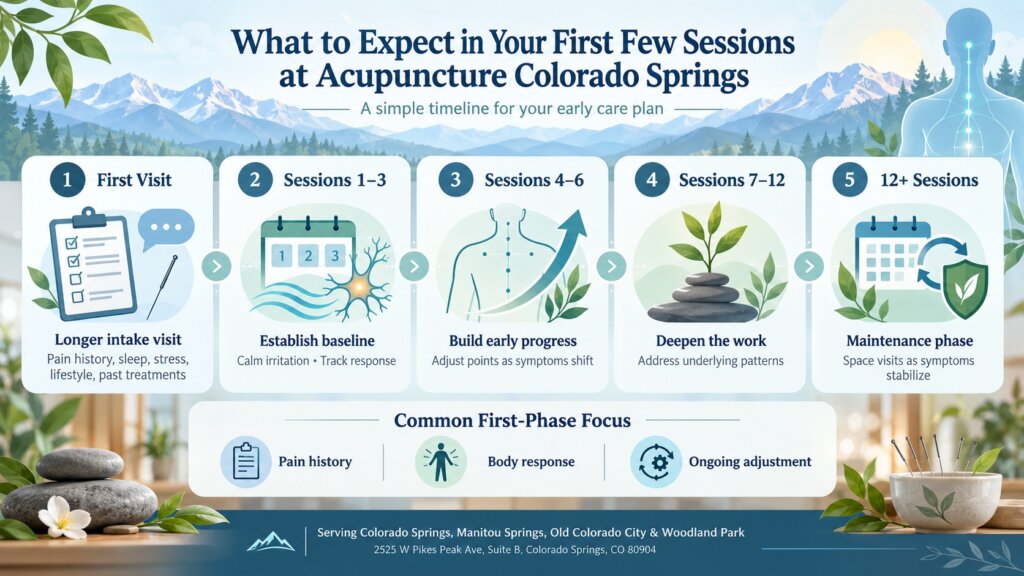
Your first visit to our clinic is longer than a standard session because it includes a full intake conversation. David will ask about your pain history, lifestyle, sleep, digestion, stress, and any previous treatments. This is not just background information. It shapes every decision about where to place needles and what complementary support might help.
From there, most patients with nerve pain follow a schedule that looks something like this during the first phase of care:
- Sessions 1 to 3: Establishing a baseline, beginning to calm acute nerve irritation, and assessing your body’s response.
- Sessions 4 to 6: Building on early progress, adjusting point selection based on how your symptoms are shifting.
- Sessions 7 to 12: Deepening the work, addressing underlying patterns in TCM terms such as Qi stagnation or Blood deficiency that contribute to nerve pain.
- Sessions 12 and beyond: Transitioning to maintenance care, spacing sessions further apart as symptoms stabilize.
We serve patients across Colorado Springs and surrounding El Paso County communities including Manitou Springs, Old Colorado City, and Woodland Park. If you are managing nerve pain and looking for a clinic that will actually take the time to understand your case, we would like to be part of your care team.
You can learn more about our approach or schedule a consultation by visiting us at 2525 W Pikes Peak Ave, Suite B, Colorado Springs, CO 80904, or by exploring our services page online. Our care plans are never one-size-fits-all, and we use only sterile, single-use needles in every session.
Conclusion
Acupuncture nerve pain treatment is not a one-session solution, but for many patients, it offers real and lasting relief that other approaches have not provided. Your session count depends on your specific condition, how long you have had it, and how your body responds over time. At Acupuncture Colorado Springs, led by David W. Armstrong, L.Ac., we build every care plan around your individual health picture, not a generic protocol. If nerve pain is affecting your daily life, we encourage you to schedule a consultation and find out what a personalized treatment plan could look like for you.
Acupuncture Colorado Springs offers board-certified, root-cause acupuncture care tailored to nerve pain relief. David Armstrong builds personalized treatment plans targeting your specific symptoms. Get started today—call our Colorado Springs clinic.
FAQs
Can Acupuncture Help Nerve Pain?
Yes—acupuncture may help reduce nerve pain by calming pain signaling, improving local circulation, easing muscle tension that can irritate nerves, and supporting the body’s natural anti-inflammatory and healing responses. Results vary by cause and duration of symptoms, so we tailor treatment to your specific pattern and diagnosis.
How Many Acupuncture Sessions Are Needed for Nerve Pain?
Many people start noticing changes within 3–6 sessions, but longer-standing or more complex nerve pain often takes 8–12+ sessions for steadier improvement. A common plan is 1–2 visits per week at first, then tapering as symptoms stabilize and function improves.
What Does Acupuncture Do for Neuropathy?
For neuropathy, acupuncture may help decrease burning, tingling, numbness, and hypersensitivity by supporting nerve function, improving blood flow to affected areas, reducing inflammation, and regulating the nervous system. We also consider contributing factors like stress, sleep, digestion, and metabolic health when building your plan.
Where Do They Put Needles for Nerve Pain?
Needle placement depends on the nerve involved and the root cause. Treatments often include local points near the painful pathway, distal points on the arms or legs that influence the same nerve channels, and regulatory points to reduce nervous system sensitivity—chosen after an assessment of your symptoms, movement, and overall health.
Is Acupuncture Safe for Neuropathy?
Acupuncture is generally safe when performed by a licensed, board-certified practitioner using sterile, single-use needles. For neuropathy, we adjust technique to account for reduced sensation, skin integrity, and medical conditions (such as diabetes or blood thinner use) to keep treatment comfortable and appropriate.