Post-surgical nerve pain can feel overwhelming when you’re trying to recover from a procedure. Tingling, burning sensations, numbness, and shooting pain often develop weeks or months after surgery, leaving many patients searching for safe, effective relief options. Acupuncture for nerve pain has emerged as a valuable complementary therapy that may help support your body’s natural healing process during recovery.
This article walks you through everything you need to know about using acupuncture for post-surgical nerve pain management. You’ll learn about common symptoms, how acupuncture works for nerve healing, what happens during treatment sessions, and realistic timelines for improvement.
Key Takeaways
- Post-surgical nerve pain includes tingling, burning, numbness, and shooting sensations that can persist for months after procedures.
- Acupuncture may support nerve healing by improving circulation, reducing inflammation, and modulating pain signals in the nervous system.
- Treatment plans typically involve 1-2 sessions per week for 6-12 weeks, with individualized point selection based on your specific symptoms.
- Most patients notice gradual improvement over 4-8 weeks, though results vary depending on surgery type and individual healing factors.
- Acupuncture works best as part of comprehensive post-surgical care alongside medical follow-up and physical therapy.
Understanding Post-Surgical Nerve Pain and Its Impact

Surgery can sometimes damage or irritate nerves, leading to persistent discomfort that extends well beyond normal healing time. This type of nerve pain, medically known as post-surgical neuropathic pain, affects up to 20% of surgical patients. The symptoms often feel different from typical post-operative soreness.
Common nerve pain symptoms include sharp, shooting sensations that travel along specific pathways. You might experience burning or electric-like pain, areas of numbness or tingling, or hypersensitivity where even light touch feels uncomfortable.
These symptoms can significantly impact daily activities and quality of life. Simple tasks like getting dressed, working at a computer, or even sleeping can become challenging when nerve pain flares up.
How acupuncture for nerve pain Works in Recovery
Research shows that acupuncture may help address nerve pain through several mechanisms that support the body’s healing process. The treatment works by stimulating specific points along pathways called meridians, which can influence nerve function and pain perception. Meta-analysis studies have found acupuncture superior to sham treatments for reducing neuropathic pain intensity, with effects lasting up to one year.
1. Enhanced Blood Flow and Circulation
Acupuncture promotes increased blood flow to injured tissues, delivering oxygen and nutrients essential for nerve repair. Better circulation also helps remove inflammatory waste products that can worsen pain.
2. Natural Pain Relief Through Endorphin Release
The treatment triggers your body’s production of endorphins and other natural pain-relieving chemicals. This can provide significant relief without the side effects associated with pain medications.
3. Nervous System Modulation
Acupuncture influences how your brain and spinal cord process pain signals. This neuromodulation effect can help reduce the intensity of nerve pain sensations over time.
4. Anti-Inflammatory Effects
The treatment may help reduce inflammation around injured nerves, creating a better environment for healing. Less inflammation typically means less pain and improved nerve function.
5. Stress Reduction and Sleep Improvement
Chronic pain often creates a cycle of stress and poor sleep that can worsen symptoms. Acupuncture’s calming effects may help break this cycle, supporting overall recovery.
The therapeutic effects occur through multiple pathways in your nervous system. Acupuncture stimulates the release of natural pain-relieving compounds and may help restore normal nerve signaling patterns.
Your Initial Evaluation and Treatment Planning

Your first visit starts with a thorough, patient-centered evaluation designed to understand the full context of your post-surgical nerve pain. We review your surgical history, current symptoms, and overall health to identify how and when nerve-related issues developed. This process ensures your care plan is tailored to your recovery stage and personal healing goals.
- Review of the type of surgery performed and the timeline of symptom onset
- Discussion of nerve pain characteristics such as burning, tingling, numbness, or shooting sensations
- Assessment of triggers, activity limitations, and daily life impact
- Review of previous treatments, medications, and current care plans
- Physical evaluation of the surgical area, nerve pathways, movement, and sensation
Using the information gathered, we create a personalized acupuncture treatment plan focused on supporting nerve function, circulation, and pain regulation. Treatment frequency, point selection, and progression are adapted as your healing evolves. This thoughtful planning helps ensure your acupuncture care remains safe, effective, and aligned with your post-surgical recovery.
What Happens During Acupuncture Sessions for Post-Surgical Pain Management
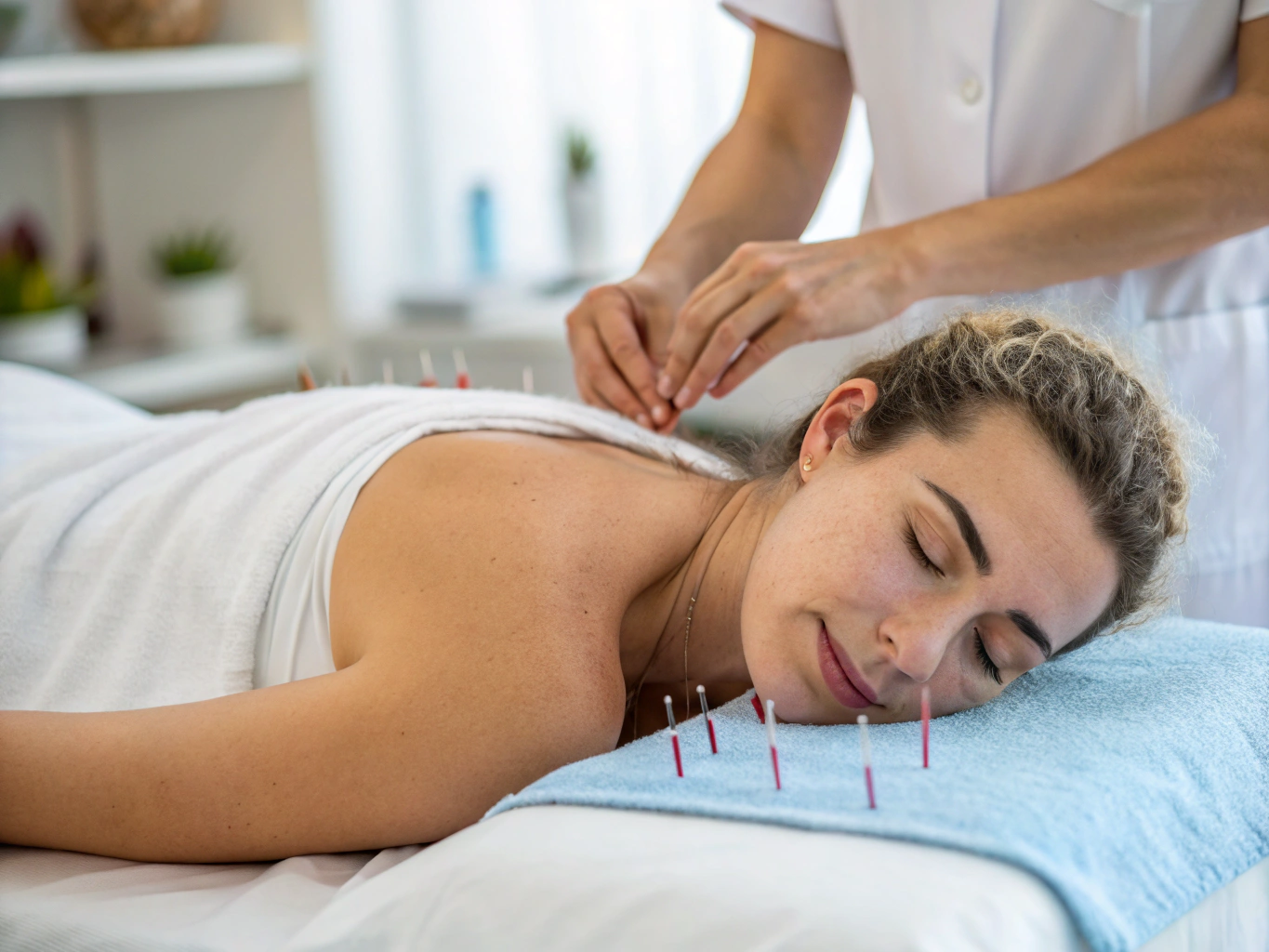
Each acupuncture session typically lasts 45-60 minutes, with about 20-30 minutes of actual needle time. The process begins with a brief check-in about your symptoms since the last visit, allowing us to adjust the treatment as your condition improves. Point selection varies based on your specific nerve pathways and symptom patterns.
1. Point Selection and Needle Placement
Points are chosen based on Traditional Chinese Medicine principles and modern understanding of nerve pathways. Some points may be near the surgical site, while others are located on distant parts of the body that connect to the affected nerves.
2. Needle Retention and Relaxation
Once needles are placed, you’ll rest quietly for 20-30 minutes while the treatment takes effect. Many patients find this deeply relaxing and some even fall asleep during sessions.
3. Gentle Stimulation Techniques
Depending on your condition, we may use gentle manual stimulation or low-level electrical stimulation to enhance the treatment effects. This is always done within your comfort level.
4. Post-Treatment Assessment
After needle removal, we’ll check how you’re feeling and provide guidance for the time between sessions. This might include gentle exercises or self-care recommendations.
The needles used are hair-thin, sterile, and single-use, making the treatment much more comfortable than most people expect. Most patients describe the sensation as a slight pinch followed by a dull, heavy feeling or mild tingling.
Treatment Frequency and Timeline Expectations
Most patients with post-surgical nerve pain benefit from starting with twice-weekly sessions for the first 3-4 weeks. This frequency allows the cumulative effects of treatment to build while addressing acute symptoms. As improvement occurs, sessions typically reduce to once weekly, then every other week for maintenance.
| Treatment Phase | Frequency | Duration | Expected Changes |
|---|---|---|---|
| Initial Phase | 2x per week | 3-4 weeks | Reduced pain intensity, better sleep |
| Improvement Phase | 1x per week | 4-6 weeks | Increased function, fewer flare-ups |
| Maintenance Phase | Every 2-3 weeks | Ongoing as needed | Sustained improvement, prevention |
The total treatment course usually spans 8-12 weeks, though some patients notice benefits sooner. Individual factors like surgery type, time since surgery, and overall health influence how quickly you respond.
Realistic Expectations for Nerve Pain Recovery
Nerve healing takes time, and acupuncture works gradually to support your body’s natural repair processes. Most patients begin noticing subtle changes within the first 2-3 weeks of treatment, such as improved sleep quality or reduced pain intensity during certain activities. Significant functional improvements typically occur over 6-8 weeks of consistent treatment.
1. Week 1-2: Initial Adaptation
Your body begins responding to treatment, though changes may be subtle. Some patients report feeling more relaxed or sleeping better after the first few sessions.
2. Week 3-4: Early Improvements
Pain intensity often begins to decrease, and you may notice longer periods between flare-ups. Daily activities might start feeling more manageable.
3. Week 5-8: Functional Gains
This period typically brings more noticeable improvements in function and quality of life. Pain levels continue to decrease, and normal activities become easier.
4. Week 9-12: Stabilization
Treatment focuses on maintaining gains and preventing setbacks. Many patients can reduce session frequency during this phase while continuing to improve.
You might experience some fluctuation in symptoms during early treatment as your nervous system adjusts. This is normal and doesn’t indicate that treatment isn’t working.
Integrating Acupuncture With Your Medical Care
Acupuncture works best as part of a comprehensive recovery plan that includes regular medical follow-up with your surgeon or primary care physician. We coordinate with your healthcare team to ensure all treatments complement each other safely. This collaborative approach helps address both immediate pain relief and long-term healing goals.
Many patients find that acupuncture helps them reduce reliance on pain medications while supporting other therapies like physical therapy. The treatment’s anti-inflammatory and circulation-enhancing effects can make other interventions more effective.
At Acupuncture Colorado Springs, we maintain open communication with your medical providers and can provide progress reports when helpful. Our goal is to support your overall recovery while respecting the primary role of your surgical team.
Why Choose Professional Acupuncture for Post-Surgical Recovery
Working with a licensed acupuncturist ensures you receive safe, effective treatment tailored to your specific condition. Professional training in both Traditional Chinese Medicine and modern pain management techniques allows for more precise point selection and treatment planning. Board certification and proper licensing also guarantee adherence to strict safety protocols.
At our clinic, every treatment begins with careful assessment of your current symptoms and healing progress. We use only sterile, single-use needles and follow all Colorado state regulations for acupuncture practice.
Our approach combines traditional acupuncture wisdom with current research on nerve pain and post-surgical recovery. This evidence-informed practice helps ensure you receive the most effective treatment possible for your specific situation.
Supporting Your Recovery in Colorado Springs
Living at high altitude can affect circulation and healing, making professional support even more valuable during post-surgical recovery. Our clinic understands the unique challenges Colorado Springs residents face, from dry air effects on tissue healing to the physical demands of our active mountain lifestyle. We tailor treatment plans to support your recovery while helping you return to the activities you love.
The calm, welcoming environment at Acupuncture Colorado Springs provides a peaceful space for healing and recovery. Located at 2525 W Pikes Peak Ave, Suite B, our clinic serves patients throughout El Paso County, including Manitou Springs, Old Colorado City, and Woodland Park.
Conclusion
Post-surgical nerve pain requires patience and comprehensive care for optimal healing. Acupuncture offers a safe, research-supported approach that may help reduce pain while supporting your body’s natural recovery processes. Professional treatment provides the expertise and individualized care needed for the best possible outcomes.
Acupuncture Colorado Springs offers personalized, root-cause-focused care to help relieve post-surgical nerve pain naturally. Our board-certified practitioner creates individualized treatment plans beyond surface symptoms. Learn more about restoring balance today.
FAQs
Does Acupuncture Help Nerve Pain?
Acupuncture may help reduce nerve pain by calming the nervous system, improving local circulation, and decreasing muscle tension and inflammation that can irritate nerves. At Acupuncture Colorado Springs, we tailor treatment to the root pattern behind your symptoms—especially after surgery—so care supports both relief and recovery.
How Many Acupuncture Sessions Are Needed for Nerve Pain?
It depends on the cause, how long you’ve had symptoms, and whether the nerve is still healing (as after surgery). Many people start with 1–2 visits per week for a few weeks, then taper as symptoms improve. We reassess regularly and adjust your plan based on measurable changes in pain, sensation, and function.
What Is the Best Acupuncture Point for Nerve Pain?
There isn’t one “best” point—effective treatment usually involves a customized combination based on the nerve involved, the surgical area, and your overall pattern in Traditional Chinese Medicine. We select points to reduce irritation, relax surrounding tissues, and support nerve recovery rather than relying on a generic protocol.
Can Acupuncture Help Neuropathy in the Feet?
Acupuncture may help neuropathy symptoms such as burning, tingling, numbness, and sensitivity by improving circulation and modulating nerve signaling. Results vary by cause (for example, diabetic, post-surgical, or medication-related neuropathy), so we focus on a personalized plan and may also discuss evidence-informed Chinese herbal options when appropriate.
Is Acupuncture Good for Sciatica Nerve Pain?
Acupuncture is commonly used for sciatica and may help by reducing muscle tightness, improving mobility, and decreasing pain along the sciatic nerve pathway. At our Colorado Springs clinic, we assess whether symptoms are coming from the low back, hip, or surrounding soft tissue and tailor treatment to address the underlying driver.