If you’ve ever experienced that sharp, stabbing pain in your heel first thing in the morning, you know how plantar fasciitis can disrupt your daily life. This common foot condition affects millions of people each year, making simple activities like walking, standing, or exercising feel impossible. While conventional treatments often focus on temporary symptom management, many people are turning to foot acupuncture as a natural, effective option for lasting relief.
In this article, you’ll learn how acupuncture works to address plantar fasciitis pain, what the research shows about its effectiveness, and how this time-honored therapy can support your body’s natural healing process. We’ll also explore what to expect during treatment and how personalized care can make a difference in your recovery.
Key Takeaways
- Foot acupuncture can reduce plantar fasciitis pain and improve function by addressing inflammation and tension at the source.
- Research shows that acupuncture combined with exercise may be more effective than other non-surgical treatments for relieving heel pain.
- Treatment typically involves 4-8 weeks of sessions, with many patients experiencing noticeable improvement within the first month.
- Acupuncture works by stimulating the body’s natural pain-relief mechanisms and improving blood flow to damaged tissue.
- Personalized treatment plans that address your specific condition and lifestyle factors support both immediate relief and long-term healing.
Understanding Plantar Fasciitis and Why Traditional Treatments Fall Short
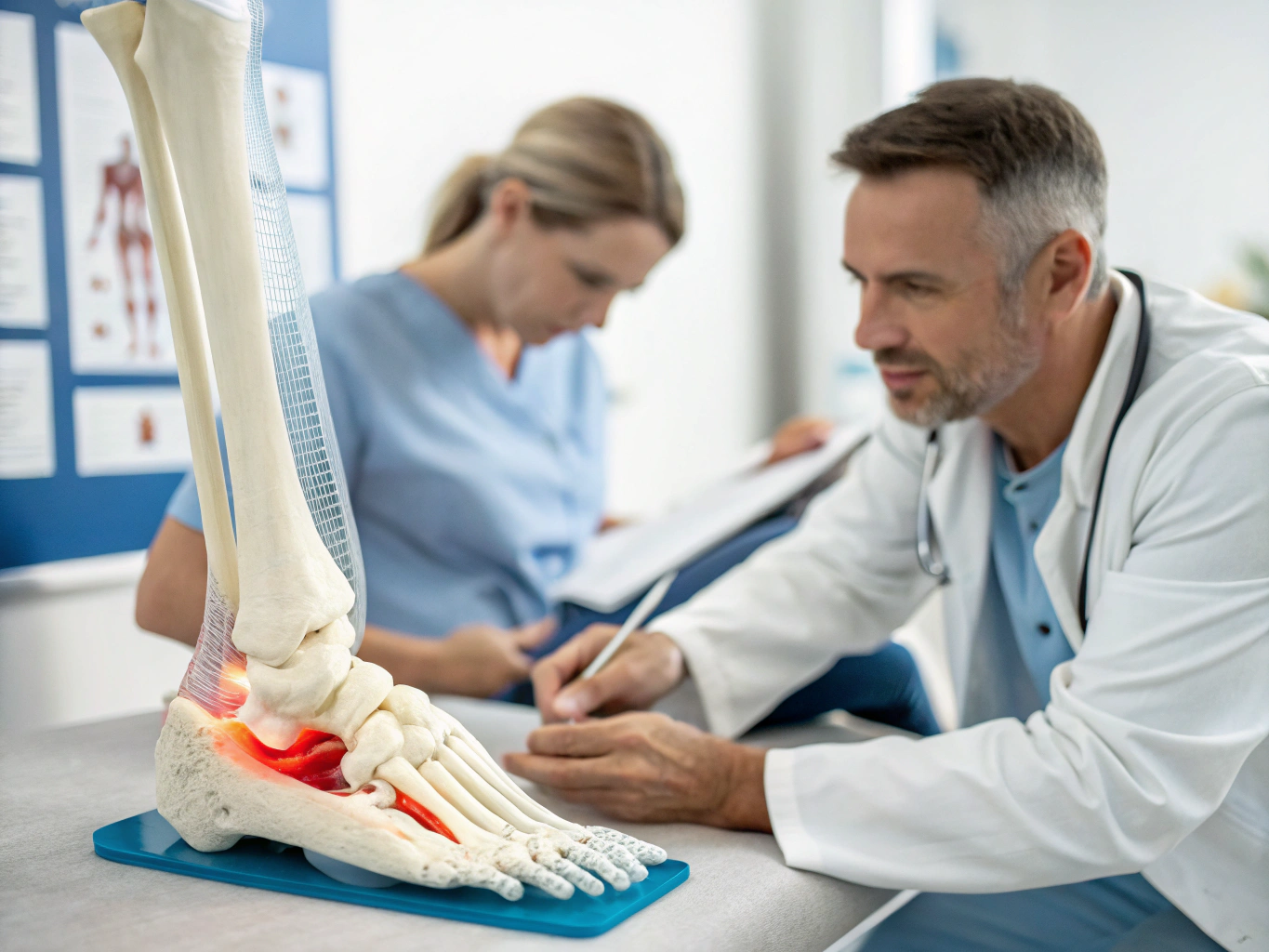
Plantar fasciitis develops when the thick band of tissue running along the bottom of your foot becomes inflamed or irritated. This fascia connects your heel bone to your toes and acts as a shock absorber during walking and running. When it’s overloaded or strained, tiny tears develop in the tissue, causing that characteristic heel pain.
Most people experience the worst pain with their first steps in the morning or after sitting for long periods. The pain may decrease as you move around, but it often returns after extended standing or physical activity.
Common causes include repetitive stress from running or standing on hard surfaces, tight calf muscles, high arches or flat feet, sudden weight gain, and wearing shoes with poor support. Colorado Springs residents face additional risk factors, such as our high altitude, which can affect tissue healing, and our active outdoor lifestyle, which puts extra demand on the feet.
Traditional treatment approaches typically include rest, ice, stretching exercises, orthotics, and anti-inflammatory medications. While these methods can provide temporary relief, they often fail to address the underlying tissue damage and chronic inflammation. Many patients find themselves stuck in a cycle of recurring pain that limits their ability to work, exercise, or enjoy daily activities.
This is where foot acupuncture offers a different approach. Rather than just masking symptoms, acupuncture works to reduce inflammation, improve circulation, and support the body’s natural healing response in the affected tissue.
How Foot Acupuncture Works for Plantar Fasciitis Pain Relief
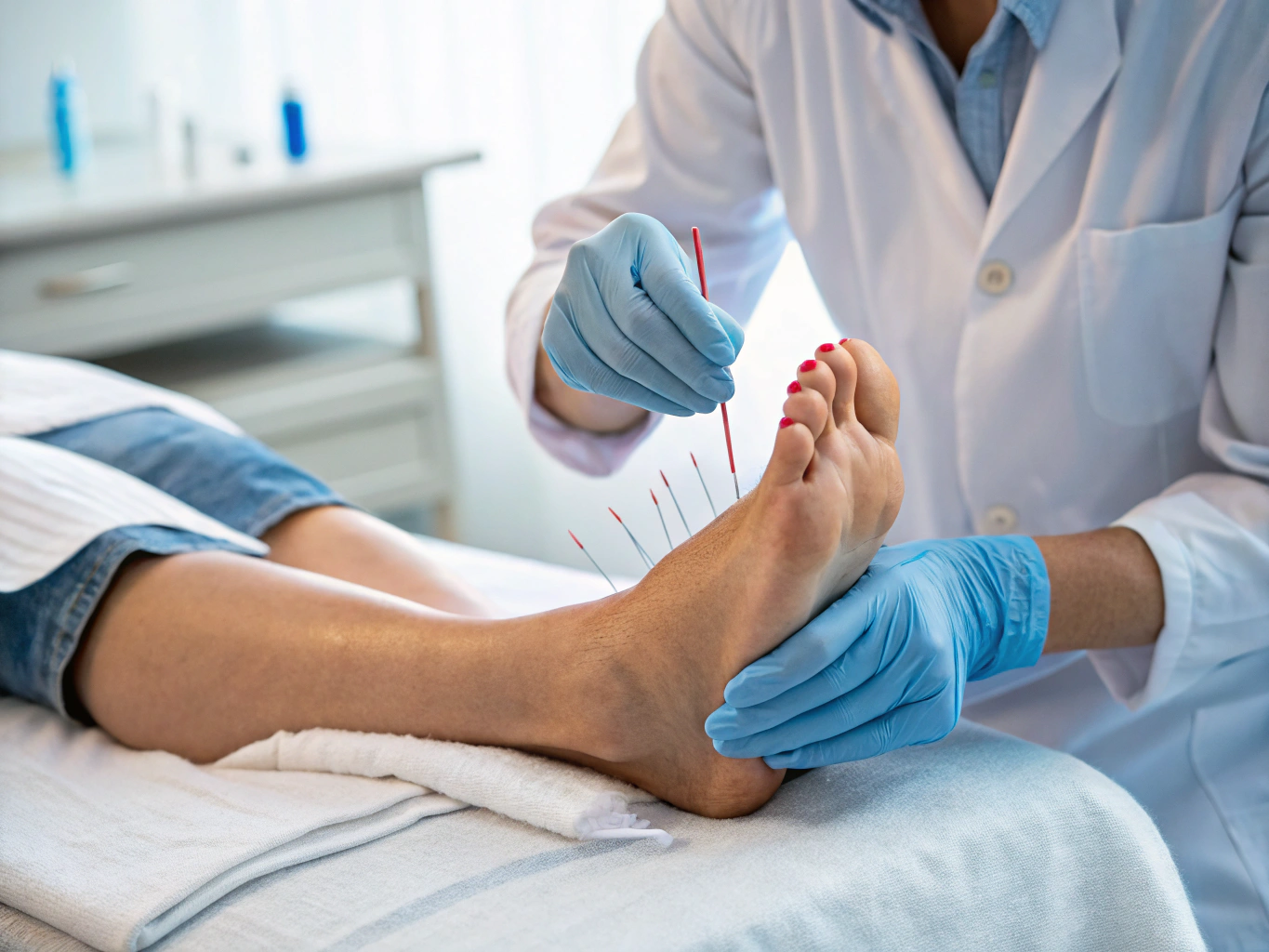
Acupuncture involves inserting thin, sterile needles at specific points on the body to stimulate healing responses. For plantar fasciitis, treatment focuses on points along the foot, ankle, and lower leg that correspond to pain pathways and tissue repair mechanisms. The goal is to reduce inflammation, release muscle tension, and restore proper function to the damaged fascia.
From a Traditional Chinese Medicine perspective, plantar fasciitis often involves stagnation of qi (energy) and blood in the foot channels. This blockage prevents proper nourishment and healing of the tissue. Acupuncture helps restore flow, allowing the body to repair damage more effectively.
Modern research supports these traditional observations. A 2024 meta-analysis published in Cureus found that acupuncture treatment was more effective for plantar fasciitis than other non-surgical treatment modalities when compared to placebo. Another study in the Singapore Medical Journal documented significant pain reduction within 4-8 weeks of acupuncture treatment.
Recent research in pain neuroscience shows that acupuncture works through several biological mechanisms. It triggers the release of endorphins and other natural pain-relieving chemicals in the body. The needle stimulation also activates vagal and sympathetic reflexes that reduce inflammation and promote tissue healing. Blood flow increases to the treated area, bringing oxygen and nutrients needed for repair while removing inflammatory waste products.
At Acupuncture Colorado Springs, we combine these evidence-informed techniques with a thorough assessment of your specific condition. David W. Armstrong, L.Ac., considers factors such as your walking patterns, footwear, activity level, and any underlying imbalances that may be contributing to your heel pain. This personalized approach allows us to design a treatment plan that addresses your unique needs rather than following a generic protocol.
What the Research Shows: Evidence for Acupuncture and Plantar Fasciitis

The scientific evidence supporting acupuncture for plantar fasciitis continues to grow. Multiple studies have demonstrated its effectiveness for reducing pain and improving foot function. A recent analysis published in Medical Acupuncture examined several clinical trials and found that acupuncture was efficacious for participants with plantar fasciitis, showing improvements in both pain relief and functional status.
One particularly compelling study from 2026, reported in HealthCMI, found that acupuncture combined with home exercises significantly reduced heel pain and improved foot function. This combination approach appears more effective than either treatment alone, suggesting that acupuncture enhances the body’s response to therapeutic exercise.
Research published in the National Institutes of Health database indicates that acupuncture therapy shows promise in treating both acute and chronic pain. The mechanisms involve complex neurological pathways that modulate pain perception and inflammatory responses throughout the body.
What does this mean for you? The research suggests that acupuncture can be a valuable tool in your plantar fasciitis recovery plan. Most studies show the best results when treatment is started early, before the condition becomes chronic. Patients typically need multiple sessions over several weeks to see lasting improvement.
The evidence also indicates that acupuncture is safe when performed by qualified practitioners using sterile techniques. Side effects are minimal and typically limited to mild soreness at needle sites. This safety profile makes acupuncture an attractive option for people who want to avoid medications or more invasive procedures.
While research quality varies across studies, the overall pattern points to real benefits for people with plantar fasciitis. You might be wondering whether acupuncture will work for your specific situation. The best way to find out is to consult a licensed acupuncturist, who can assess your condition and discuss realistic expectations based on your symptoms and health history.
Key Acupressure Points Used for Foot Pain and Heel Relief
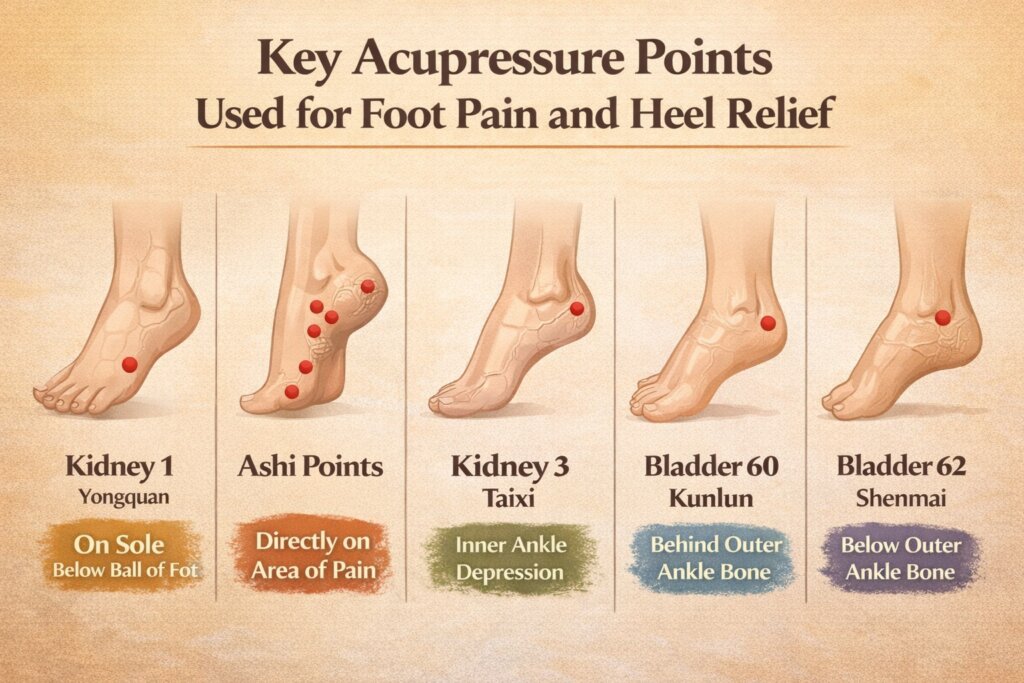
Acupuncture treatment for plantar fasciitis targets specific points that influence pain, inflammation, and healing in the foot. Understanding these points can help you appreciate how the therapy works. Licensed acupuncturists select point combinations based on your individual presentation, but several key locations are commonly used.
1. Kidney 3 (Taixi)
This point sits in the depression between the inner ankle bone and the Achilles tendon. It’s used to strengthen the lower body and reduce pain in the heel and ankle region. Stimulating this point may help address chronic heel pain by improving energy flow to the foot.
2. Bladder 60 (Kunlun)
Located in the depression behind the outer ankle bone, this point is particularly effective for heel pain and stiffness. It helps release tension in the Achilles tendon and calf muscles, which often contribute to plantar fasciitis. Many patients notice immediate relief in this area during treatment.
3. Kidney 1 (Yongquan)
Located on the sole of the foot, in the depression below the ball, this point is considered a major energy center. It’s used to ground excess energy and reduce inflammation in the foot. Treatment here can help with both pain and the underlying tissue damage.
4. Bladder 62 (Shenmai)
This point lies in the depression directly below the outer ankle bone. It’s effective for pain along the outer edge of the foot and heel. Stimulating this area helps relax tight muscles and fascia that may be pulling on the heel.
5. Ashi Points
These are tender points located directly where you feel pain. In plantar fasciitis, ashi points are often found along the heel and arch. Treating these local points addresses inflammation and trigger points in the damaged tissue itself.
Between professional acupuncture sessions, some practitioners teach patients to use acupressure on these same points at home. Acupressure involves applying firm pressure with your fingers instead of needles. While not as powerful as acupuncture, it can provide additional relief and help extend the benefits of your treatment sessions.
Combining Acupuncture With Other Natural Therapies for Better Results
Acupuncture works best as part of a comprehensive approach to healing plantar fasciitis. Research shows that combining acupuncture with home exercises produces better outcomes than either treatment alone. Your recovery plan might include several complementary strategies that support tissue healing and prevent recurrence.
1. Targeted Stretching Exercises
Calf stretches and plantar fascia stretches help maintain flexibility in the tissues that support your foot. Tight calf muscles pull on the heel, increasing strain on the fascia. Stretching before getting out of bed in the morning can reduce that initial sharp pain many people experience. Your acupuncturist can demonstrate proper technique and recommend a routine that fits your schedule.
2. Proper Footwear and Orthotics
Shoes with good arch support and cushioning reduce stress on your plantar fascia during daily activities. Avoid walking barefoot on hard surfaces, especially when your heel is painful. Custom or over-the-counter orthotics may help, particularly if you have flat feet or high arches. These supportive inserts work well alongside acupuncture by reducing mechanical stress while your tissue heals.
3. Activity Modification
You don’t need to stop moving, but you may need to adjust your activities temporarily. Replace high-impact exercises like running with lower-impact options like swimming or cycling. Gradually return to normal activities as your pain decreases. This approach prevents re-injury while maintaining your fitness and mental health.
4. Ice and Heat Therapy
Ice can reduce acute inflammation and pain, especially after activities that aggravate your heel. Apply ice for 15 minutes several times daily. Some people benefit from contrast therapy, alternating between ice and warm water. Heat helps relax tight muscles and improve circulation. Your acupuncturist can advise you on the best approach for your situation.
5. Chinese Herbal Medicine Support
Certain herbal formulas may support tissue healing and reduce inflammation from the inside out. Traditional Chinese Medicine uses specific herb combinations to address pain, improve circulation, and strengthen connective tissue. These formulas are selected based on your individual constitution and symptoms. While not everyone needs herbal support, it can accelerate healing in some cases.
At our clinic, we take time to discuss which complementary approaches make sense for your lifestyle and goals. The key is creating a realistic plan you can actually follow. A simple routine you do consistently will produce better results than a complex program you abandon after a week.
Taking the Next Step Toward Heel Pain Relief
If plantar fasciitis is limiting your life, you don’t have to accept chronic pain as your new normal. Foot acupuncture offers a natural, evidence-supported approach that addresses the root causes of heel pain while supporting your body’s healing capacity.
We invite you to experience personalized acupuncture care at our Colorado Springs clinic. David W. Armstrong, L.Ac., will take time to understand your specific situation and design a treatment plan that fits your needs and goals. Every session takes place in a calm, professional environment where you can relax and allow your body to heal.
Our clinic is conveniently located at 2525 W Pikes Peak Ave, Suite B, Colorado Springs, CO 80904. We proudly serve the greater Colorado Springs area and surrounding communities. Whether you’re dealing with recent heel pain or chronic plantar fasciitis that hasn’t responded to other treatments, we’re here to help you find relief and get back to the activities you love.
You can schedule a consultation to discuss your heel pain and learn more about how acupuncture might help your specific situation. We believe in clear communication and realistic expectations, so you’ll understand what treatment involves and what results you can reasonably expect before committing to care.
Conclusion
Foot acupuncture provides a safe, natural option for plantar fasciitis that addresses pain and inflammation while supporting long-term healing. Research confirms its effectiveness, especially when combined with appropriate exercises and lifestyle modifications. If you’re ready to move beyond temporary symptom management and address the root causes of your heel pain, acupuncture may be the solution you’ve been looking for.
Acupuncture Colorado Springs offers personalized acupuncture treatment to relieve plantar fasciitis pain at the root cause. Our board-certified practitioner creates custom care plans to provide lasting relief from foot pain. Get started today.
FAQs
What is foot acupuncture used for?
Foot acupuncture is commonly used to relieve pain, improve circulation, and support overall balance in the body. It’s often used to treat conditions such as plantar fasciitis, heel pain, ankle issues, headaches, digestive concerns, stress, and sleep problems. In Traditional Chinese Medicine, the feet connect to multiple meridians, making them a powerful access point for whole-body treatment.
Does acupuncture on the feet really work?
Yes, foot acupuncture can be effective when used appropriately and as part of a complete treatment plan. Clinical experience and research show it can reduce pain, improve function, and calm the nervous system by stimulating specific nerve pathways and meridians. Results vary by condition, treatment consistency, and individual response.
What are the pressure points on the foot for acupuncture?
Key foot acupuncture points include Kidney 1 (Yongquan) on the sole, Liver 3 (Taichong) on the top of the foot, Spleen 4 near the inner arch, and points around the heel and ankle for localized pain. Each point has a specific function, such as supporting kidney energy, easing tension, or improving circulation. A licensed acupuncturist selects points based on your symptoms and overall pattern, not just foot pain alone.
Is foot acupuncture painful?
Foot acupuncture is usually well tolerated and should not be painful. You may experience brief sensations such as pressure, warmth, heaviness, or a dull ache, which are normal signs of stimulation. Most patients find treatments relaxing once the needles are in place.
Are there any side effects or risks of foot acupuncture?
Side effects are generally mild and uncommon when treatment is performed by a licensed professional. Possible effects include temporary soreness, light bruising, or mild fatigue after treatment. Serious risks are rare, especially when sterile needles and proper techniques are used, making foot acupuncture a safe option for most people.