TMJ disorders and chronic jaw tension affect millions of people, causing pain that radiates through the face, neck, and head. Traditional approaches often focus on symptoms rather than addressing the underlying muscle tension and nervous system imbalances that drive jaw clenching and grinding. Acupuncture massage combines the precision of Traditional Chinese Medicine with targeted massage therapy to calm overactive muscles and restore natural jaw function.
This comprehensive guide explores how acupuncture massage can provide lasting relief from TMJ symptoms, jaw tension headaches, and stress-related facial tightness. You’ll learn about common causes, what to expect during treatment, and practical home care strategies to support your healing journey.
Key Takeaways
- Acupuncture massage targets both muscle tension and nervous system patterns that cause TMJ pain.
- Combining acupuncture with massage therapy addresses root causes rather than just symptoms.
- Most patients experience noticeable improvement within 3-4 treatment sessions.
- Home care practices such as gentle stretching and stress management enhance treatment outcomes.
- Professional assessment helps identify underlying factors contributing to jaw tension.
Understanding TMJ and Jaw Tension Through Traditional Chinese Medicine
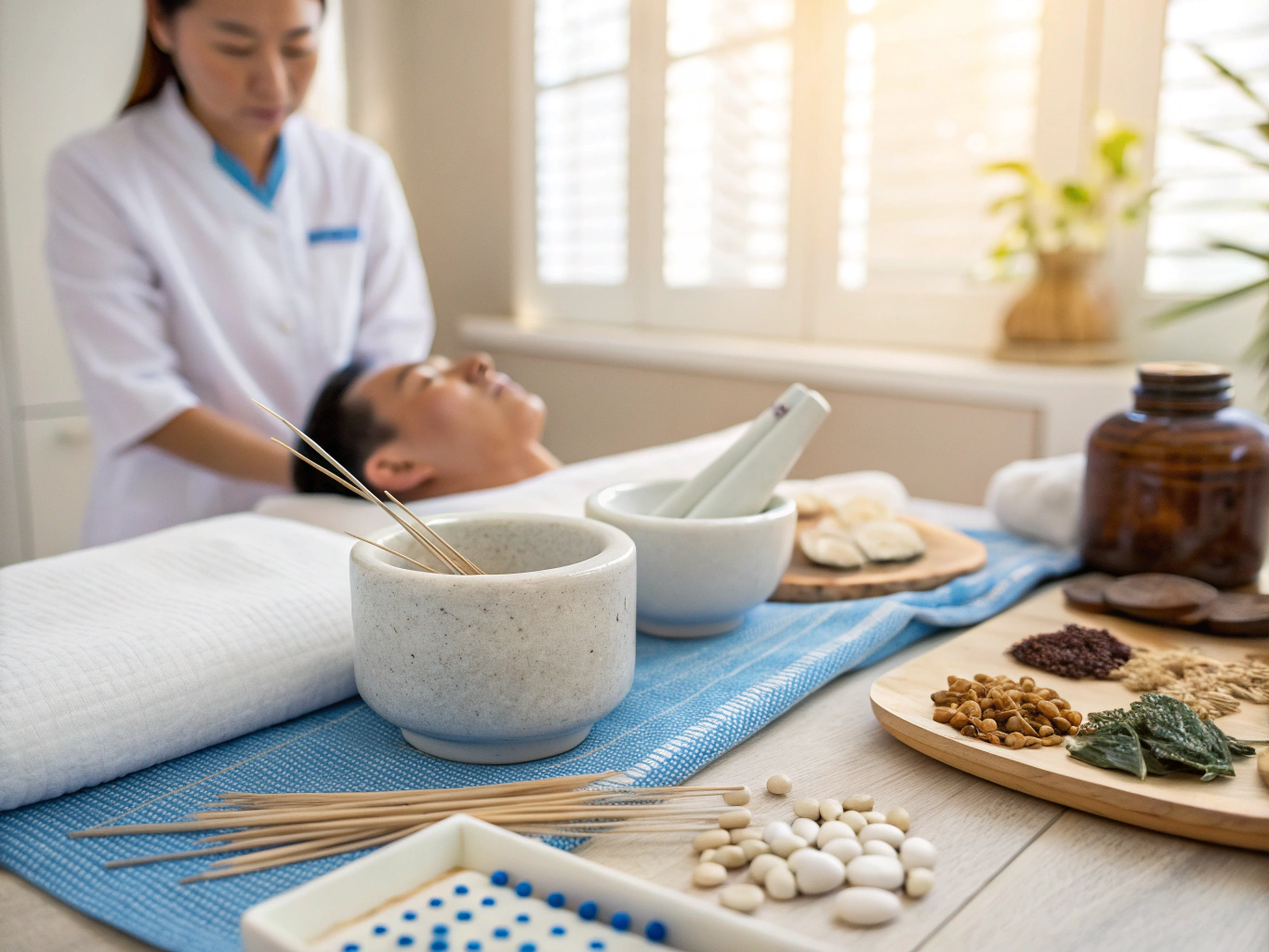
The temporomandibular joint connects your jaw to your skull, allowing for the complex movements needed for speaking, chewing, and yawning. When this joint becomes inflamed or the surrounding muscles tighten chronically, it can trigger a cascade of symptoms that affect your entire head and neck. From a Traditional Chinese Medicine perspective, TMJ disorders often result from blocked energy flow and accumulated tension in specific meridian pathways.
Acupuncture massage therapy works by releasing these blockages while simultaneously relaxing the physical muscle tissue. This dual approach addresses both the energetic imbalances and the mechanical dysfunction that perpetuate jaw problems.
Common Causes of TMJ and Chronic Jaw Tension
Understanding what triggers your jaw tension helps create more effective treatment strategies. Many factors contribute to TMJ disorders, often working together to create persistent discomfort. Identifying these patterns allows practitioners to develop targeted acupuncture massage protocols.
1. Bruxism and Nighttime Teeth Grinding
Unconscious teeth grinding during sleep places enormous pressure on jaw muscles and joints. This repetitive strain creates inflammation and muscle fatigue that persists throughout the day.
2. Poor Posture and Forward Head Position
Extended computer work and smartphone use create forward head posture that strains neck muscles connected to the jaw. This postural imbalance forces jaw muscles to work harder to maintain proper alignment.
3. Chronic Stress and Emotional Tension
Psychological stress manifests physically through jaw clenching and facial muscle tension. The nervous system remains in a heightened state, preventing natural muscle relaxation.
4. Dental Issues and Bite Problems
Misaligned teeth or poorly fitting dental work can force the jaw into unnatural positions. This compensation pattern creates muscle imbalances and joint dysfunction over time.
5. Previous Jaw Injuries or Trauma
Past injuries to the face, jaw, or neck can create scar tissue and altered movement patterns. These changes affect normal jaw mechanics and contribute to ongoing tension.
6. Dietary Habits and Chewing Patterns
Frequent gum chewing, eating hard foods, or favoring one side while eating can overwork specific muscle groups. These repetitive patterns contribute to muscle fatigue and joint stress.
How Acupuncture Massage Therapy Addresses TMJ Pain

Acupuncture massage combines the targeted point stimulation of acupuncture with hands-on muscle release techniques. This integrated approach works on multiple levels to reduce inflammation, improve circulation, and restore normal muscle function. The treatment addresses both local symptoms and systemic patterns that contribute to jaw tension.
At Acupuncture Colorado Springs, we begin each session with a thorough assessment of your jaw mechanics, posture, and stress patterns. This evaluation helps us design a personalized treatment plan that addresses your specific triggers and symptoms.
1. Nervous System Regulation
Acupuncture points calm the sympathetic nervous system, reducing the fight-or-flight response that keeps muscles chronically tense. This neurological shift allows natural relaxation to occur throughout the jaw and facial muscles.
2. Direct Muscle Release
Massage therapy techniques target the masseter, temporalis, and pterygoid muscles that control jaw movement. Direct pressure and stretching help release knots and restore normal muscle length.
3. Improved Blood Flow and Healing
Both acupuncture and massage increase local circulation, bringing fresh oxygen and nutrients to inflamed tissues. Enhanced blood flow accelerates the healing process and reduces swelling around the TMJ.
4. Fascial Release and Mobility
Massage techniques address the connective tissue surrounding jaw muscles, improving overall mobility and reducing restrictions. This fascial work helps restore natural movement patterns.
5. Trigger Point Deactivation
Specific acupuncture points and massage techniques target trigger points that refer pain to the jaw, temples, and neck. Deactivating these points provides widespread relief from TMJ symptoms.
What to Expect During an Acupuncture Massage Session
Your first visit includes a comprehensive evaluation of your jaw function, medical history, and lifestyle factors contributing to tension. We assess your bite, range of motion, and identify specific muscle groups that need attention. This thorough approach ensures your treatment plan addresses all relevant factors.
Some practitioners combine gentle acupuncture point stimulation with targeted massage work both inside and outside the mouth. Most patients find the experience deeply relaxing once they adjust to the initial sensations.
1. Initial Assessment and History
We discuss your symptoms, triggers, and previous treatments to understand your unique pattern. This conversation helps identify contributing factors like stress, sleep position, or dietary habits.
2. Physical Examination
Gentle palpation of jaw muscles, neck, and shoulders reveals areas of tension and inflammation. We also assess your jaw opening, side-to-side movement, and any clicking or popping sounds.
3. Acupuncture Point Selection
Based on your assessment, we select specific points on the face, hands, and body to address your symptoms. These points work together to calm the nervous system and reduce muscle tension.
4. Massage Therapy Integration
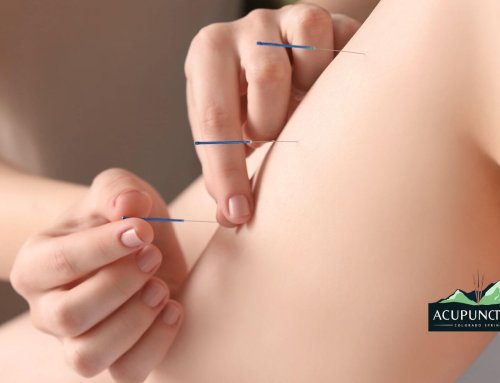
Some practitioners use gentle massage techniques on external jaw muscles and surrounding areas while acupuncture needles remain in place. This combination maximizes the therapeutic effect of both modalities.
5. Intraoral Massage Techniques
Some practitioners use gentle massage inside the mouth to target muscles that cannot be reached externally. This specialized technique requires proper training and sterile procedures.
6. Treatment Completion and Home Care
Each session concludes with personalized recommendations for home care, including specific exercises and stress management techniques. We also schedule follow-up appointments based on your response to treatment.
Timeline for TMJ Relief With Acupuncture Massage
Most patients notice some improvement after their first session, though lasting relief typically develops over several treatments. The timeline varies based on how long you’ve had symptoms and contributing factors like stress levels or dental issues. Acute TMJ flares often respond more quickly than chronic, long-standing tension patterns.
| Treatment Phase | Timeline | Expected Changes |
|---|---|---|
| Initial Relief | 1-2 sessions | Reduced muscle tension, improved sleep |
| Significant Improvement | 3-4 sessions | Less jaw clenching, fewer headaches |
| Stabilization | 6-8 sessions | Improved jaw function, reduced pain episodes |
| Maintenance | Monthly or as needed | Prevention of symptom return |
We typically recommend an initial series of treatments scheduled close together, then gradually spacing appointments as symptoms improve. This approach allows us to build momentum while your nervous system learns new, healthier patterns.
Home Care Strategies to Support Your Treatment
Professional treatment works best when combined with consistent home care practices. These simple techniques help maintain the progress made during your treatment sessions and prevent tension from building up between appointments. The key is developing sustainable habits that fit into your daily routine.
We provide personalized home care recommendations based on your specific triggers and lifestyle factors. These strategies become more effective as you practice them regularly and learn to recognize early signs of tension.
1. Heat Therapy and Warm Compresses
Apply moist heat to jaw muscles for 15-20 minutes before bed to promote relaxation. Warm compresses increase blood flow and help muscles release naturally.
2. Gentle Jaw Stretching Exercises
Simple opening and side-to-side movements help maintain mobility and prevent stiffness. Perform these exercises slowly and stop if you experience pain.
3. Tongue-on-Palate Relaxation Technique
Rest your tongue gently on the roof of your mouth with lips closed and teeth slightly apart. This position naturally relaxes jaw muscles and can be used throughout the day.
4. Sleep Position Modifications
Sleep on your back or use a supportive pillow to maintain neutral neck alignment. Avoid sleeping on your stomach, which can strain neck and jaw muscles.
5. Stress Management Practices
Regular meditation, deep breathing, or gentle yoga help address the underlying stress that contributes to jaw tension. Even five minutes of daily practice can make a significant difference.
6. Dietary Modifications
Temporarily avoid hard, chewy foods during acute flares and cut food into smaller pieces. Stay hydrated and limit caffeine, which can increase muscle tension.
Why Choose Professional Acupuncture Massage for TMJ
While home care strategies provide valuable support, professional treatment addresses the complex patterns underlying TMJ disorders more effectively. Licensed acupuncturists have specialized training in facial anatomy and safe needle placement around sensitive areas. Massage therapy requires specific techniques to access deep jaw muscles without causing additional strain.
At Acupuncture Colorado Springs, we combine David W. Armstrong’s extensive experience with evidence-based techniques tailored to each patient’s needs. Our integrated approach addresses not just your jaw symptoms, but the whole-body patterns that contribute to tension and pain.
Conclusion
Acupuncture massage offers a natural, effective approach to TMJ relief that addresses both symptoms and underlying causes. Professional treatment combined with consistent home care can help you reclaim comfortable jaw function and reduce chronic facial tension. Contact Acupuncture Colorado Springs today to schedule your personalized TMJ assessment and begin your journey toward lasting relief.
Acupuncture Colorado Springs offers acupuncture to relieve TMJ pain naturally. Our personalized treatments target jaw tension at its root cause. Learn more about our holistic approach today.
FAQs
What Is Acupuncture Massage?
Acupuncture massage typically refers to hands-on bodywork that targets acupuncture points and related muscle tension to help reduce pain and improve function. Depending on the practitioner, it may include therapeutic massage, acupressure-style point work, and techniques like cupping—often paired with acupuncture when appropriate for TMJ and jaw tension relief.
Does Acupuncture Massage Work?
It can help many people by relaxing tight jaw, neck, and shoulder muscles, calming the nervous system, and improving circulation—factors commonly involved in TMJ-related tension and headaches. Results vary by person, but our board-certified Traditional Chinese Medicine approach focuses on both symptom relief and the underlying pattern driving your jaw tension.
What Is the Difference Between Acupuncture And Acupressure Massage?
Acupuncture uses sterile, single-use needles inserted at specific points to influence pain, muscle tone, and regulation in the body. Acupressure massage uses finger, thumb, or tool pressure on similar points without needles; it’s often gentler and may be preferred if you’re needle-averse, while acupuncture can provide a stronger or more targeted effect for some conditions.
How Much Does An Acupuncture Massage Cost?
Pricing depends on the length of the session and whether your care includes acupuncture, cupping, or herbal guidance. For the most accurate cost, contact Acupuncture Colorado Springs at our Colorado Springs clinic to discuss your goals and we’ll recommend a clear, personalized plan.
Is Acupuncture Massage Safe?
When performed by a properly licensed professional, it’s generally safe. We follow Colorado safety and hygiene standards and use sterile, single-use needles for acupuncture. Pressure-based techniques should be tailored to your comfort—especially important for sensitive TMJ areas.