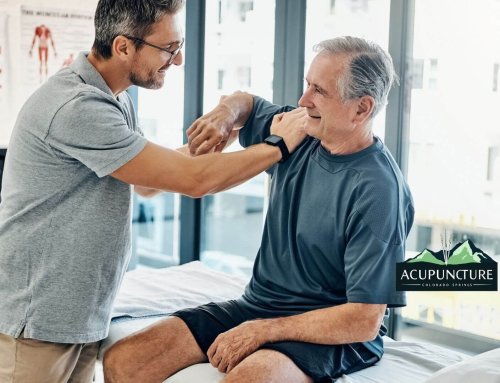
Muscle spasms can sideline even the most dedicated athletes. Whether you’re training for a marathon at high altitude, recovering from a weekend mountain bike ride, or dealing with chronic tightness from repetitive motion, those sudden, involuntary contractions disrupt performance and slow recovery. Acupuncture offers a natural, evidence-informed approach to reducing muscle spasms by addressing both the immediate discomfort and the underlying patterns that cause them.
This article explores how acupuncture supports muscle recovery, reduces pain, and helps athletes in Colorado Springs maintain peak performance without relying solely on medications or invasive procedures. You’ll learn what causes muscle spasms, how acupuncture works to relieve them, and what to expect when you visit our clinic for sports-focused care.
Key Takeaways
- Acupuncture reduces muscle spasms by improving blood flow, releasing tension, and calming overactive nerve signals.
- Research shows acupuncture can significantly reduce pain intensity and improve physical function in athletes with chronic muscle and joint issues.
- Treatment frequency and duration matter—consistent sessions over several weeks yield the best results for muscle recovery and injury prevention.
- Acupuncture Colorado Springs offers personalized, root-cause-focused care tailored to the unique demands of athletes training at high altitude.
- Combining acupuncture with cupping and Chinese herbal support can enhance recovery and reduce the risk of future spasms.
Why Athletes Experience Muscle Spasms
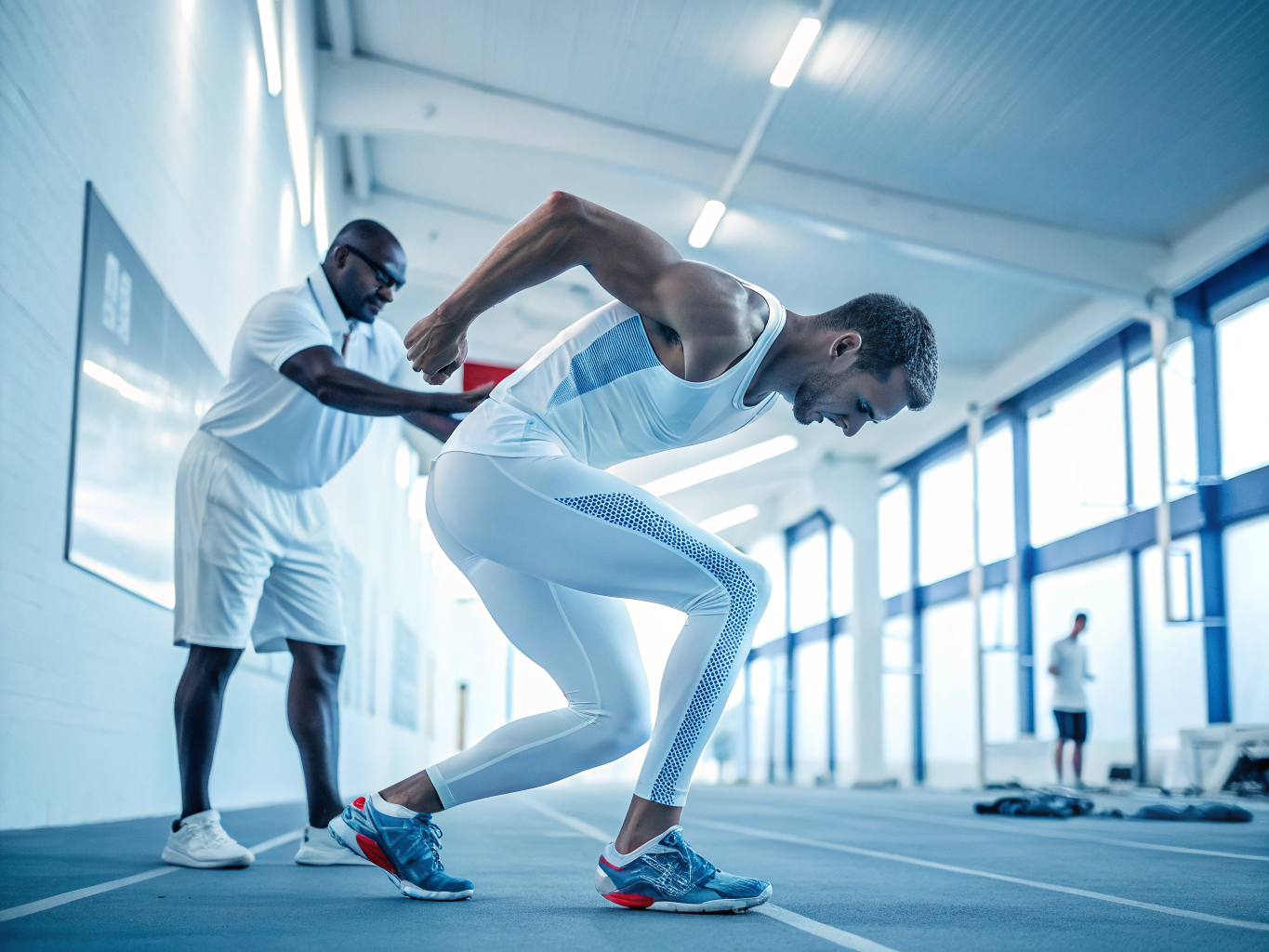
Muscle spasms happen when muscle fibers contract involuntarily and fail to relax. For athletes, this can occur during or after intense exercise, especially in dry, high-altitude environments such as Colorado Springs, where dehydration and electrolyte imbalances are common. Overtraining, poor warm-up routines, and repetitive strain on specific muscle groups also contribute to spasm frequency.
The body’s response to fatigue and muscle microtears can trigger protective spasms. When muscles are overworked, they accumulate metabolic waste products like lactic acid, which irritate nerve endings and cause involuntary contractions. Tight fascia, restricted blood flow, and poor biomechanics compound the problem, creating a cycle of tension and pain that limits range of motion and performance.
Chronic stress and poor sleep quality also play a role. When your nervous system stays in a heightened state, muscles remain partially contracted even at rest, making them more prone to sudden spasms during activity. Athletes juggling training schedules with work and family responsibilities often find that mental stress amplifies physical tension, creating a pattern that’s difficult to break without targeted intervention.
How Acupuncture Addresses Muscle Spasms and Pain Management
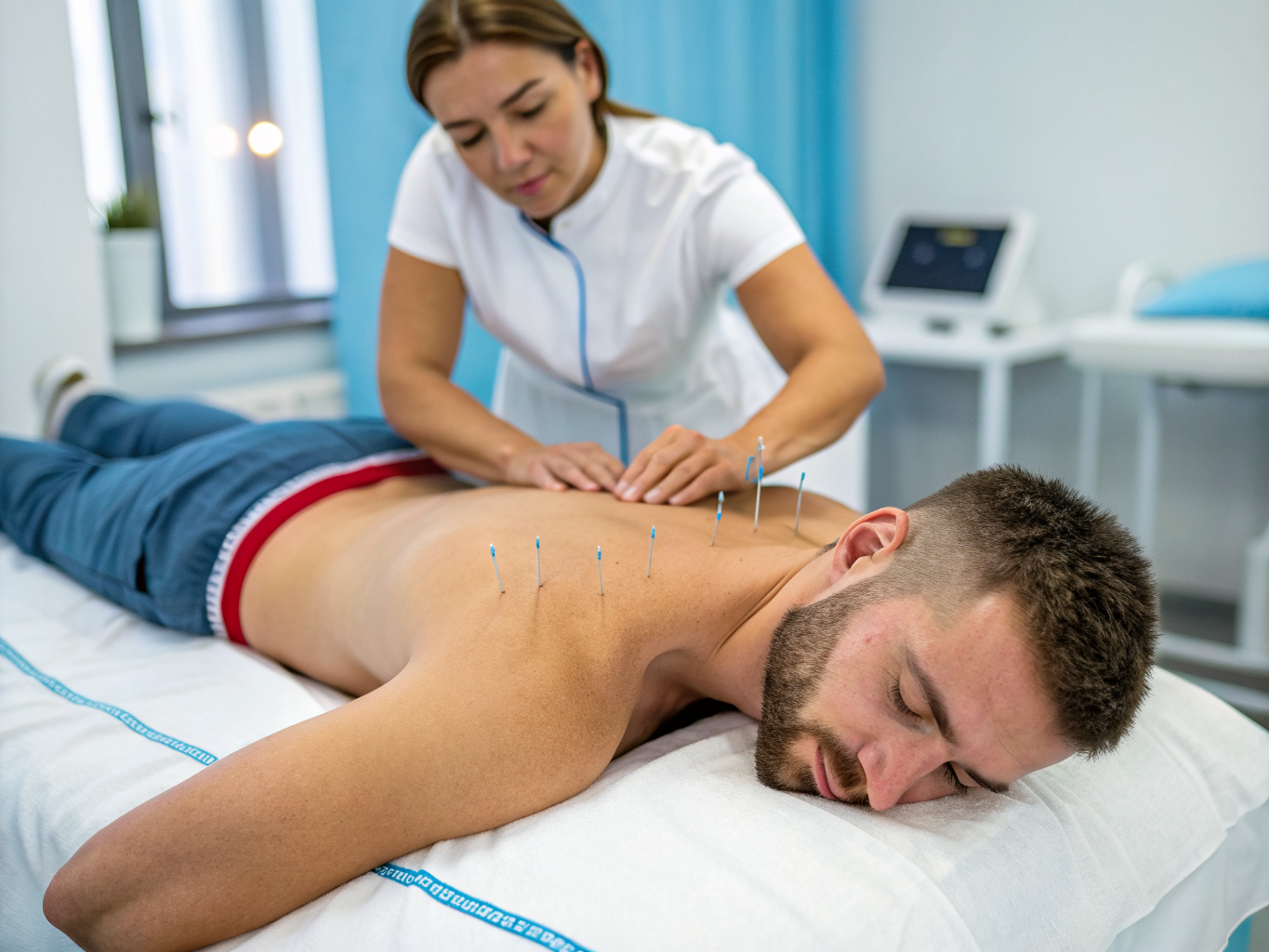
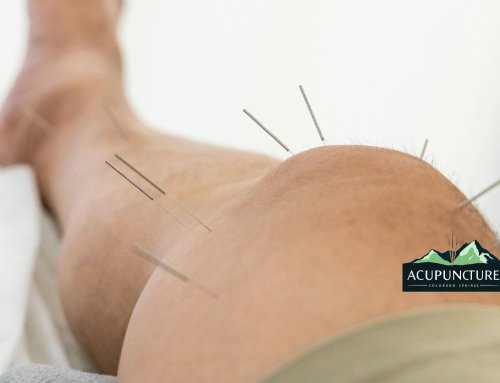
Acupuncture helps manage muscle spasms and pain by stimulating specific points that influence the nervous system and local tissue response. When a sterile, single-use needle is placed at a precise location, it can relax tight muscle fibers, support circulation, and reduce inflammatory signaling tied to pain. It also helps regulate how pain signals are processed, reducing discomfort intensity and improving movement quality over time.
- Stimulates targeted points to calm the nervous system and reduce protective muscle guarding
- Encourages circulation to affected tissues, supporting oxygen delivery and recovery
- Helps relax tight muscle fibers and reduce spasm intensity in overworked areas
- Promotes the release of natural pain-relieving chemicals that modulate pain perception
- Can reduce inflammation-related sensitivity that contributes to ongoing pain cycles
- Supports improved range of motion and function, especially when care is consistent
- Helpful for both acute flare-ups and chronic tension patterns that keep returning
- May reduce reliance on frequent anti-inflammatory medication for some patients
- Fits well into athletic recovery plans by supporting a faster reset between training sessions
For athletes and active individuals, this approach can mean less downtime, better training consistency, and fewer recurring pain patterns. Instead of only masking symptoms, acupuncture can help regulate the underlying muscle and nerve drivers that feed spasms and pain. With a well-structured treatment plan and smart recovery habits, many people notice steadier relief and improved performance over time.
Evidence-Informed Benefits of Acupuncture for Athletic Recovery
Clinical research supports acupuncture as a useful tool for pain reduction and functional improvement in active individuals. Studies and meta-analyses on conditions such as sciatica, chronic low back pain, and knee pain show meaningful reductions in pain intensity and improvements in physical function when treatment is delivered consistently. While much of the research focuses on clinical populations, the same core mechanisms—improved circulation, reduced inflammatory signaling, and balanced nerve activity—map well to athletic recovery needs.
1. Improved Circulation and Nutrient Delivery
Acupuncture increases local blood flow to treated areas, which helps deliver oxygen and nutrients to fatigued muscles while clearing metabolic waste products. This enhanced circulation speeds recovery and reduces the likelihood of future spasms.
2. Reduced Muscle Tension and Trigger Points
Needling specific points releases myofascial trigger points—tight knots within muscle tissue that refer pain to other areas. Releasing these trigger points restores normal muscle function and reduces compensatory tension in surrounding tissues.
3. Modulation of Nervous System Activity
Acupuncture calms overactive sympathetic nervous system responses, helping muscles relax and reducing the frequency of involuntary contractions. This is especially helpful for athletes whose training stress keeps their bodies in a heightened state.
4. Natural Pain Relief Without Side Effects
By stimulating the release of endogenous opioids and other pain-modulating chemicals, acupuncture provides effective pain management with acupuncture without the gastrointestinal, liver, or kidney risks associated with long-term use of NSAIDs or other pain medications.
5. Enhanced Flexibility and Range of Motion
Regular acupuncture sessions help maintain soft tissue flexibility, which is critical for injury prevention. Athletes who incorporate acupuncture into their training routines often report better mobility and fewer movement restrictions.
6. Support for Injury Prevention and Long-Term Performance
Addressing underlying imbalances—such as muscle weakness, poor biomechanics, or chronic inflammation—reduces the risk of acute injuries and overuse syndromes. Acupuncture helps athletes stay in the game longer by supporting the body’s natural healing and adaptation processes.
The biggest takeaway is that acupuncture tends to work best as a consistent recovery strategy instead of a one-time fix. Frequency and duration matter, especially for chronic tightness, overuse pain, or recurring spasms that don’t fully resolve with rest alone. When paired with smart training load management and rehab habits, acupuncture can support steadier performance and fewer setbacks over time.
Integrating Acupuncture Into Your Training and Recovery Routine
Consistency is key when using acupuncture for muscle spasm relief and back pain relief. Most athletes start with sessions twice per week for the first few weeks, then transition to weekly or bi-weekly maintenance visits as symptoms improve. This schedule allows your body to build on the benefits of each session, creating lasting changes in muscle tone, circulation, and nervous system balance.
Timing your acupuncture sessions around your training cycle can maximize results. Some athletes prefer to schedule treatments the day after hard workouts or long runs, using acupuncture as a recovery tool to reduce soreness and prevent spasms. Others find that pre-competition sessions help them feel loose, balanced, and ready to perform. We’ll work with you to find the timing that best supports your goals and fits your schedule.
Combining acupuncture with other recovery strategies—such as proper hydration, stretching, foam rolling, and adequate sleep—creates a comprehensive approach to injury prevention and performance optimization. At our clinic, we often recommend simple self-care practices you can do at home, like gentle stretching routines or breathing exercises that support the work we do during your sessions. This integrative approach helps you take an active role in your recovery and builds resilience that carries over into every aspect of your training.
Why Colorado Springs Athletes Choose Acupuncture for Muscle Recovery
Training at high altitude presents unique challenges. The dry air, lower oxygen levels, and intense sun exposure increase the risk of dehydration and electrolyte imbalance, both of which contribute to muscle cramping and spasms. Colorado Springs athletes—whether they’re trail runners, cyclists, climbers, or CrossFit enthusiasts—often deal with chronic tightness and overuse injuries that don’t respond well to rest alone.
Acupuncture offers a natural, non-invasive solution that addresses these challenges without adding to the medication burden many athletes already carry. Instead of masking pain or forcing your body to push through dysfunction, acupuncture supports your body’s innate ability to heal, adapt, and perform. This approach resonates with athletes who value long-term health and sustainable performance over quick fixes.
Local athletes also appreciate the personalized care model we use at Acupuncture Colorado Springs. Every treatment plan is designed around your specific needs, goals, and training demands. We don’t use generic protocols or one-size-fits-all approaches. Instead, we take the time to understand your body, your sport, and your lifestyle so we can deliver care that truly makes a difference. Our calm, welcoming clinic environment provides a space where you can reset, recover, and reconnect with your body’s natural rhythms—something that’s often missing in the fast-paced, high-stress culture of competitive athletics.
Real-World Applications: How Athletes Use Acupuncture to Stay Competitive
Competitive runners often use acupuncture to manage chronic hamstring tightness, calf spasms, and plantar fasciitis. By addressing muscle imbalances and improving circulation to overworked tissues, acupuncture helps them maintain consistent mileage without recurring injuries. Some runners schedule sessions during taper weeks before races, using acupuncture to fine-tune their bodies and ensure they feel fresh and ready on race day.
Cyclists and mountain bikers benefit from acupuncture’s ability to release tension in the lower back, hips, and quads—areas that take a beating during long rides and technical descents. Regular treatment helps them maintain flexibility and power output throughout the season, reducing the risk of overuse injuries that could force time off the bike.
Climbers and CrossFit athletes use acupuncture to manage shoulder, forearm, and grip-related issues. These sports demand repetitive, high-intensity movements that can lead to chronic tightness and spasms in smaller muscle groups. Acupuncture helps release fascial restrictions and restore normal muscle function, allowing these athletes to train hard without compromising long-term joint health.
Getting Started With Acupuncture for Muscle Spasms in Colorado Springs
If you’re ready to explore how acupuncture can support your recovery and performance, the first step is to schedule a consultation. During this initial visit, we’ll discuss your training routine, injury history, and specific concerns related to muscle spasms or tightness. We’ll perform a brief physical assessment to identify areas of tension and restricted movement, and we’ll explain how acupuncture can address these issues based on your individual needs.
From there, we’ll design a treatment plan that fits your schedule and goals. Most athletes start with twice-weekly sessions for the first few weeks, then transition to a maintenance schedule as symptoms improve. We’ll also discuss complementary therapies—such as cupping or herbal support—that may enhance your results and speed recovery.
Our clinic is conveniently located at 2525 W Pikes Peak Ave, Suite B, Colorado Springs, CO 80904, and we serve athletes throughout El Paso County, including Manitou Springs, Old Colorado City, and Woodland Park. We’re committed to making your care accessible, professional, and effective.
Conclusion
Acupuncture offers athletes a safe, natural way to reduce muscle spasms, improve recovery, and maintain peak performance without relying on medications or invasive procedures. By addressing root causes and supporting your body’s innate healing capacity, acupuncture helps you train harder, recover faster, and stay in the game longer.
Acupuncture Colorado Springs offers personalized acupuncture treatments that target muscle spasms and accelerate athletic recovery. Our board-certified practitioner creates custom care plans for Colorado Springs athletes. Learn more today.
FAQs
Does Acupuncture Help With Muscle Spasms?
Yes. Acupuncture can help reduce muscle spasms by calming an overactive nervous system, improving local circulation, and decreasing pain signaling—often helping the muscle “let go.” At Acupuncture Colorado Springs, we tailor treatment to the root cause (overuse, strain, stress, dehydration, or underlying imbalance) to support both faster relief and fewer recurrences.
How Many Acupuncture Sessions Are Needed For Muscle Spasms?
It depends on severity, how long the spasms have been happening, and training load. Acute spasms may improve in 1–3 visits, while recurring or chronic issues often need a short series (commonly 4–8 sessions) plus a maintenance plan as needed. We’ll recommend a schedule based on your exam findings and athletic goals.
Where Do They Put Needles For Muscle Spasms?
Needles may be placed locally around the affected muscle group and also at distal points that regulate movement, pain, and recovery. The exact locations depend on which muscles are involved (e.g., calf, hamstring, back, shoulder) and what’s driving the spasm pattern. Your treatment is selected after a focused assessment, not a generic point set.
Is Acupuncture Good For Muscle Knots And Tight Muscles?
Often, yes. Acupuncture can help release tight bands and “knots” by reducing protective guarding, improving tissue perfusion, and normalizing neuromuscular tone. We may also incorporate cupping when appropriate to help restore mobility and speed recovery.
What Are The Side Effects Of Acupuncture For Muscle Pain?
Most side effects are mild and short-lived, such as temporary soreness, light bruising, or fatigue; some people feel relaxed or sleepy afterward. Rare risks include fainting or infection, which is minimized by proper screening and sterile, single-use needles. Our clinic follows Colorado safety and hygiene standards and will review what to expect before treatment.