Struggling to fall asleep despite feeling exhausted? Your body’s energy pathways, known as meridians in Traditional Chinese Medicine, may hold clues to why your mind races when your head hits the pillow. These invisible channels that flow throughout your body can influence everything from muscle tension to digestive comfort—both crucial factors for quality rest.
This guide explores how meridians of the body connect to sleep patterns and offers gentle, evidence-informed approaches to support your natural ability to unwind. You’ll discover practical techniques to work with these pathways and learn when professional support might help address deeper sleep challenges.
Key Takeaways
- Body meridians are energy pathways that Traditional Chinese Medicine links to various physical and emotional states affecting sleep quality.
- Common sleep disruptions often correlate with specific meridian imbalances, including digestive discomfort and muscle tension.
- Simple acupressure techniques and gentle practices can support meridian flow to promote relaxation.
- professional acupuncture treatment may help address persistent sleep issues through targeted meridian work.
- Sleep hygiene basics remain essential alongside meridian-focused approaches for optimal rest.
Why Your “Wired-at-Night” Body Won’t Settle Down

Your nervous system operates like a complex network of highways, with some routes promoting alertness and others encouraging rest. When these pathways become imbalanced, your body struggles to transition from active daytime mode to restorative sleep. The result? Racing thoughts, physical tension, and that frustrating feeling of being tired but unable to actually fall asleep.
Colorado Springs’ high altitude and dry climate can intensify these challenges. Many of our patients report feeling more “wired” at elevation, where the body works harder to maintain oxygen levels. Common signs your internal pathways need support include:
- Mind racing despite physical exhaustion
- muscle tension that persists even when lying down
- Digestive discomfort that worsens at bedtime
- Frequent wake-ups between 1-3 AM
- Waking up feeling unrefreshed despite adequate sleep time
- Temperature regulation issues—feeling too hot or cold
These patterns often reflect what Traditional Chinese Medicine describes as disrupted flow along specific meridians. While modern research continues exploring the anatomical basis for these pathways, many people find relief through meridian-focused approaches. Let’s explore what these energy channels actually represent and how they might influence your sleep.
A Simple Map of Energy Pathways That Affect Sleep
Meridians of the body are channels through which life energy, or qi, flows according to Traditional Chinese Medicine principles. Think of them as invisible rivers running beneath your skin, each connected to specific organs and functions. Modern research suggests these pathways may correlate with connective tissue and fascial lines throughout the body.
The human body contains 12 primary meridians, each paired and mirrored on both sides. These channels follow predictable routes along your limbs, trunk, and head. Key meridians that influence sleep patterns include:
1. Heart and Small Intestine Meridians
These pathways govern circulation and emotional regulation. When balanced, they support calm mental states conducive to rest.
2. Kidney and Bladder Meridians
The kidney location in body corresponds to deep energy reserves and hormonal balance. These meridians influence your ability to maintain steady sleep throughout the night.
3. Liver and Gallbladder Meridians
These channels affect stress processing and muscle tension. Imbalances often manifest as 1-3 AM wake-ups or difficulty unwinding after stressful days.
4. Stomach and Spleen Meridians
Digestive meridians impact how your body processes food and manages blood sugar overnight. Poor flow here can cause restless sleep or early morning waking.
5. Lung and Large Intestine Meridians
These pathways influence breathing patterns and elimination. Colorado’s dry air particularly affects these channels, potentially disrupting sleep quality.
At Acupuncture Colorado Springs, we assess how these pathways might be affecting your individual sleep patterns. Our approach combines traditional meridian mapping with modern understanding of nervous system function to create personalized treatment plans. Next, we’ll examine how your body signals meridian imbalances through specific nighttime symptoms.
Nighttime Clues Your Body Gives Through Specific Channels
Your body communicates meridian imbalances through predictable patterns, especially during sleep hours. These signals aren’t diagnostic tools, but they can guide you toward supportive practices. Traditional Chinese Medicine associates different time periods with specific meridian activity, creating a natural rhythm throughout the night.
Pay attention to when sleep disruptions occur and what physical sensations accompany them. This timing often corresponds to particular energy pathways.
9 PM – 11 PM: Triple Heater Meridian
Difficulty falling asleep during these hours may indicate temperature regulation issues or overstimulation. You might feel too warm, restless, or unable to quiet racing thoughts.
11 PM – 1 AM: Gallbladder Meridian
Waking or feeling agitated during this window often connects to stress processing and decision-making fatigue. muscle tension, particularly in the neck and shoulders, frequently accompanies these disruptions.
1 AM – 3 AM: Liver Meridian
This is the most common time for stress-related wake-ups. The liver meridian governs emotional processing and detoxification. Waking with frustration, anger, or anxiety often signals imbalance here.
3 AM – 5 AM: Lung Meridian
Early morning waking with breathing difficulties, dry throat, or sadness may indicate lung meridian disruption. Colorado’s altitude can particularly affect these patterns.
5 AM – 7 AM: Large Intestine Meridian
Waking too early with digestive discomfort or elimination urgency often reflects large intestine meridian activity. This can disrupt the final, most restorative sleep phases.
Physical symptoms that accompany these timing patterns include:
- Digestive discomfort or bloating
- Headaches or jaw tension
- Hot flashes or night sweats
- Muscle aches in specific body regions
- Breathing irregularities
- Emotional intensity or vivid dreams
Understanding these patterns helps identify which pressure points on the body might offer relief through gentle self-care practices.
Gentle At-Home Practices to Support Rest Along Key Pathways
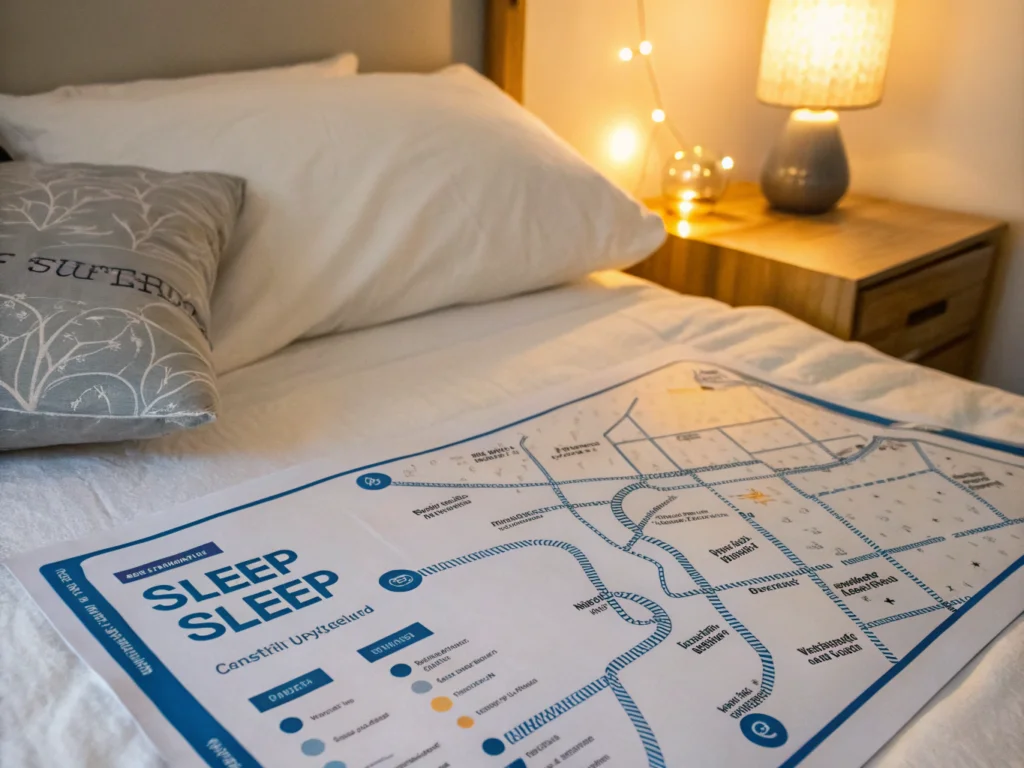
Working with meridians doesn’t require needles or extensive training. Simple techniques can help encourage healthy energy flow and support your body’s natural transition to sleep. These practices work best as part of a consistent evening routine, ideally starting 30-60 minutes before bedtime.
Focus on gentle, sustained pressure rather than intense stimulation. Your goal is to encourage relaxation, not create additional stimulation.
Acupressure Points for Sleep Support
- Yintang (Third Eye Point): Located between your eyebrows, this point helps calm mental activity. Apply gentle pressure with your middle finger for 1-2 minutes while taking slow, deep breaths.
- Shenmen (Spirit Gate): Find this point on the pinky side of your wrist, in the crease where your hand meets your forearm. Light pressure here for 30-60 seconds per side may help ease anxiety and promote emotional calm.
- Kidney 1 (Bubbling Spring): Located on the sole of your foot, about one-third of the way down from your toes. Gentle massage here before bed can help ground excessive mental energy and support the kidney meridian’s role in deep rest.
Breathing Practices for Meridian Flow
The 4-7-8 breathing technique naturally supports lung meridian function while activating your parasympathetic nervous system. Inhale for 4 counts, hold for 7, exhale for 8. Repeat 4-6 cycles.
Belly breathing while focusing on the kidney location in body can help activate deeper energy reserves. Place one hand on your chest, one on your belly, and breathe so only the lower hand moves.
Gentle Movement and Stretching
Simple stretches that open meridian pathways can release physical tension while encouraging energy flow:
- Gentle neck rolls to address gallbladder meridian tension
- Side body stretches for liver meridian support
- Ankle circles to stimulate kidney and bladder pathways
- Gentle spinal twists while seated or lying down
Warmth and Comfort Practices
Warm compresses over the kidney area (lower back) can support these vital meridians while promoting physical relaxation. A warm foot soak stimulates multiple meridian endpoints and helps draw energy downward from an overactive mind.
Creating a simple wind-down sequence that incorporates these elements—perhaps 5 minutes of acupressure, followed by gentle stretching and breathing—can signal your meridians to shift toward rest mode.
While these practices offer valuable support, they work best when combined with proper sleep hygiene and professional guidance when needed.
When Meridians Aren’t the Whole Story
Meridian work supports sleep quality, but it’s not a cure-all for every sleep challenge. Persistent insomnia, sleep apnea, or severe anxiety require comprehensive evaluation and may need medical attention alongside complementary approaches. Understanding when to seek professional help ensures you address underlying health issues appropriately.
Sleep hygiene basics remain essential regardless of meridian balance. Your bedroom environment, screen time habits, caffeine intake, and sleep schedule all significantly impact rest quality. Red flags that warrant professional evaluation include:
- Loud snoring or breathing interruptions during sleep
- Severe anxiety or depression affecting daily function
- chronic pain preventing comfortable sleep positions
- Medications that interfere with natural sleep cycles
- Persistent insomnia lasting more than several weeks
- Daytime fatigue despite adequate sleep time
At our clinic, we often work alongside primary care providers and sleep specialists to address complex sleep issues. Our acupuncture treatments focus on supporting your body’s natural sleep mechanisms through targeted meridian work, while other professionals address medical conditions or sleep disorders.
A typical sleep-focused acupuncture session begins with detailed discussion about your sleep patterns, stress levels, and physical symptoms. We examine how human body meridians might be contributing to your specific challenges, then design a treatment plan that addresses your individual needs rather than following a generic protocol.
Conclusion
Your body’s meridian pathways offer valuable insights into sleep challenges and natural approaches to rest. Simple daily practices can support these energy channels while professional acupuncture addresses deeper imbalances. Quality sleep becomes achievable when you work with your body’s natural wisdom rather than against it.
Acupuncture Colorado Springs uses Traditional Chinese Medicine to restore your body’s natural sleep rhythms through meridian balancing. Our personalized treatments address the root causes of sleep disruption for lasting rest. Learn more about our holistic approach today.
FAQs
What Are the meridians of the body?
In Traditional Chinese Medicine (TCM), meridians are pathways that connect organs and tissues and help circulate Qi (vital energy) and blood throughout the body. They’re used clinically to understand patterns behind symptoms—like pain, stress, or sleep disruption—and to guide point selection in acupuncture.
How Many Meridians Are in the Body?
TCM describes 12 primary meridians paired with major organ systems, plus 8 “extraordinary” vessels that help regulate and balance the whole network. In practice, we assess which pathways are most involved for you and tailor treatment accordingly.
What Is the Function of Meridians in Acupuncture?
Meridians provide a map for choosing acupuncture points to influence specific functions—such as calming the nervous system, easing pain, improving digestion, or supporting sleep. By stimulating points along these pathways, acupuncture aims to restore healthy circulation and balance.
How Do Meridians Affect Health?
When meridian circulation is balanced, the body is better able to regulate pain, stress response, mood, digestion, and sleep. From a TCM perspective, many symptoms reflect an underlying pattern along certain meridians, which is why our clinic focuses on root-cause, individualized care rather than one-size-fits-all protocols.
Can Meridians Be Blocked?
TCM describes “blockage” as stagnation or deficiency—meaning Qi and blood aren’t moving or nourishing tissues as they should—often showing up as pain, tightness, irritability, fatigue, or restless sleep. Acupuncture, cupping, and therapeutic massage can help improve circulation along affected pathways and support the body’s natural reset.