Lower back pain affects millions of people every day, limiting movement, disrupting sleep, and reducing quality of life. Whether your discomfort stems from physical strain, hours of desk sitting, or the wear and tear of an active Colorado lifestyle, acupuncture offers a time-tested approach to relieving pain and restoring function. By stimulating specific acupuncture points for lower back pain, practitioners can help reduce inflammation, release muscle tension, and support the body’s natural healing processes.
This guide explains how acupuncture points work, which ones are most effective for lower back pain, and how you can use simple techniques at home to complement professional care. You’ll also learn when it’s time to seek help from a licensed acupuncturist and how personalized treatment plans can address the root causes of your pain.
Key Takeaways
- Acupuncture points for lower back pain target specific areas along the spine, hips, and legs to reduce pain and improve mobility.
- Key points include BL23, GV4, BL40, GB30, and BL60, each addressing different patterns of discomfort.
- Self-care techniques like acupressure can provide temporary relief between professional treatments.
- Professional acupuncture treatment offers personalized, root-cause-focused care for lasting results.
- Combining acupuncture with lifestyle adjustments and other therapies supports long-term back health.
Understanding How Acupuncture Points Relieve Lower Back Pain

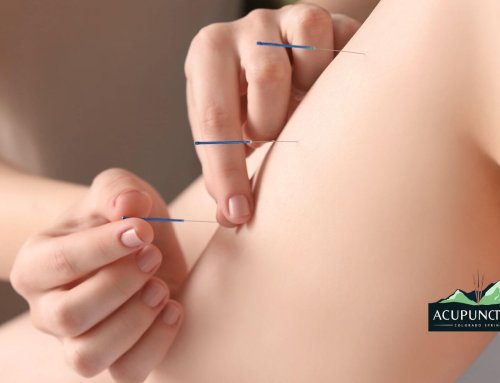
Acupuncture works by inserting thin, sterile needles into specific points on the body to stimulate nerves, muscles, and connective tissue. This stimulation encourages blood flow, reduces inflammation, and triggers the release of endorphins, your body’s natural pain relievers. For lower back pain, acupuncture points are chosen based on where you feel discomfort, what activities make it worse, and the underlying patterns identified during your consultation.
Traditional Chinese Medicine views lower back pain as a disruption in the flow of Qi (energy) and blood through the body’s meridians. When this flow is blocked or weakened, pain and stiffness develop. By needling specific acupuncture points for lower back pain, practitioners can restore balance, strengthen the lower back, and support the kidneys, which are believed to govern the health of the lumbar region.
Modern research supports these traditional principles. Studies show that acupuncture can reduce pain intensity, improve range of motion, and enhance overall function in people with chronic lower back pain. It’s a safe, non-invasive option that works well on its own or alongside other treatments, such as physical therapy, chiropractic care, or massage.
The Most Effective Acupuncture Points for Lower Back Pain
Certain acupuncture points are especially effective for relieving lower back pain. These points are located along the back, hips, legs, and even the hands and feet, reflecting the interconnected nature of the body’s meridian system. Here are the most commonly used points and what each one does.
1. BL23 (Kidney Shu)
Located on the lower back near the waist, about two finger-widths away from the spine at the level of the second lumbar vertebra, BL23 strengthens kidney energy and reduces lumbar pain. It’s especially helpful for dull, aching pain that worsens with fatigue or cold weather, common in Colorado’s dry, high-altitude climate.
2. GV4 (Ming Men)
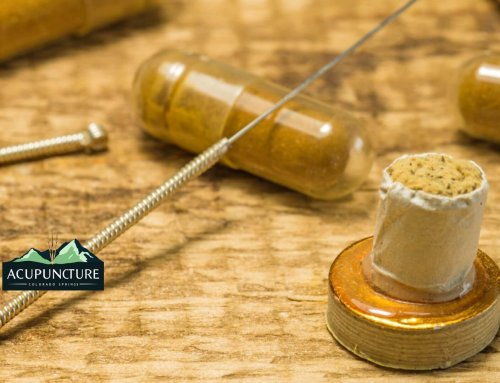
This point sits on the midline of the lower back, between the second and third lumbar vertebrae. GV4 improves energy flow, warms the lower back, and supports the spine’s structural integrity. It’s often used with moxibustion, a warming technique, to enhance its effects for chronic weakness or cold-type pain.
3. BL40 (Wei Zhong)
Found at the back of the knee, in the center of the crease, BL40 is known as the “commanding point” of the lower back. It eases tension, reduces sciatica symptoms, and improves flexibility. This point is particularly useful for sharp or radiating pain that travels down the leg.
4. GB30 (Huan Tiao)
Located on the outer hip, about one-third of the way between the hip bone and the tailbone, GB30 targets hip and leg pain that often accompanies lower back discomfort. It’s effective for pain that worsens with movement or prolonged sitting.
5. BL60 (Kun Lun)
This point lies behind the outer ankle bone, in the depression between the bone and the Achilles tendon. BL60 relieves sciatica, reduces stiffness, and supports the lower back by addressing pain that radiates down the leg and into the foot.
6. KI3 (Taixi)
Found on the inner ankle, in the depression between the ankle bone and the Achilles tendon, KI3 strengthens kidney energy and supports chronic lower back weakness. It’s especially helpful for pain that improves with rest and worsens with overexertion.
7. SP6 (San Yin Jiao)
Located on the inner leg, about four finger-widths above the ankle bone, SP6 is a powerful point for pelvic and hip pain, particularly in women. It supports the lower back by addressing hormonal imbalances and stress-related tension.
Addressing the Root Causes of Lower Back Pain

One of the key differences between acupuncture and conventional pain management is the focus on root causes. While pain medications and injections can provide temporary relief, they don’t address why your pain developed in the first place. Acupuncture takes a different approach, looking at the whole person and the underlying patterns that contribute to discomfort.
In Traditional Chinese Medicine, lower back pain is often linked to kidney weakness, blood stagnation, or cold and dampness in the lower back. These patterns can develop from overwork, stress, poor diet, lack of sleep, or exposure to cold and damp conditions. By identifying and addressing these root causes, acupuncture supports long-term healing, not just symptom relief.
For example, if your pain is related to kidney weakness, we might focus on strengthening points such as BL23 and KI3, along with dietary and lifestyle recommendations to support kidney health. If your pain is caused by muscle strain and blood stagnation, we’ll use points such as BL40 and GB30 to relieve tension and improve circulation. This personalized, root-focused approach is what makes acupuncture so effective for chronic conditions.
Supporting Your Lower Back Health at Home
Building lower back relief at home starts with the small choices you make every day, especially between acupuncture sessions. Simple habits like better posture, gentle movement, stress reduction, and hydration can reduce strain and help your body respond faster to care. When you pair consistent self-care with professional treatment, you give your body the best chance to recover and stay resilient.
| Acupuncture Point | Location | Primary Benefit |
|---|---|---|
| BL23 (Kidney Shu) | Lower back, near waist | Strengthens kidney energy, reduces lumbar pain |
| GV4 (Ming Men) | Midline lower back | Improves energy flow, warms the spine |
| BL40 (Wei Zhong) | Back of knee | Eases tension, reduces sciatica |
| GB30 (Huan Tiao) | Outer hip | Targets hip and leg pain |
| BL60 (Kun Lun) | Behind outer ankle | Relieves sciatica, reduces stiffness |
| KI3 (Taixi) | Inner ankle | Strengthens kidney energy, supports chronic weakness |
Keep your routine realistic: adjust your posture often, choose a low-impact activity you can repeat, and use calming practices that lower tension in your body. Fuel your recovery with steady hydration and nutrient-dense meals, especially in Colorado’s dry climate. If your pain persists, worsens, or starts traveling down the leg, pairing these habits with care from Acupuncture Colorado Springs can help you get a clearer plan and more lasting relief.
Why Choose Acupuncture Colorado Springs for Lower Back Pain
If you’re looking for safe, effective, and personalized care for lower back pain, Acupuncture Colorado Springs is here to help. Led by David W. Armstrong, L.Ac., a board-certified acupuncturist with decades of experience, we provide root-cause-focused treatment that blends traditional Chinese Medicine with modern, evidence-informed techniques.
We serve the greater Colorado Springs area, including Manitou Springs, Old Colorado City, Woodland Park, and surrounding communities in El Paso County. Our clinic is located at 2525 W Pikes Peak Ave, Suite B, Colorado Springs, CO 80904, and we operate in compliance with Colorado state laws and safety, hygiene, and licensing regulations.
Every treatment begins with a thoughtful conversation about your health history, lifestyle, and goals. We don’t use generic protocols or one-size-fits-all approaches. Instead, we design a plan that fits you, addressing the underlying patterns causing your pain and supporting both immediate relief and long-term wellness. Our calm, welcoming environment is designed to help you relax, reset, and reconnect with your body’s natural ability to heal.
Conclusion
Acupuncture points for lower back pain offer a safe, natural way to reduce discomfort, improve mobility, and support long-term health. Professional treatment provides the most effective results, especially when combined with self-care practices and lifestyle adjustments. If you’re ready to address the root causes of your pain and move toward a more balanced, pain-free life, we invite you to book an appointment at Acupuncture Colorado Springs today.
Acupuncture Colorado Springs offers personalized acupuncture treatment to relieve lower back pain at its root cause. Our board-certified practitioner creates custom care plans for lasting relief. Get started today.
FAQs
What Are the Best Acupuncture Points for Lower Back Pain?
Commonly used points include BL23 (Kidney Shu), BL25 (Large Intestine Shu), BL40 (Back of the Knee), BL60 (Ankle), GB30 (Hip), and GB34 (Outer Leg). The “best” points depend on the root pattern (for example, muscle strain vs. disc irritation vs. stress-related tension), so we select and combine points based on your symptoms, movement limits, and overall health picture.
Where Is The Pressure Point For Lower Back Pain?
A frequently used acupressure point is BL40, located at the center of the crease behind the knee; gentle, steady pressure for 30–60 seconds can help some people. Another commonly used area is BL60, in the depression between the outer ankle bone and the Achilles tendon. If pain is severe, radiating, or accompanied by numbness/weakness, it’s best to get evaluated rather than pushing on points.
Can Acupuncture Help Lower Back Pain And Sciatica?
Yes—acupuncture is often used to reduce pain, muscle guarding, and nerve irritation patterns associated with low back pain and sciatica. In our clinic, we tailor treatment to whether symptoms suggest lumbar joint/muscle involvement, nerve referral, or hip/piriformis-related compression, and may add cupping when appropriate.
How Many Acupuncture Sessions Are Needed For Lower Back Pain?
Many patients start with 1–2 visits per week for 2–4 weeks, then taper as pain and function improve; acute flare-ups may respond faster, while chronic or recurrent issues usually take longer. After your first visit, we’ll recommend a clear plan based on how long you’ve had symptoms, severity, and how your body responds to the initial treatment.
Is Acupuncture Safe For Lower Back Pain?
Acupuncture is generally very safe when performed by a licensed, board-certified practitioner using sterile, single-use needles and proper technique. Typical side effects are mild (temporary soreness or small bruising). We review your health history and medications and adjust treatment for pregnancy, blood thinners, or complex spine conditions to keep care appropriate and safe.