Living with diabetic neuropathy means dealing with tingling in the hands and feet, burning sensations, and sometimes pain that makes everyday tasks difficult. Many people managing diabetes wonder if there are natural options to support nerve health without adding more medications to their routine. Acupuncture has emerged as a promising approach, backed by research, that offers a way to address nerve pain at its source while supporting overall circulation and function.
This article explores how diabetic neuropathy develops, what symptoms to watch for, and how acupuncture may help reduce discomfort and improve quality of life. You’ll also learn what to expect from treatment and how to find personalized care that fits your health goals right here in Colorado Springs.
Key Takeaways
- Diabetic neuropathy develops when high blood sugar damages nerves over time, often affecting the feet and hands first.
- Research shows acupuncture can reduce neuropathic pain and improve sensory function with fewer side effects than medications.
- Acupuncture works by stimulating blood flow, releasing natural pain-relieving chemicals, and calming nerve inflammation.
- Most patients need a series of treatments over several weeks to achieve meaningful symptom improvement.
- Combining acupuncture with blood sugar management and lifestyle changes supports the best long-term outcomes.
Understanding Diabetic Neuropathy and How It Affects Your Body
Diabetic neuropathy happens when consistently elevated blood sugar levels damage the small blood vessels that supply oxygen and nutrients to your nerves. Over time, this damage disrupts the way nerves communicate with your brain, leading to pain, numbness, and weakness. The condition most commonly affects the peripheral nerves in your feet and legs, though it can also impact hands, digestion, and other body systems.
The longer diabetes remains poorly controlled, the greater the risk of developing neuropathy. Other factors like high blood pressure, smoking, and alcohol use can accelerate nerve damage and make symptoms worse.
Common Symptoms of Diabetic Neuropathy
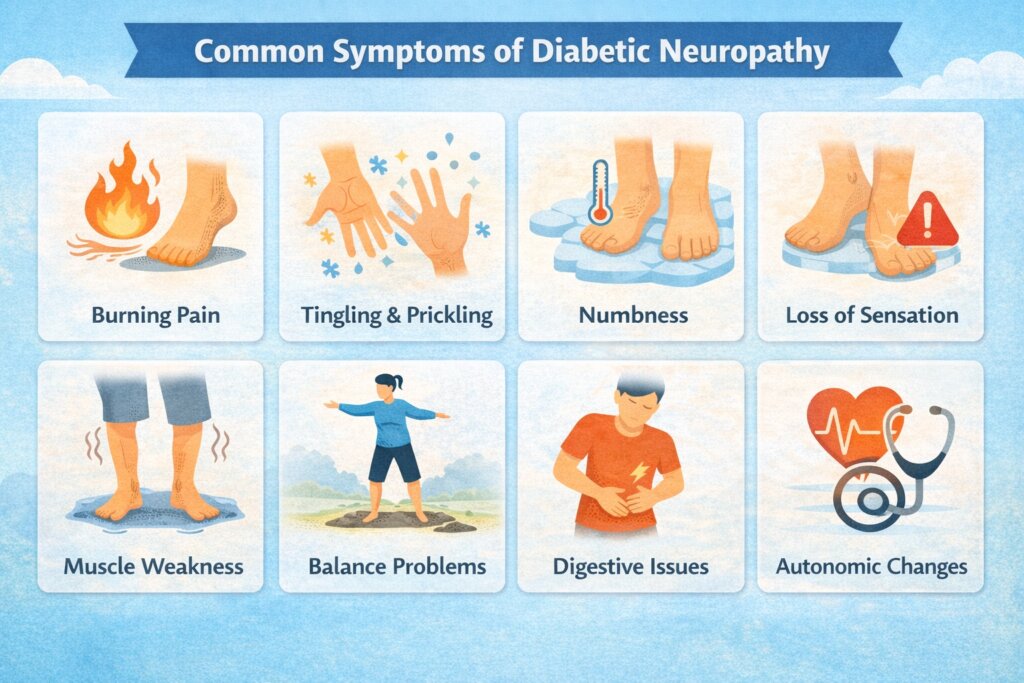
Symptoms of diabetic neuropathy depend on which nerves are affected, but many people first notice changes in the feet and legs. Early symptoms often include tingling, burning, or sharp pain that can worsen at night. Some people describe it as pins-and-needles, aching, or discomfort that makes walking and standing harder.
- Tingling or “pins and needles” in the hands or feet
- Burning sensations in the feet or legs
- Sharp, shooting pain (often worse at night)
- Numbness or reduced ability to feel temperature changes
- Trouble noticing cuts, blisters, or injuries on the feet
- Muscle weakness
- Balance problems or unsteady walking
- Sensitivity to touch (even light pressure from clothing or bedsheets may feel painful)
- Digestive issues (like nausea, bloating, constipation, or diarrhea) if autonomic nerves are involved
- Bladder problems (such as trouble emptying the bladder)
- Changes in heart rate or blood pressure if autonomic nerves are involved
As nerve damage progresses, loss of sensation can quietly increase the risk of infections and slow-healing wounds, especially in the feet. These symptoms can come and go, or steadily worsen, so tracking what you feel can help you and your provider spot patterns. If you notice numbness, frequent foot injuries, or worsening pain, it’s worth getting evaluated sooner rather than later.
Can Acupuncture Help Neuropathy from Diabetes?
Research suggests that acupuncture can be an effective treatment for diabetic neuropathy, with multiple studies showing improvements in pain levels and sensory function. A systematic review published in the Journal of Pain Medicine analyzed 13 randomized controlled trials involving 962 participants and found that acupuncture significantly improved pain and quality of life in people with neuropathy. Another study demonstrated that patients experienced noticeable reductions in diabetic neuropathy pain after 10 weeks of treatment.
The evidence is particularly strong for reducing neuropathic pain, with 19 randomized controlled trials involving 1,174 patients showing significant symptom improvements through acupuncture. These studies point to mechanisms such as endogenous opioid modulation, in which acupuncture triggers the body’s natural pain-relieving chemicals, and improved nerve function through better blood flow and reduced inflammation.
Clinical observations show that acupuncture works by re-stimulating damaged nerves and restoring circulation to affected areas. When fine needles are inserted at specific points, they create a micro-injury that triggers healing responses in surrounding tissues. This process encourages blood vessel growth, reduces inflammatory markers, and helps damaged nerves repair themselves over time.
How Acupuncture Addresses nerve pain and Circulation
Acupuncture can support nerve pain relief and circulation by influencing pain signaling, blood flow, and inflammation—all factors involved in diabetic neuropathy. Many people pursue it as a complementary option to help manage symptoms while supporting overall nerve health. Results vary by person, but the goal is often improved comfort, function, and circulation over time.
- Pain modulation: Acupuncture can stimulate endorphins and other neurotransmitters, helping reduce pain perception and calm irritated nerve pathways.
- Improved microcirculation: Treatment may enhance blood flow in small vessels that nourish nerves, helping deliver oxygen and nutrients that support tissue repair and reduce ongoing nerve stress.
- Anti-inflammatory support: Acupuncture may help downshift chronic inflammation by influencing inflammatory signaling and oxidative stress, creating a better internal environment for nerve function and healing.
Together, these effects can make symptoms like burning, tingling, and sensitivity feel more manageable for some patients. Acupuncture is typically used alongside medical care—not as a replacement—especially for diabetes-related nerve issues. A consistent treatment plan, along with blood sugar management and foot care, usually offers the best odds for meaningful improvement.
What the Research Shows About Acupuncture for Diabetic Neuropathy

Multiple research studies have examined acupuncture’s effectiveness for peripheral neuropathy, including diabetic neuropathy specifically. A review from Henry Ford Health System noted that acupuncture is effective for peripheral neuropathy, with fewer side effects than medications, particularly for treating tingling, burning, and numbness in the hands and feet.
Research from Memorial Sloan Kettering Cancer Center, while focused on chemotherapy-induced neuropathy, shows similar mechanisms at work. Their studies found that acupuncture reduced severe neuropathy symptoms, improved quality of life, and helped patients sleep better. These findings are relevant because chemotherapy-induced neuropathy and diabetic neuropathy share similar nerve damage patterns.
One particularly compelling study showed significant reductions in neuropathy severity after just two weeks of acupuncture treatment. While individual results vary, many patients report noticeable improvements within the first month of consistent treatment.
Evidence-Based Mechanisms Behind Acupuncture’s Effects
The scientific understanding of how acupuncture works has grown considerably in recent years. Brain imaging studies show that acupuncture activates specific regions involved in pain processing and regulation. When needles are inserted at traditional acupuncture points, they trigger responses in the nervous system that modulate pain signals traveling to the brain.
Biochemical studies have identified several mechanisms at work. Acupuncture increases adenosine levels in treated tissues, a natural pain reliever. It also stimulates the release of endorphins and enkephalins, which are the body’s own opioid-like substances that reduce pain perception.
At the cellular level, acupuncture appears to influence gene expression related to inflammation and nerve growth factors. This may explain why benefits often continue to build over multiple treatment sessions as the body’s healing responses accumulate.
What to Expect from Acupuncture Treatment for Neuropathy
Starting acupuncture for neuropathy typically begins with a detailed intake to help your practitioner understand your symptoms, health history, and the patterns affecting your nerve pain. At Acupuncture Colorado Springs, we also look at factors like blood sugar stability, sleep, stress, and daily habits because these can influence circulation and nerve irritation. This helps create a care plan built around your body and your goals, not a one-size approach.
- First visit assessment: Review of symptoms, medical history, and contributing factors like stress, sleep, and lifestyle.
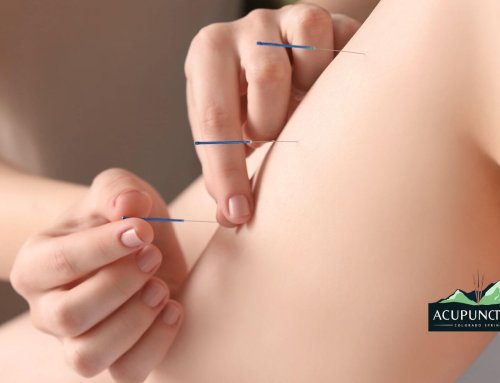
- Needle experience: Very thin, sterile needles placed at targeted points (often legs, feet, hands, and sometimes other areas); sensation is usually mild.
- What you may feel: A brief pinch, then a dull ache, warmth, or tingling that fades quickly.
- Session length: Most visits last 30–60 minutes, with you resting while needles stay in place.
- Overall comfort: Many people feel calm or deeply relaxed during treatment, and some fall asleep.
- Early treatment schedule: Many plans start 2 sessions per week for the first few weeks, then reduce as symptoms improve.
- Timeline for results: Some notice changes within a few sessions (pain intensity, sleep), while bigger shifts in sensation and function often take several weeks.
- Series of sessions: Many people use 10–12 sessions as a reasonable window to evaluate meaningful benefit.
- Maintenance care: After improvement, periodic “tune-up” sessions can help maintain symptom control and quality of life.
Most improvements come from consistency, especially early on, because nerve pain and circulation issues usually change gradually. Your plan can be adjusted based on how your symptoms respond—pain levels, sleep, balance, and daily comfort all help guide pacing. The long-term goal is fewer flare-ups, better function, and a schedule that supports relief without needing frequent visits forever.
Why Choose Acupuncture Colorado Springs for Neuropathy Care
When you’re dealing with diabetic neuropathy, you need a practitioner who understands the condition and knows how to apply acupuncture in a way that supports nerve pain relief and circulation. At Acupuncture Colorado Springs, David W. Armstrong, L.Ac., brings board certification and extensive clinical experience to each session. We use sterile, single-use needles and follow all Colorado state safety regulations to ensure your care remains safe, professional, and consistent.
Our care stands out because it stays personal from the first visit onward. We don’t rely on cookie-cutter protocols, because neuropathy symptoms can look very different from one person to the next. Your plan considers your specific symptoms, how long you’ve had neuropathy, your blood sugar control, and your goals—so treatment stays aligned with what you want to improve most.
Our clinic is located at 2525 W Pikes Peak Ave, Suite B, Colorado Springs, CO 80904, with easy access for patients across El Paso County, including Colorado Springs, Manitou Springs, Old Colorado City, and Woodland Park. The space is calm and welcoming, helping your body shift out of stress and into a better state for recovery and healing. Scheduling is simple and designed to fit real life, so adding acupuncture to your diabetes care feels doable and supportive—not like another burden.
Conclusion
Acupuncture offers meaningful support for people managing diabetic neuropathy by improving circulation, reducing inflammation, and providing natural pain relief. Research consistently shows positive outcomes with fewer side effects than conventional medications. Combined with good blood sugar control and lifestyle management, acupuncture can help you reclaim comfort and function in your daily life here in Colorado Springs.
Acupuncture Colorado Springs offers personalized acupuncture therapy to help relieve diabetic neuropathy pain. Our root-cause approach targets nerve damage and circulation. Learn more today.
FAQs
Can Acupuncture Help Neuropathy in the Feet?
Acupuncture may help reduce symptoms of foot neuropathy, such as burning, tingling, numbness, and pain, by supporting circulation, calming irritated nerves, and reducing inflammation. At Acupuncture Colorado Springs, we tailor treatments to your diabetes history, symptom pattern, and overall health to support both comfort and function.
How Many Acupuncture Sessions Are Needed for Neuropathy?
Many people start noticing changes within 4–8 sessions, though longer-standing or more severe neuropathy often requires a longer plan (commonly 8–12+ sessions) for more lasting results. We recommend a short trial course first, then adjust based on your response and goals.
Does Acupuncture Help Diabetic Neuropathy?
Acupuncture can be a helpful complementary approach for diabetic neuropathy, often used to ease pain, improve sensation, and support sleep and stress levels. It works best alongside good glucose management and medical care, and we coordinate your plan around what you’re already doing.
What Is the Best Treatment for Neuropathy?
The best treatment depends on the cause, severity, and your overall health, but a combined approach is often most effective—addressing blood sugar control, nutrition, movement, foot care, and symptom relief. Acupuncture and, when appropriate, guidance on Chinese herbal medicine may be added to help manage pain and improve quality of life.
Can Acupuncture Repair Nerve Damage?
Acupuncture can’t guarantee “repair” of nerve damage, but it may support the body’s healing environment by improving blood flow, reducing inflammation, and modulating pain signaling—sometimes leading to improved symptoms and function. We focus on measurable changes, such as pain reduction, better sleep, and improved sensation over time.