Athletes pushing their bodies to the limit often face a common concern when considering acupuncture: will those thin needles make their already sore muscles and tender joints feel worse? This fear keeps many runners, lifters, and weekend warriors from exploring a treatment that could significantly support their recovery and performance goals. The reality is that acupuncture, when performed by a skilled practitioner, typically feels quite different from what most people imagine.
This article addresses athletes’ specific concerns about acupuncture discomfort, especially when dealing with existing soreness, tight joints, and old injuries. You’ll learn what acupuncture actually feels like on sensitive areas, how practitioners adjust their techniques for athletic bodies, and practical ways to prepare for your first session to ensure maximum comfort and benefit.
Key Takeaways
- Acupuncture needles are hair-thin and typically cause minimal discomfort, even on sore muscles.
- Most athletes experience dull aching, heaviness, or tingling rather than sharp pain during treatment.
- Skilled practitioners adjust needle depth and technique around sensitive or injured areas.
- Proper preparation, including hydration and communication, can minimize any discomfort.
- Acupuncture supports recovery by reducing inflammation and promoting natural pain relief mechanisms.
- Licensed clinics use sterile, single-use needles and follow strict safety protocols.
What Acupuncture Really Feels Like on Sore Muscles, Tight Joints, and Old Injuries
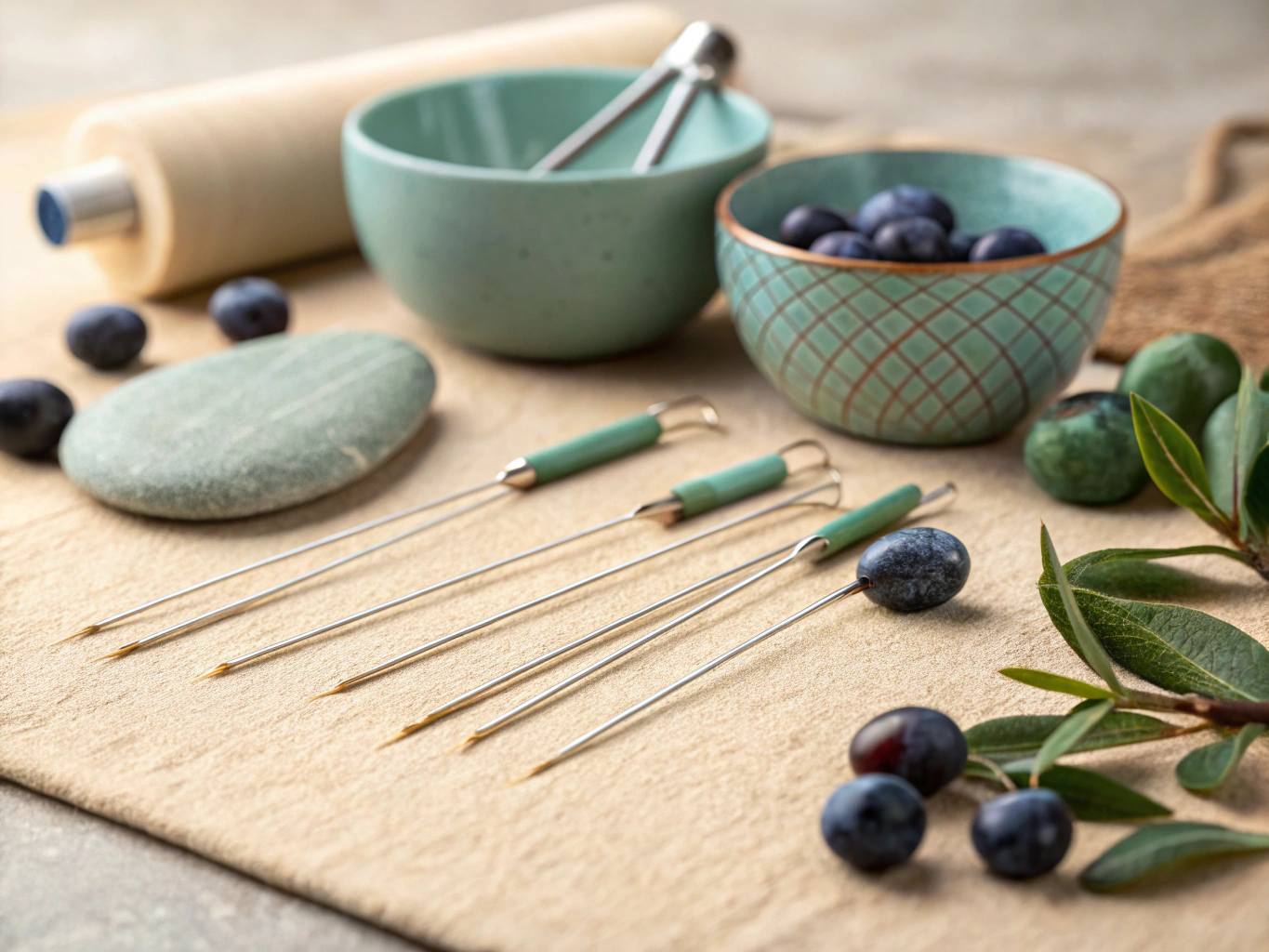
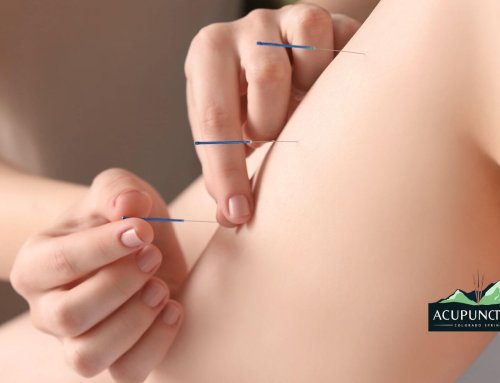
The fear that acupuncture needles will intensify existing pain is completely understandable, especially when you’re already dealing with post-workout soreness or chronic joint stiffness. Many athletes imagine sharp, injection-like sensations that would make their tight hamstrings or tender shoulders feel worse. The truth is that acupuncture needles are incredibly thin—about the width of a human hair—and the insertion technique is designed to work with your body’s natural healing responses, not against them.
When needles are placed on or near sore muscles, most people describe the sensation as a dull ache, heaviness, or gentle pressure rather than sharp pain. This feeling, known as “de qi” in Traditional Chinese Medicine, indicates that the needle has reached the right depth to stimulate healing responses.
Your body’s reaction to acupuncture on sensitive areas often surprises first-time patients. Instead of increased pain, many athletes notice their tight muscles beginning to relax within minutes of needle placement. This happens because acupuncture triggers the release of natural pain-relieving chemicals called endorphins while also improving blood flow to the treated area. The gentle stimulation helps break up tension patterns that have been locked in place from repetitive training or old injuries.
Does Acupuncture Hurt for Athletes? Understanding Sensations, Discomfort, and Relief
Athletes often wonder about the specific sensations they might experience during acupuncture, particularly when their bodies are already dealing with training-related stress. The answer depends on several factors including the location of needle placement, your individual sensitivity, and the practitioner’s technique. Most athletic patients describe acupuncture sensations as tolerable and often surprisingly pleasant once they understand what to expect.
1. Initial Needle Insertion Sensations
The moment of needle insertion typically feels like a quick pinch or mosquito bite that lasts only a second or two. Skilled practitioners use swift, confident insertion techniques that minimize this initial sensation. On sore muscles, you might notice this pinch slightly more than on healthy tissue, but it remains brief and manageable.
2. Therapeutic Depth Sensations
Once the needle reaches the appropriate depth, you may experience what practitioners call “de qi”—a dull, aching, or heavy sensation that indicates the treatment is working. This feeling often spreads slightly beyond the needle site and can feel like pressure or gentle throbbing. Many athletes find this sensation oddly satisfying, similar to the relief felt during a deep tissue massage.
3. Muscle Release and Relaxation Responses
As treatment progresses, tight muscles often begin to release tension around the needle sites. You might feel warmth spreading through the area, gentle twitching as muscle fibers relax, or a gradual easing of the stiffness you came in with. These responses indicate that your body is responding well to the treatment.
4. Variations Based on Injury History
Areas with old injuries or chronic tension patterns may feel different during acupuncture than healthy tissue. You might experience stronger sensations initially, but these typically settle into the same comfortable therapeutic feelings as treatment continues. Practitioners often adjust their approach for these sensitive areas.
5. Individual Sensitivity Differences
Some athletes are naturally more sensitive to needle sensations than others, which doesn’t correlate with pain tolerance in sports. Factors like hydration, stress levels, and even the time of day can influence how acupuncture feels. Communicating with your practitioner about your comfort level helps them adjust their technique accordingly.
The most common sensations during acupuncture include a brief pinch during needle insertion followed by deeper sensations as the needle reaches therapeutic depth. These deeper feelings might include tingling, warmth, or a dull aching sensation that many athletes compare to the feeling of a good stretch or massage.
From Pain to Performance: How Acupuncture Supports Recovery, Mobility, and Long-Term Joint Health
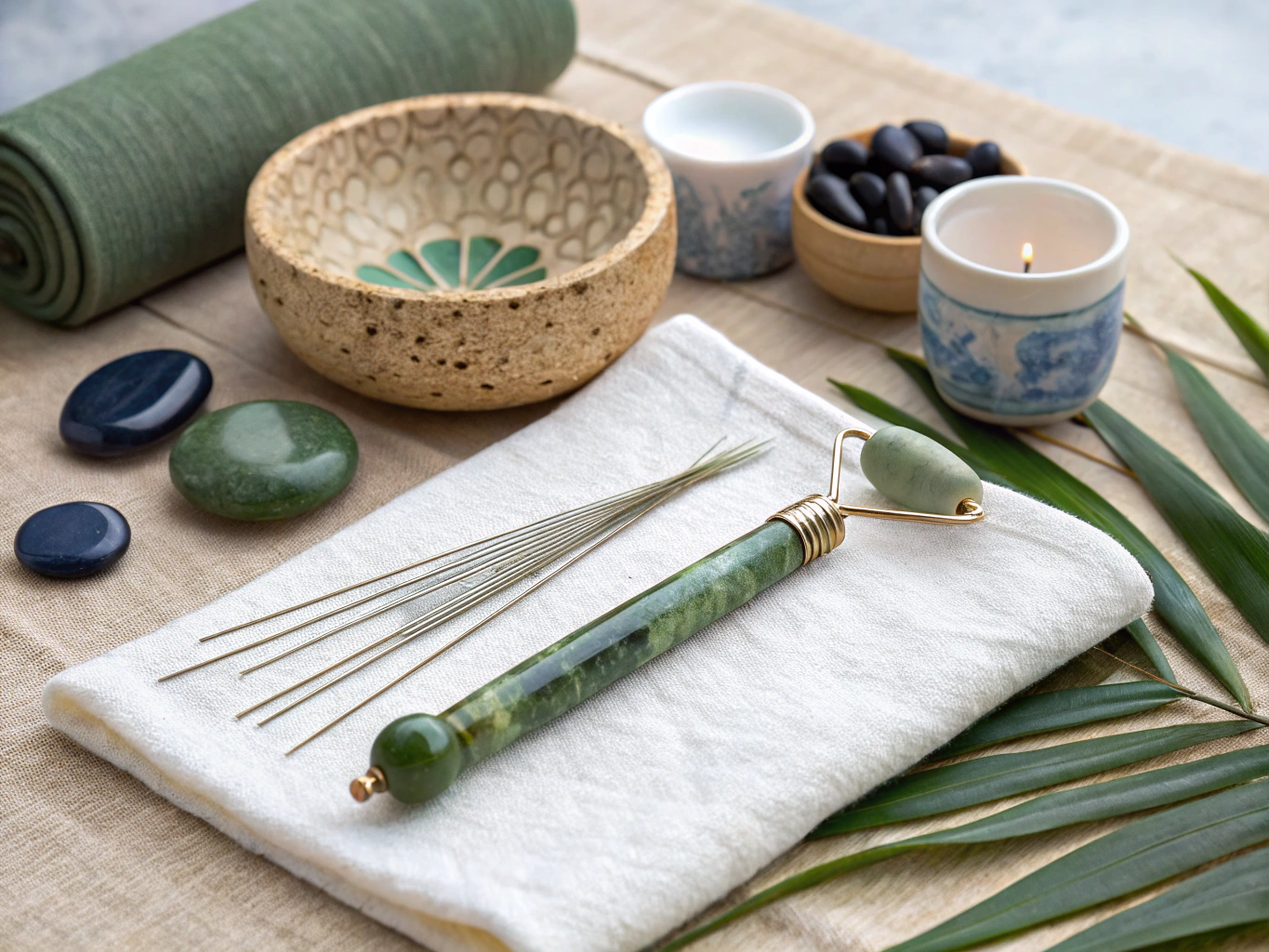
Understanding how acupuncture works to relieve pain and support athletic performance helps explain why the sensations of the treatment are typically manageable and often beneficial. Research shows that acupuncture stimulates specific nerve pathways that trigger your body’s natural pain-relief mechanisms and promote anti-inflammatory responses. For athletes dealing with delayed onset muscle soreness (DOMS), chronic tendon issues, or joint stiffness, these mechanisms can significantly support recovery and return-to-training goals.
The science behind acupuncture’s effectiveness involves multiple physiological systems working together to restore balance and function. When needles stimulate specific points, they activate nerve fibers that send signals to the brain and spinal cord, prompting the release of endorphins and other natural pain-relieving chemicals.
What does acupuncture do for athletic recovery specifically? The treatment promotes increased blood circulation to the treated areas, helping deliver nutrients and oxygen while removing metabolic waste products that contribute to soreness and inflammation. This improved circulation can accelerate the healing of micro-tears in muscle tissue that occur during intense training. Many athletes report reduced muscle tension and improved range of motion after acupuncture sessions, which can enhance training quality and reduce injury risk.
For chronic issues such as IT band syndrome, plantar fasciitis, or shoulder impingement, regular acupuncture treatments can help address the underlying muscle imbalances and movement patterns that contribute to these problems. The treatment doesn’t just mask symptoms but works to restore proper function and movement quality. Athletes often find that acupuncture helps them maintain their training intensity while managing chronic issues that might otherwise require time off or medication.
How to Prepare for Your First Sports Acupuncture Session (So It Feels as Comfortable as Possible)
Proper preparation can significantly influence how comfortable and effective your first acupuncture experience feels, especially when you’re dealing with sore muscles or sensitive areas. Simple steps like staying hydrated, eating appropriately, and communicating clearly with your practitioner can help ensure the best possible outcome. Many athletes find that taking a few preparatory measures helps them relax and get the most benefit from their treatment.
1. Hydration and Nutrition Guidelines
Arrive well-hydrated but avoid drinking large amounts of water immediately before treatment to prevent discomfort from a full bladder. Eat a light meal 1-2 hours before your appointment—being too hungry or too full can affect how you respond to treatment and may influence your comfort level during the session.
2. Clothing and Accessibility Considerations
Wear loose, comfortable clothing that allows easy access to common acupuncture points on your arms, legs, and back. Many treatments can be performed with minimal clothing removal if you’re dressed appropriately. Avoid tight athletic wear that might need to be completely removed for treatment access.
3. Communication and Comfort Advocacy
Be specific about your pain levels, injury history, and comfort concerns when discussing your treatment goals. Don’t hesitate to speak up during treatment if any needle feels too intense or uncomfortable—practitioners can easily adjust depth, location, or technique. Remember that you’re in control of your comfort level throughout the session.
4. Mental Preparation and Relaxation Techniques
Practice deep breathing or other relaxation techniques you use before competitions to help your nervous system settle during treatment. Many athletes find that approaching acupuncture with the same mental preparation they use for training helps them stay relaxed and receptive to the treatment benefits.
5. Post-Workout Timing Considerations
Schedule your first session for a day when you haven’t just completed an intense workout, as this allows you to better distinguish between treatment sensations and existing muscle fatigue. Plan for some downtime after your session to allow your body to integrate the treatment effects.
Your pre-treatment routine doesn’t need to be complicated, but attention to basic self-care can make a noticeable difference in how the session feels and how well your body responds to treatment.
How Acupuncture Colorado Springs Keeps Athletic Treatments Safe, Targeted, and as Pain-Free as Possible
At Acupuncture Colorado Springs, we understand that athletes have specific concerns about treatment comfort, especially when dealing with existing soreness or injuries from training in our high-altitude environment. Our approach combines traditional acupuncture techniques with modern understanding of sports medicine to provide treatments that support your performance goals while maintaining maximum comfort and safety. Led by David W. Armstrong, L.Ac., our clinic works with active individuals who need effective treatment without compromising their training schedules.
We recognize that athletes often push through discomfort in their sports, but treatment shouldn’t add unnecessary stress to already challenged muscles and joints. Our techniques are specifically adapted for athletic bodies and training demands.
Our clinic maintains the highest safety standards with sterile, single-use needles and follows all Colorado state regulations for acupuncture practice. We understand that athletes can’t afford treatment-related complications, so every aspect of our practice prioritizes your safety and wellbeing. The calm, professional environment at our clinic is designed to help competitive individuals relax and allow their bodies to respond optimally to treatment.
For athletes in the Colorado Springs area dealing with training-related pain, performance plateaus, or recovery challenges, our individualized approach addresses both immediate comfort concerns and long-term athletic goals. We work with your training schedule and competition calendar to provide treatments that support rather than interfere with your athletic pursuits.
Conclusion
Acupuncture rarely hurts in the way most athletes fear, especially on sore muscles and old injuries. The treatment typically provides relief rather than additional discomfort when performed by skilled practitioners. Athletes who overcome their initial hesitation often find acupuncture becomes a valuable part of their recovery and performance optimization routine.
Acupuncture Colorado Springs uses gentle, evidence-informed techniques that work with your body’s natural healing process. Our board-certified approach helps athletes address pain without adding discomfort. Get started with personalized care today.
FAQs
Does Acupuncture Hurt The First Time?
Many first-time patients at Acupuncture Colorado Springs may experience slight discomfort during their first acupuncture session, but this is typically minimal and temporary. Our experienced practitioners prioritize your comfort and ensure a gentle approach to treatment.
What Does Acupuncture Feel Like?
Patients often describe acupuncture as a sensation of lightness, warmth, or a slight tingling at the site of the needle insertion. At Acupuncture Colorado Springs, we aim to create a relaxing experience that promotes healing without unnecessary discomfort.
Is Acupuncture Supposed To Hurt?
No, acupuncture is not supposed to hurt. While you may feel a brief sensation when the needles are inserted, our skilled acupuncturist, David W. Armstrong, L.Ac., ensures a comfortable experience tailored to your needs.
How Painful Is Acupuncture On A Scale Of 1 To 10?
Most patients rate the pain of acupuncture around a 1 or 2 out of 10, with many experiencing little to no pain at all. Our focus at Acupuncture Colorado Springs is to provide a soothing environment that minimizes discomfort during treatment.
Can Acupuncture Cause Pain After Treatment?
Some patients may experience mild soreness or tenderness in the treated areas after acupuncture, similar to the feeling after a good workout. However, this is usually temporary and should subside quickly. Our team is here to guide you on what to expect during your healing journey.