If you have ever looked at an acupuncture needle and thought, “That looks nothing like what I expected,” you are not alone. Most people picture something thick and intimidating. What you actually get is a hair-thin, solid steel pin that is so fine it barely registers when placed into the skin. That distinction matters, and it changes everything about how people experience acupuncture for the first time.
This article walks you through what acupuncture pins actually are, how they differ from standard medical needles, where they are placed and why, and what happens in your body when they go in. You will also learn how Acupuncture Colorado Springs uses these tools as part of a personalized, root-cause approach to pain relief, stress reduction, and long-term wellness.
Key Takeaways
- Acupuncture pins are solid, hair-thin stainless steel filiform needles regulated by the FDA as sterile, single-use medical devices.
- They are far thinner than hypodermic injection needles and do not draw blood or inject fluid.
- Needle placement targets specific acupuncture points located over nerves and myofascial tissue to support pain management and nervous system regulation.
- Different needle gauges and lengths are used depending on the treatment area and the depth of stimulation needed.
- At Acupuncture Colorado Springs, every session begins with a full health intake so needle selection and point protocols are matched to your individual needs.
- Acupuncture pins are safe when used by a licensed, board-certified practitioner following proper hygiene and single-use protocols.
What Acupuncture Pins Are and Why They Are Not What You Think
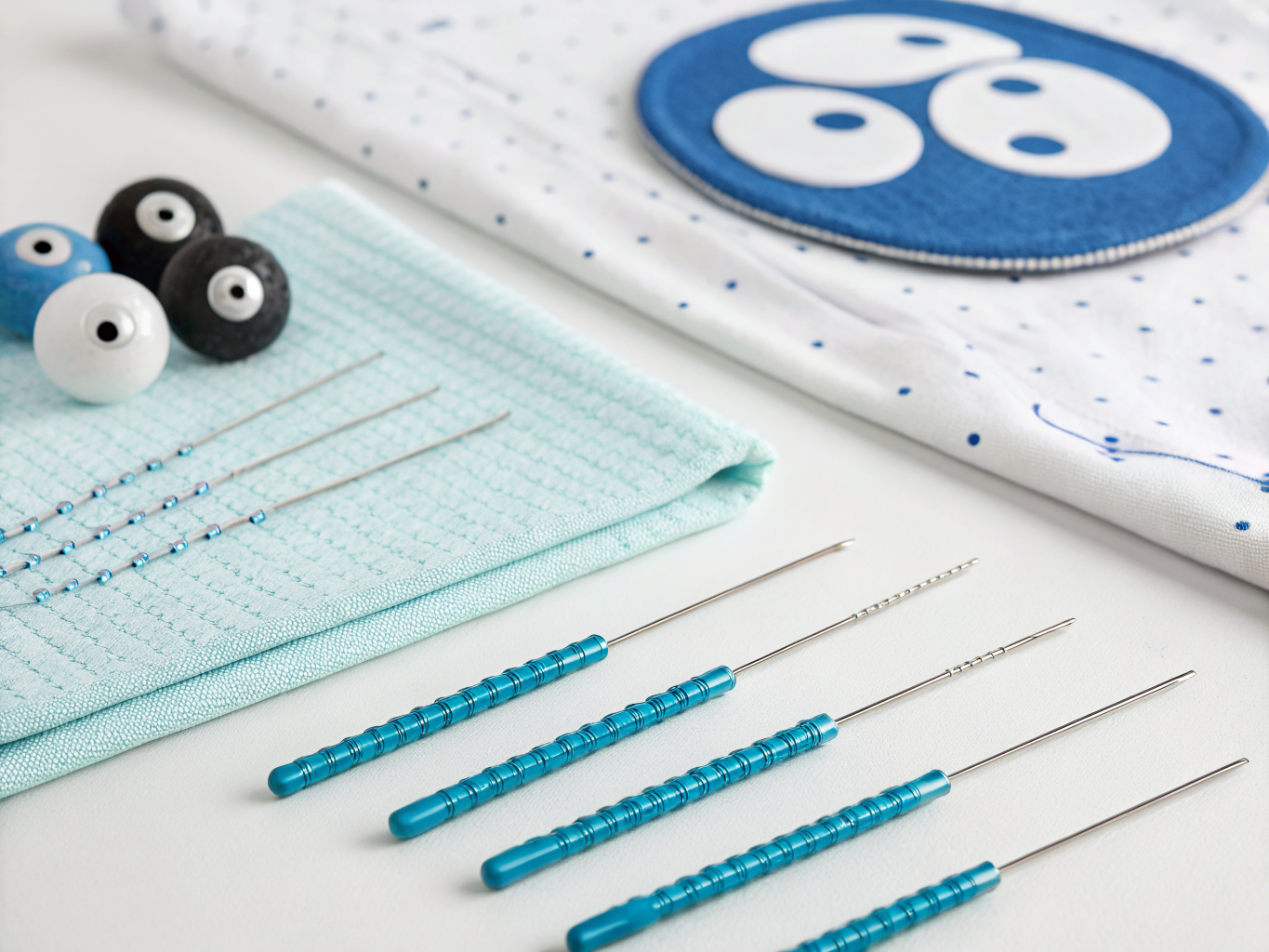
The word “needle” carries a lot of baggage. Most people associate it with blood draws, injections, or stitches. Acupuncture pins are a completely different category of tool. They are solid, not hollow, which means they do not inject or extract anything. They flex slightly on insertion rather than cutting through tissue, which is a large part of why most patients feel very little discomfort.
Acupuncture needles are classified and regulated by the U.S. Food and Drug Administration as sterile, single-use medical devices. That is not a minor detail. It means every pin used in a legitimate clinical setting is manufactured under strict quality standards, packaged in individual sterile sleeves, and disposed of after a single treatment. No needle is ever reused.
Modern acupuncture pins are made from surgical-grade stainless steel, typically nickel-free to reduce the risk of skin sensitivity. The tip is rounded rather than beveled, so instead of cutting tissue it gently separates fibers as it passes through. That design difference is one reason acupuncture and pain management work together so well. The body’s tissue response to a filiform needle is fundamentally different from its response to a cutting-edge injection needle.
| Feature | Acupuncture Pin (Filiform Needle) | Standard Hypodermic Needle |
|---|---|---|
| Core | Solid | Hollow |
| Purpose | Stimulate tissue and nerve pathways | Inject or withdraw fluid |
| Tip design | Rounded, tissue-separating | Beveled, tissue-cutting |
| Diameter | 0.12–0.35 mm | 0.4–0.9 mm (common range) |
| Reuse | Never; single-use only | Never; single-use only |
| FDA classification | Sterile medical device | Sterile medical device |
Understanding this distinction is often the first step toward feeling comfortable enough to try acupuncture. Once patients see the actual size of the pin, many say the same thing: “That is it?”
The Different Types of Acupuncture Pins Used in Clinical Practice

Not all acupuncture needles are the same size, and that variety is intentional. A skilled practitioner selects needle gauge and length based on the treatment area, the depth of stimulation needed, and the patient’s body composition and sensitivity. Using the right tool for the right location is part of what separates a thoughtful treatment plan from a generic one.
Here is a breakdown of the main types of acupuncture pins you are likely to encounter in a clinical setting.
1. Filiform Needles for Full-Body Acupuncture Points
Filiform needles are the standard acupuncture pin used in most full-body treatments. They range from about 13 mm to 75 mm in length and vary in gauge from 0.12 mm to 0.35 mm. The gauge and length selected depend on the depth of the acupuncture point being targeted and the amount of tissue between the skin surface and the underlying nerve or muscle layer.
2. Shorter, Finer Needles for Facial and Ear Acupuncture Points
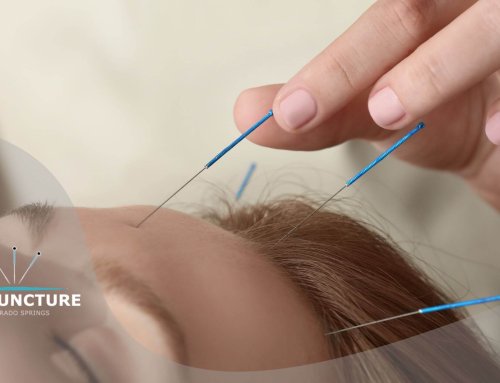
Facial and auricular (ear) acupuncture points sit much closer to the surface, so they require shorter, finer pins. These needles are typically 13 to 25 mm long and use the thinnest available gauges. Patients receiving facial acupuncture or ear-point protocols often report even less sensation than they experience with standard body-point needling.
3. Longer Needles for Deep Muscle and Back Acupuncture Points
Points along the lower back, hips, and thighs require longer needles to reach the myofascial and neuromuscular structures beneath a thicker tissue layer. A practitioner working on lumbar pain, for example, may use a 50 to 75 mm needle to access the deeper trigger points associated with chronic low-back discomfort. Depth is not random. It is guided by the anatomy of the acupuncture point and the clinical goal of the session.
4. Press Needles for Extended Point Stimulation
Press needles are small, adhesive-backed pins designed to stay in place between sessions. They are often used at ear acupuncture points or on the body to extend the therapeutic effect of a treatment. Patients managing chronic conditions sometimes wear these for a day or two after a session to maintain stimulation at key points. They are comfortable enough to wear during normal daily activity.
5. Guide Tube Needles for Comfort and Precision
Most modern acupuncture pins come packaged with a small plastic guide tube. The tube holds the needle steady during insertion and allows the practitioner to tap the pin into place with a quick, controlled motion. This technique reduces the tactile anticipation that often causes tension and makes the insertion process smoother for both the patient and the practitioner.
How Acupuncture Pins Work Inside the Body
This is the part most people are genuinely curious about. You might be wondering, “What is actually happening once the needle goes in?” The answer sits at the intersection of Traditional Chinese Medicine theory and modern neuroanatomy, and both frameworks offer something useful.
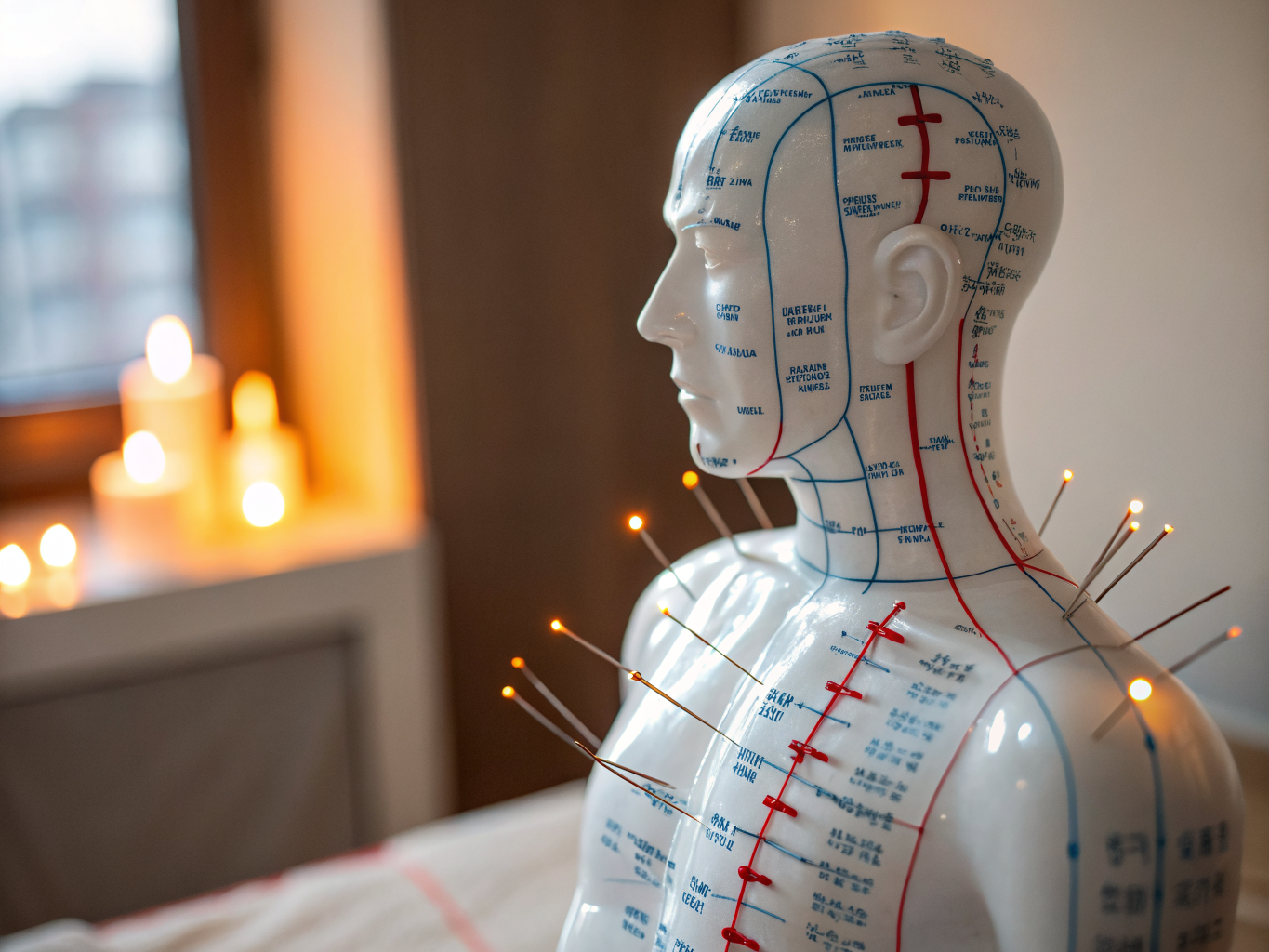
From a Traditional Chinese Medicine perspective, acupuncture pins are placed at specific points along meridian pathways to influence the flow of qi, which is understood as the body’s vital energy or functional force. When qi flows freely, the body maintains balance. When it stagnates or becomes disrupted, pain, fatigue, and illness can follow. The needles are tools for restoring that flow.
From a neuroanatomical perspective, peer-reviewed research supports a different but complementary explanation. Acupuncture points are located over nerves and myofascial trigger points, and needle depth determines which neuroanatomical structures are stimulated. Inserting a pin at the correct depth can activate sensory nerve fibers, trigger local tissue responses, and influence the central nervous system in ways that support pain modulation and stress regulation. These are not competing explanations. They describe the same clinical outcomes through different frameworks.
When a needle reaches the right depth at the right acupuncture point, many patients notice a sensation called “de qi.” It feels like a mild ache, warmth, or gentle pressure around the needle site. That sensation is considered a positive sign in Traditional Chinese Medicine practice. It suggests the needle has engaged the tissue in a therapeutically meaningful way.
At Acupuncture Colorado Springs, David W. Armstrong, L.Ac. draws on both frameworks to guide needle selection, point protocols, and treatment depth. Every session is designed around your specific health picture, not a standard template. If you are dealing with chronic low-back pain, shoulder tension from physical work, or the kind of full-body fatigue that Colorado’s high-altitude lifestyle can amplify, the needle placement and depth will reflect that. Book an appointment to start with a thorough intake conversation and a treatment plan built around your goals.
Where Acupuncture Pins Are Placed and Why Acupuncture Points Matter
Acupuncture points are not arbitrary locations. They are mapped positions on the body where the tissue is particularly responsive to needle stimulation. Major hospital systems including the Cleveland Clinic describe these points as sites where needles can influence qi and the nervous system simultaneously, which explains why acupuncture benefits extend across such a wide range of conditions.
The body contains hundreds of recognized acupuncture points organized along fourteen primary meridian pathways. A practitioner selects points based on the patient’s presenting pattern, not just their primary complaint. Someone coming in for knee pain, for example, might receive needles at points along the leg but also at distal points on the hand or foot that correspond to the same meridian pathway. That systemic approach is what distinguishes acupuncture from localized pain treatments.
Here is how point selection typically maps to common patient concerns.
- Chronic low-back and lumbar pain: Points along the bladder meridian on the back and legs, combined with local trigger-point needling in the lumbar musculature.
- Neck and shoulder tension: Gallbladder and triple warmer meridian points along the neck, shoulder, and upper arm.
- Stress, anxiety, and sleep disruption: Heart and pericardium meridian points on the wrist and inner arm, combined with scalp or ear points for nervous system calming.
- Digestive discomfort and hormone-related concerns: Stomach, spleen, and liver meridian points along the abdomen, lower leg, and foot.
- Headaches and migraines: Gallbladder points at the base of the skull, large intestine points on the hand, and liver points on the foot.
- Knee and joint stiffness: Local points around the joint combined with stomach and spleen meridian points on the lower leg.
Point selection is where clinical experience and individualized assessment make a real difference. At our clinic, no two treatment plans look exactly alike because no two patients present exactly the same way.
Safety, Hygiene, and What to Expect From a Professional Acupuncture Session
Safety is not an afterthought in professional acupuncture practice. It is built into every step of the process. The VCU Massey Cancer Center notes that acupuncture is safe when delivered by a qualified practitioner using proper technique and sterile, single-use needles. When those standards are not met, risks increase. That is exactly why choosing a licensed, board-certified acupuncturist matters.
At Acupuncture Colorado Springs, we comply with all Colorado state regulations for licensed acupuncturists, including mandatory use of sterile, single-use needles that are properly disposed of after each session. David W. Armstrong, L.Ac. holds board certification through the National Certification Commission for Acupuncture and Oriental Medicine (NCCAOM), which requires rigorous training in both clinical technique and clean needle protocol.
Here is what a standard session looks like from start to finish.
- Health intake and assessment: Your first visit begins with a detailed conversation about your health history, current symptoms, lifestyle, and goals. This is not a quick checklist. It is a real clinical conversation that shapes the entire treatment plan.
- Point selection and needle preparation: Based on your intake, David selects the appropriate acupuncture points, needle gauges, and insertion depths for your session. Every needle is removed from a sterile, sealed package immediately before use.
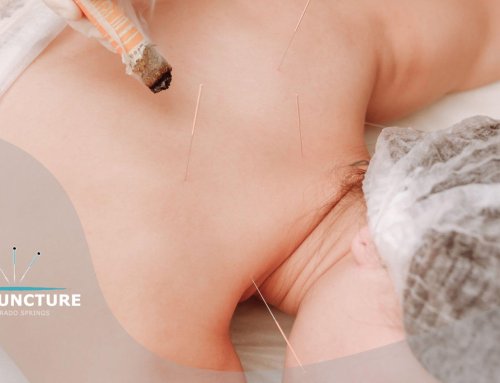
- Needle insertion: Needles are inserted using a guide tube technique for comfort and precision. Most patients feel minimal sensation, and many are surprised by how little they notice.
- Rest period: Once the needles are in place, you rest quietly for 20 to 30 minutes. Many patients fall asleep. The clinic environment is calm and designed to support that kind of deep relaxation.
- Needle removal and follow-up: Needles are removed carefully, disposed of in a sharps container, and the session closes with a brief check-in about how you feel and what to expect in the days ahead.
Beyond acupuncture, our clinic also offers cupping therapy and Chinese herbal medicine guidance as complementary supports. If your health picture calls for more than one modality, we can build a care plan that combines these approaches in a way that makes sense for your specific situation. Explore our full range of services to see how each one might fit into your path toward better function and less pain.
Conclusion
Acupuncture pins are precise, safe, FDA-regulated tools that work through both traditional meridian theory and modern neuroanatomy to support pain relief, stress reduction, and whole-body balance. Choosing a licensed practitioner who understands both the tool and the person holding it makes all the difference. If you are ready to experience what personalized acupuncture care can do for you in Colorado Springs, we invite you to schedule a consultation with David W. Armstrong, L.Ac. at Acupuncture Colorado Springs, located at 2525 W Pikes Peak Ave, Suite B, Colorado Springs, CO 80904.
Acupuncture Colorado Springs offers board-certified acupuncture care tailored to your unique needs. David W. Armstrong, L.Ac., uses sterile, single-use pins to safely target root causes of pain. Get started today and experience personalized healing firsthand.
FAQs
What Are Acupuncture Pins Called?
They’re most commonly called acupuncture needles—very thin, sterile, single-use filiform needles. In our clinic, we use modern, medical-grade needles designed for comfort and precision.
Do Acupuncture Pins Hurt?
Most people feel little to no pain. You may notice a brief pinch on insertion or a mild dull ache, warmth, heaviness, or tingling (often called “deqi”), which is a normal therapeutic sensation.
How Long Do Acupuncture Pins Stay In?
Typically 20–30 minutes, depending on your condition and treatment goals. We tailor timing and point selection to you after a thorough intake and assessment.
What Do Acupuncture Pins Do?
They gently stimulate specific points to help regulate the nervous system, improve circulation, reduce inflammation, and support the body’s natural healing processes—often helping with pain, stress, sleep, and overall balance.
Are Acupuncture Pins Safe?
Yes, when performed by a properly licensed acupuncturist using sterile, single-use needles and clean technique. We follow Colorado safety and hygiene regulations and use professionally sourced supplies for safe, consistent care.