Tight legs are something a lot of people deal with quietly. Maybe your calves ache after a hike up Barr Trail, your hamstrings feel locked up after a long day at a desk, or your shins just never seem to fully relax. Whatever the pattern, that persistent tension in your lower limbs can limit how you move, sleep, and feel day to day. The good news is that there are natural approaches worth exploring—and acupuncture is one that has both a long clinical history and a growing body of research behind it.
This article covers how acupuncture for tight leg muscles works, what the research says about muscle stiffness and flexibility, which foot acupuncture points and leg meridian points are commonly used, and what you can realistically expect from treatment. You will also find out how Acupuncture Colorado Springs, led by licensed acupuncturist David W. Armstrong, L.Ac., approaches leg tension as part of a whole-body care plan—not just a symptom to suppress.
Key Takeaways
- Acupuncture for tight leg muscles targets myofascial trigger points and meridian pathways to ease stiffness and improve range of motion.
- A 2024 study found that low-frequency acupuncture significantly reduced skeletal muscle stiffness and improved fascial gliding in treated areas.
- Foot acupuncture points and distal meridian points on the ankles are commonly paired with local leg points for broader therapeutic effect.
- The twitch response during needling—a brief muscle contraction—is often followed by a noticeable sense of release in tight muscle bands.
- Acupuncture Colorado Springs offers personalized, root-cause-focused care for leg tension, combining acupuncture with cupping when appropriate.
- Treatment plans are tailored to your specific pattern of tension, lifestyle, and health history—never a generic protocol.
What Acupuncture for Tight Leg Muscles Actually Does
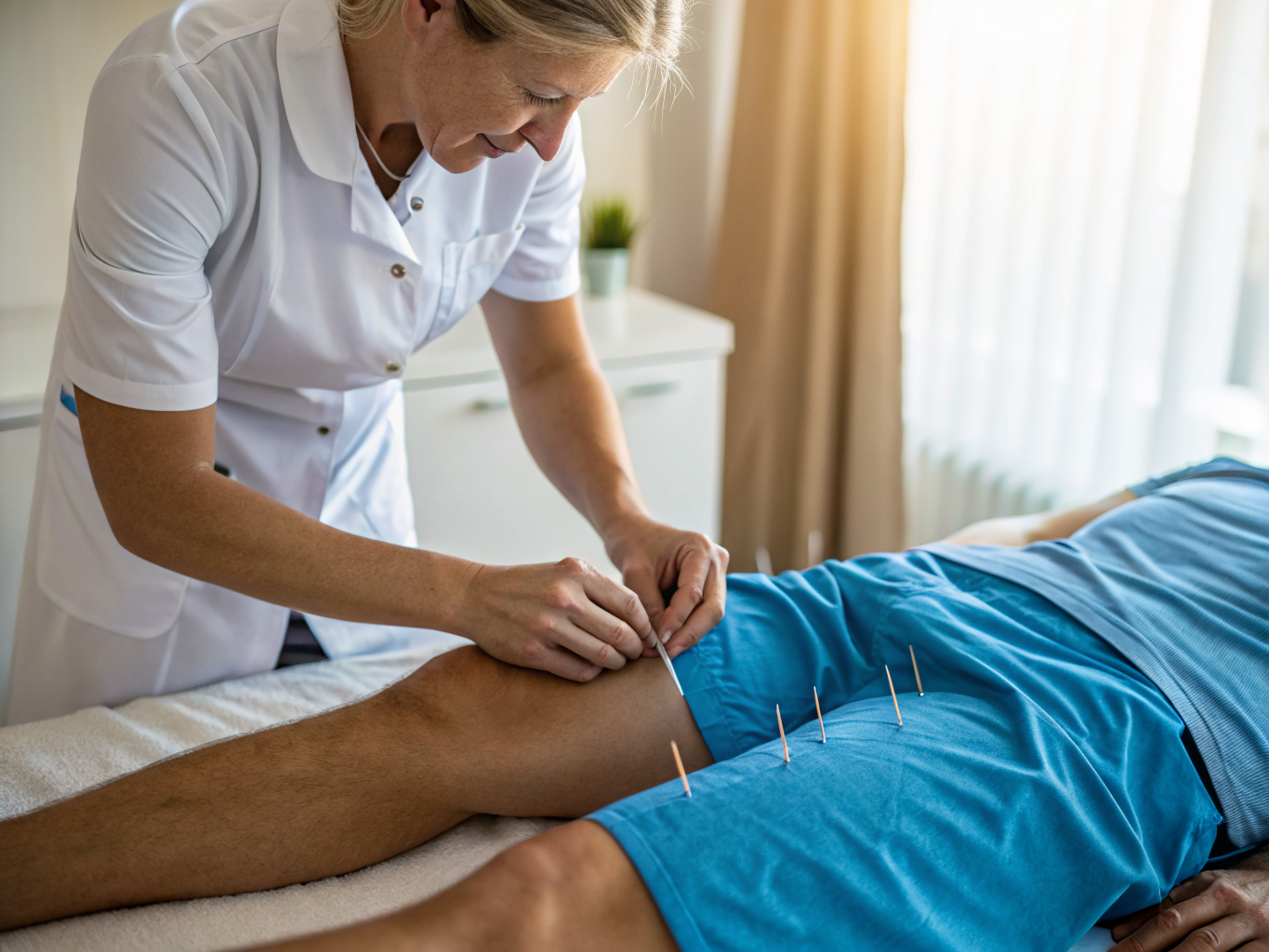
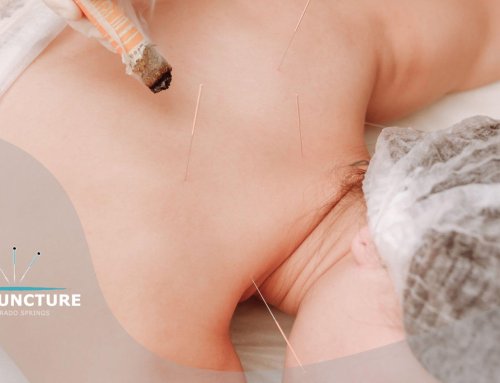
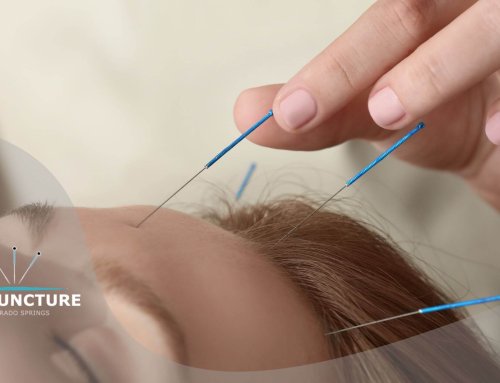
When people think about acupuncture, they often picture stress relief or back pain. Leg muscle tension, though, is one of the more common reasons people seek out this kind of care—and the mechanisms behind it are worth understanding. Acupuncture involves inserting thin, sterile needles into specific points on the body to influence tissue, circulation, and the nervous system. For tight muscles specifically, those needles are often placed directly into what practitioners call myofascial trigger points—those dense, knotted areas within a muscle that refer pain and resist relaxation.
When a needle reaches a trigger point, the muscle often responds with a brief, involuntary twitch. That twitch response is actually a sign the needle has contacted the contracted band of muscle fibers. What follows is typically a softening of that band, improved local blood flow, and a reduction in the referred pain pattern that trigger points are known to cause.
A 2024 study published in PMC found that low-frequency acupuncture significantly reduced skeletal muscle stiffness and improved fascial gliding—particularly in deeper tissue layers. This matters for leg tension because the fascia, the connective tissue wrapping your muscles, plays a major role in how freely your legs move. When fascia becomes restricted, stretching alone often does not resolve the problem. Needling can reach tissue that foam rollers and passive stretching simply cannot.
Acupuncture for Tight Leg Muscles and the Role of Foot Acupuncture Points
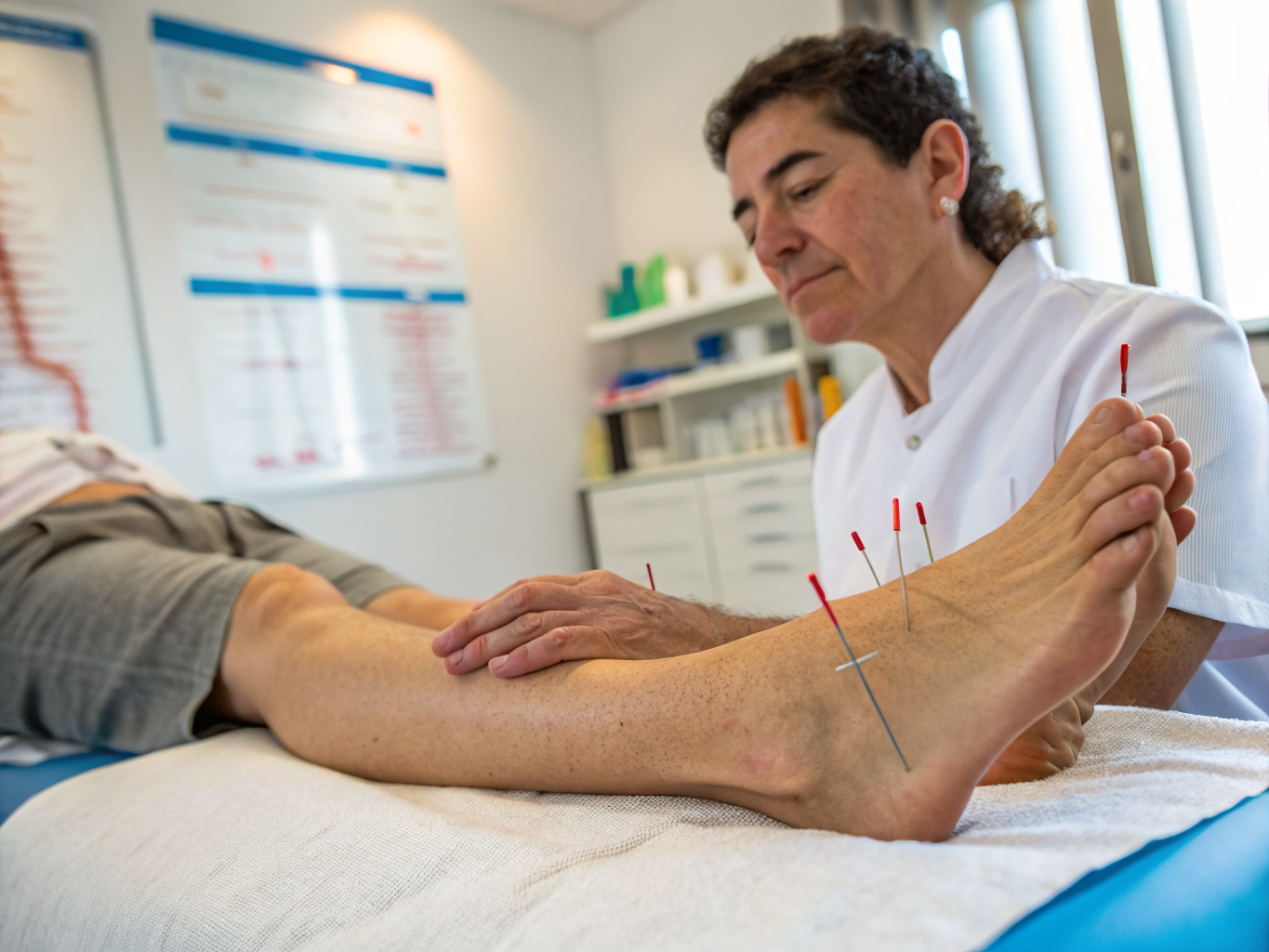
One of the things that makes acupuncture different from a standard sports massage or physical therapy approach is the use of distal points—meaning points located away from the area of pain that still influence it through meridian pathways. In Traditional Chinese Medicine, the legs are traversed by several major meridians, including the Stomach, Gallbladder, Bladder, Spleen, Liver, and Kidney channels. Each of these pathways runs through specific muscles and connects to foot acupuncture points and ankle points that can be used to move Qi and blood through the entire lower limb.
If you have ever looked at a foot acupressure points chart or an acupressure foot chart, you may have noticed how many points cluster around the ankle, arch, and toes. Points like Stomach 36 (just below the knee), Gallbladder 34 (near the outer knee), Bladder 57 (in the calf), and Kidney 3 (at the inner ankle) are frequently used in leg tension protocols. These are not arbitrary locations—they correspond to areas where nerve bundles, fascial planes, and vascular structures converge, making them highly responsive to needling.
Leg and foot acupuncture protocols commonly combine local points near painful calves, hamstrings, or shins with distal meridian points on the feet and ankles to ease muscle guarding and support tendon and fascia recovery. This dual approach—working both at the site of tension and along the connected pathway—tends to produce more complete and lasting results than treating the tight spot alone.
What the Research Says About Hamstrings, Flexibility, and Fascial Gliding
You might be wondering whether there is actual clinical evidence behind using acupuncture for leg tightness, or whether it is mostly anecdotal. The research is still developing, but several findings are worth knowing about. A pilot trial examining hamstring flexibility reported that acupuncture increased hamstring range of motion, even in cases where pain scores did not change significantly. That is an interesting distinction—it suggests acupuncture may improve tissue mobility through mechanisms that are somewhat independent of pain reduction alone.
The 2024 fascial gliding study adds another layer to this. Fascia does not show up on standard imaging, and it is often overlooked in conventional treatment of tight muscles. When fascial layers become adhered or restricted—from overuse, dehydration, repetitive movement, or even chronic stress—muscles lose their ability to slide freely against one another. Acupuncture appears to influence this directly, particularly at deeper tissue levels where the change in hardness was most pronounced in the study findings.
For people living and training at altitude in Colorado Springs, this is relevant. The dry, high-altitude climate here accelerates dehydration in soft tissue. Muscles and fascia that are not well-hydrated are more prone to stiffness and trigger point formation. That is a pattern we see regularly at our clinic, particularly in patients who hike, run, or do physical work outdoors year-round.
Common Causes of Tight Legs That Acupuncture May Help Address
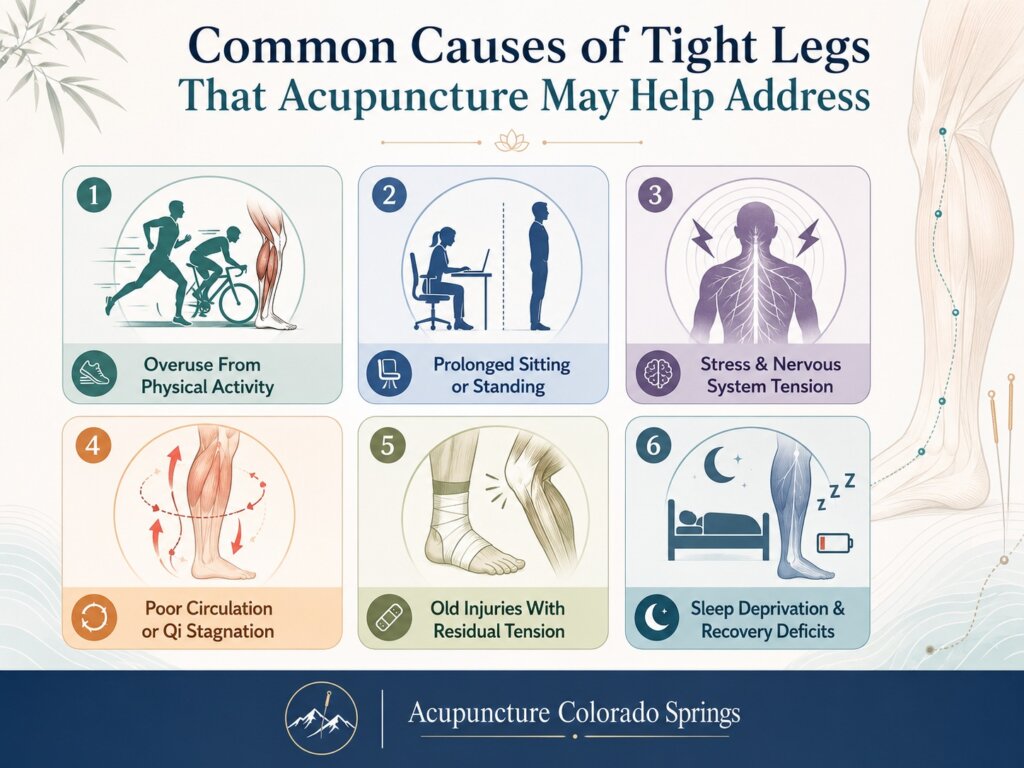
Tight leg muscles are rarely caused by one thing. Understanding the pattern behind your tension helps determine which approach will work best. Here are some of the most frequent contributors we see at Acupuncture Colorado Springs:
1. Overuse From Physical Activity
Hiking, running, cycling, and strength training all create micro-stress in leg muscles. Without adequate recovery, that stress accumulates into chronic tightness, especially in the hamstrings, calves, and IT band.
2. Prolonged Sitting or Standing
Desk work compresses the hip flexors and shortens the hamstrings over time. Standing jobs create different patterns—more calf and plantar tension—but both lead to restricted movement through the lower limbs.
3. Stress and Nervous System Tension
Chronic stress keeps the nervous system in a guarded, contracted state. Muscles respond by holding more baseline tension, and the legs—particularly the inner thighs and calves—often carry this. Acupuncture’s effect on the parasympathetic nervous system can help here in ways that stretching alone cannot.
4. Poor Circulation or Qi Stagnation
In TCM terms, tight muscles in the legs are often associated with Qi and blood stagnation—meaning circulation through the meridians and soft tissue has become sluggish. Cold weather, sedentary periods, and certain dietary patterns can contribute to this.
5. Old Injuries With Residual Tension
A sprained ankle, a pulled hamstring, or a knee injury from years ago can leave behind layers of guarding and scar tissue that keep surrounding muscles contracted long after the original injury has healed.
6. Sleep Deprivation and Recovery Deficits
Muscles repair during sleep. When sleep quality is poor—something we address regularly at our clinic—muscle recovery slows down, and tightness becomes a persistent baseline rather than a temporary post-workout feeling.
How a Treatment Session for Tight Legs Typically Works
If you are considering acupuncture for tight leg muscles for the first time, knowing what to expect can make the process feel less unfamiliar. At Acupuncture Colorado Springs, every session begins with a conversation—about where you feel tension, how long it has been present, what makes it better or worse, and how it connects to the rest of your health picture. David W. Armstrong, L.Ac., uses that intake to identify the underlying pattern driving your symptoms before any needles are placed.
Here is a general outline of what a session for leg tension might look like:
- Health intake and assessment: David reviews your history, lifestyle, and current symptoms to identify which meridians and muscle groups are most involved. This is where the care plan starts to take shape.
- Point selection: Based on your pattern, he selects a combination of local leg points (near the tight tissue) and distal points—often from the foot acupuncture points or ankle region—to address both the site and the pathway.
- Needling and rest period: Sterile, single-use needles are placed and you rest for 20 to 30 minutes. Many patients notice warmth, heaviness, or a gentle release in the treated areas during this time.
- Adjunct therapies if appropriate: For deeper or more stubborn tension, cupping therapy or therapeutic massage may be added to the session. Cupping decompresses the fascia and encourages blood flow in ways that complement the needling work.
- Post-session guidance: You may receive simple self-care recommendations—hydration, movement, or rest—to support what was started in the session.
Most people notice some change after one or two sessions, though a series of treatments typically produces more lasting results. The number of visits depends on how long the tension has been present and how your body responds.
Why Personalized Care Matters for Leg Tension
Not all tight legs are the same. A construction worker dealing with calf tension from standing on concrete all day has a different pattern than a runner with chronic hamstring tightness, or someone whose legs feel stiff and heavy from sitting at a desk for ten hours. Generic protocols do not account for these differences—and that is exactly where personalized TCM-based care has an edge.
At Acupuncture Colorado Springs, we look beyond the symptom. If your leg tension is connected to poor sleep, high stress, or a past injury, those factors become part of the treatment plan. David may also recommend Chinese herbal medicine guidance to support tissue recovery, circulation, or inflammation management between sessions—particularly for patients dealing with recurring tightness that has not responded well to stretching or conventional physical therapy alone.
We serve patients across Colorado Springs and surrounding communities including Manitou Springs, Old Colorado City, and Woodland Park. If tight legs are limiting your ability to hike, work, exercise, or simply move through your day comfortably, we would be glad to talk through what care might look like for you. You can book an appointment or reach out to our clinic at 2525 W Pikes Peak Ave, Suite B, Colorado Springs, CO 80904 to get started.
Wrapping Up: A Grounded Approach to Leg Tension
Acupuncture for tight leg muscles offers a natural, evidence-informed path toward better mobility and less daily discomfort. It works by addressing the tissue, the nervous system, and the underlying patterns driving your tension—not just the surface symptom. If you are ready to explore what personalized acupuncture care could do for your legs and your overall movement, Acupuncture Colorado Springs is here to help you take that step.
Acupuncture Colorado Springs offers personalized acupuncture therapy to relieve tight, tense muscles at the root cause. Board-certified practitioner David W. Armstrong, L.Ac., creates individualized treatment plans for lasting relief. Get started today at our Colorado Springs clinic.
FAQs
Does Acupuncture Help Tight Leg Muscles?
Yes. Acupuncture can help relax tight leg muscles by improving local circulation, calming an overactive nervous system response, and reducing pain signals—often leading to better mobility and less tension. At Acupuncture Colorado Springs, we tailor treatment to the root cause (overuse, stress, posture, old injury, or underlying imbalance) rather than using a one-size-fits-all approach.
How Many Acupuncture Sessions Are Needed for Muscle Tightness?
It depends on how long the tightness has been present and what’s driving it. Some people notice change within 1–3 sessions, while more persistent or recurrent tightness often improves with a short series (commonly 6–10 visits) and periodic maintenance. We’ll discuss your goals and response to treatment and adjust your plan as you progress.
Where Do Acupuncturists Put Needles for Leg Pain or Tightness?
Needles may be placed locally in the affected muscles (such as calves, hamstrings, quads, or hip flexors) and also at supportive points on the legs, ankles, hands, or lower back that influence pain, circulation, and muscle tone. We choose point combinations based on your specific pattern and exam findings, with an emphasis on comfort and safety.
Is Acupuncture Good for Muscle Knots and Trigger Points?
Yes. Acupuncture can be effective for muscle knots and trigger points by helping release tight bands of muscle, reducing referred pain, and improving tissue recovery. We may combine acupuncture with cupping when appropriate to address stubborn areas and restore healthier movement.
What Are the Side Effects of Acupuncture for Muscle Pain?
Side effects are usually mild and temporary, such as slight soreness, light bruising, or brief fatigue or relaxation afterward. Rarely, people may feel lightheaded. We use sterile, single-use needles and follow Colorado safety and hygiene standards to minimize risk, and we’ll review any health considerations before treatment.