Perimenopause is a natural transition, but the emotional and physical changes it brings can feel anything but predictable. Many women in their late 30s through early 50s experience mood swings, heightened anxiety, sleep disruption, and a sense of being overwhelmed by stress that wasn’t there before. These shifts are rooted in fluctuating hormones—especially estrogen and progesterone—that affect neurotransmitter activity, nervous system regulation, and the body’s ability to manage everyday tension.
This article explains how acupuncture works to ease stress and anxiety during perimenopause, what the research shows, and how personalized treatment plans can help you feel more grounded, balanced, and resilient. You’ll also learn what to expect from acupuncture sessions, how the therapy fits into a holistic approach to women’s health, and why addressing root causes—not just symptoms—can make a lasting difference in how you feel day to day.
Key Takeaways
- Acupuncture has been shown in multiple studies to reduce anxiety scores and stress levels by modulating the nervous system and hormonal pathways.
- Perimenopause-related mood changes are often tied to fluctuating estrogen, progesterone, and cortisol levels that affect brain chemistry and emotional regulation.
- Acupuncture supports the hypothalamic-pituitary-adrenal (HPA) axis, helping to lower cortisol, reduce inflammation, and promote stress resilience.
- Treatment plans are personalized based on your symptoms, health history, and lifestyle, not a one-size-fits-all protocol.
- Acupuncture Colorado Springs offers individualized care for women navigating perimenopause, combining acupuncture with herbal support and lifestyle guidance.
How Perimenopause Affects Stress and Anxiety Levels

During perimenopause, estrogen and progesterone levels begin to fluctuate unpredictably before eventually declining. Estrogen has a protective effect on mood by influencing serotonin, dopamine, and GABA—neurotransmitters that regulate feelings of calm, motivation, and emotional stability. When estrogen drops or swings erratically, these neurotransmitters become less stable, which can lead to increased anxiety, irritability, and emotional sensitivity.
Progesterone also helps calm the nervous system. It has a mild sedative effect and helps counterbalance the stimulating effects of estrogen and cortisol. When progesterone levels decline, many women notice they feel more wired, have trouble winding down at night, and feel more reactive to stress.
At the same time, the adrenal glands—which produce cortisol, your primary stress hormone—are working harder to compensate for declining ovarian hormone production. This can lead to elevated baseline cortisol levels, which keep the body in a state of low-grade stress even when nothing urgent is happening. Over time, this chronic activation of the stress response can contribute to fatigue, brain fog, sleep disruption, and a heightened sense of anxiety or overwhelm.
What Acupuncture Does to Support Emotional Balance During Perimenopause
Acupuncture is a system of medicine that works by stimulating specific points on the body to influence the nervous system, hormone regulation, and inflammatory responses. When acupuncture needles are inserted at precise locations, they send signals to the brain and spinal cord that help regulate the autonomic nervous system—the part of your body that controls your stress response, heart rate, digestion, and relaxation.
Research shows that acupuncture can help reduce anxiety by modulating the hypothalamic-pituitary-adrenal (HPA) axis, the system that controls cortisol production and your body’s response to stress. A meta-analysis of 12 randomized controlled trials involving over 2,000 patients found that acupuncture reduced anxiety scores by an average of 6.42 points on standardized scales, with manual acupuncture showing stronger effects than electroacupuncture. Another study in patients with Parkinson’s disease and anxiety found that real acupuncture reduced anxiety scores by 7.03 points more than sham acupuncture at an 8-week follow-up, along with lower levels of adrenocorticotropic hormone (ACTH), a marker of HPA axis activity.
Acupuncture also reduces levels of corticotropin-releasing hormone (CRH), cortisol, and proinflammatory cytokines like tumor necrosis factor-alpha (TNF-α), all of which are elevated during chronic stress. By calming the HPA axis and reducing inflammation, acupuncture helps the body return to a more balanced state where emotional regulation, sleep quality, and stress resilience can improve.
Key Ways Acupuncture Reduces Stress and Anxiety in Perimenopausal Women
Perimenopause can amplify stress and anxiety by disrupting sleep, shifting hormones, and making the nervous system more reactive. Acupuncture supports regulation by helping your body return to a calmer baseline instead of staying stuck in “high alert.” The result is often a steadier mood, improved stress tolerance, and more reliable recovery from daily demands.
1. Calms the Nervous System and Promotes Parasympathetic Activity
Acupuncture encourages a shift from fight-or-flight to rest-and-digest mode, supporting relaxation, recovery, and emotional balance.
2. Regulates Cortisol and Reduces HPA Axis Overactivation
By calming the stress-response loop, acupuncture may help reduce excess cortisol signaling that contributes to anxiety, irritability, and adrenal burnout patterns.
3. Supports Neurotransmitter Balance and Mood Stability
Acupuncture can support healthy serotonin, dopamine, and GABA activity, which helps improve mood stability and reduce the feeling of being easily overwhelmed.
4. Improves Sleep Quality and Reduces Nighttime Waking
Acupuncture supports deeper, more restorative sleep by promoting nervous system regulation and helping reduce nighttime stress activation.
5. Reduces Inflammation That Contributes to Brain Fog and Fatigue
By supporting the body’s inflammatory balance, acupuncture may improve mental clarity, energy, and resilience during hormonal transitions.
6. Addresses Root Causes Rather Than Masking Symptoms
Treatment is guided by your underlying pattern (such as deficiency, stagnation, or heat), which supports longer-lasting change instead of temporary symptom suppression.
Over time, these effects can work together to make perimenopause feel more manageable and less emotionally disruptive. Better sleep, calmer stress signaling, and improved resilience often reinforce each other, creating a positive cycle. With consistent care, many women feel more grounded, clear-headed, and supported through the transition.
What the Research Shows About acupuncture for stress and anxiety
The evidence supporting acupuncture for anxiety and stress management has grown steadily over the past decade. A systematic review and meta-analysis published in a peer-reviewed journal reported meaningful improvements in anxiety symptoms following acupuncture treatment across multiple clinical populations. Another retrospective study involving 146 women undergoing in vitro fertilization (IVF) found that a single session of acupuncture reduced anxiety by 2.2 units, stress by 2.1 units, and pain by 1.4 units on a 10-point scale, demonstrating rapid and measurable effects.
These findings are consistent with clinical observations in women navigating perimenopause, where hormonal fluctuations and chronic stress create a similar physiological environment. Acupuncture appears to work by calming the nervous system, reducing stress hormone levels, and supporting the body’s natural ability to regulate mood and emotional responses.
How Acupuncture Treatment for Perimenopause Stress and Anxiety Works in Practice

When you come to Acupuncture Colorado Springs, we begin with a detailed conversation about your symptoms, health history, and daily stress patterns. We look beyond surface anxiety and explore cycle changes, sleep quality, digestion, energy fluctuations, and emotional triggers. This allows us to identify the underlying imbalance driving your perimenopausal stress so treatment is precise and personalized.
Step 1 — In-Depth Intake and Pattern Assessment
We review your symptoms and lifestyle in detail, including menstrual changes, sleep disruptions, mood shifts, and stress response patterns. This helps determine your specific TCM diagnosis and guides the direction of care.
Step 2 — Personalized Point Selection and Treatment Plan
Acupuncture points are selected based on your individual pattern of imbalance. The focus is on calming the nervous system, supporting hormonal transitions, and strengthening overall resilience.
Step 3 — The Treatment Session Experience (45–60 Minutes)
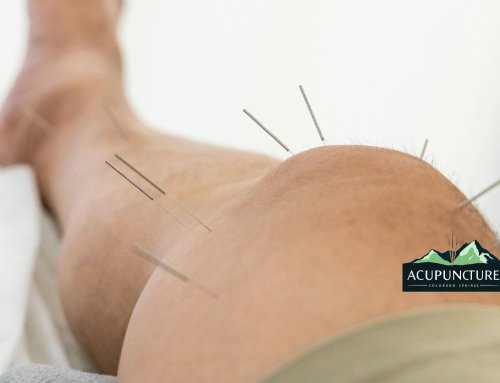
Sessions typically last 45–60 minutes using sterile, single-use needles placed at specific points on the body. Most patients find the treatment deeply relaxing, and many even fall asleep during the session.
Step 4 — Supportive Add-Ons When Helpful
Depending on your presentation, we may recommend complementary therapies such as cupping or herbal guidance. These options help address multiple layers of tension and enhance overall results.
Step 5 — Progress Timeline and Maintenance Care
Many patients begin with weekly sessions for four to six weeks. As symptoms improve, we transition to a maintenance schedule to support long-term balance.
This structured yet flexible approach helps your body shift from chronic stress patterns toward steadier regulation. The goal is not only relief during treatment but meaningful improvements in sleep, mood stability, and daily stress tolerance. With consistent care, you can navigate perimenopause feeling more balanced, grounded, and supported.
Why Personalized Care Matters for Perimenopause Symptoms
No two women experience perimenopause the same way. Some struggle primarily with hot flashes and night sweats, while others are more affected by mood changes, anxiety, and sleep disruption. Some women notice symptoms starting in their late 30s, while others don’t experience significant changes until their mid-40s or later. This variability is why personalized care is so important.
At our clinic, we don’t use generic treatment protocols or one-size-fits-all approaches. Every treatment plan is tailored to your unique symptoms, health history, and goals. We take into account factors such as your stress level, lifestyle, diet, sleep patterns, and how your body responds to the changing seasons and the high-altitude climate here in Colorado Springs. This individualized approach allows us to address the root causes of your symptoms and support long-term improvements in emotional balance, stress resilience, and overall well-being.
How to Get Started With Acupuncture for Perimenopause Stress and Anxiety
If you’re feeling overwhelmed by stress, anxiety, or mood changes during perimenopause, acupuncture may offer the natural, personalized support you’re looking for. The first step is to schedule a consultation at Acupuncture Colorado Springs, where we’ll take the time to understand your symptoms, answer your questions, and create a treatment plan that fits your needs and lifestyle. We’re here to help you feel more balanced, calm, and resilient as you navigate this transition.
| Symptom | How Acupuncture Supports Relief |
|---|---|
| Anxiety and Irritability | Calms the nervous system, regulates cortisol, and supports neurotransmitter balance |
| Mood Swings | Addresses hormonal fluctuations and promotes emotional stability through HPA axis modulation |
| Sleep Disruption | Reduces nighttime cortisol, regulates circadian rhythms, and promotes deeper sleep |
| Fatigue and Brain Fog | Lowers inflammation, supports adrenal function, and improves energy and mental clarity |
| Stress Overload | Activates parasympathetic nervous system, reduces stress hormone levels, and builds resilience |
You don’t have to manage perimenopause symptoms on your own or rely solely on medications that may come with unwanted side effects. Acupuncture offers a safe, evidence-informed way to support your body’s natural ability to regulate stress, balance hormones, and restore emotional equilibrium. Our clinic is located at 2525 W Pikes Peak Ave, Suite B, Colorado Springs, CO 80904, and we proudly serve the greater Colorado Springs area, including Manitou Springs, Old Colorado City, and Woodland Park.
Conclusion
Perimenopause doesn’t have to mean living with constant stress, anxiety, and emotional overwhelm. Acupuncture offers a safe, natural way to support your nervous system, balance your hormones, and restore a sense of calm and resilience during this transitional stage of life. At Acupuncture Colorado Springs, we provide personalized, root-cause-focused care that helps women feel more grounded, balanced, and in control of their health. If you’re ready to explore how acupuncture can support you through perimenopause, we invite you to schedule a consultation and take the first step toward feeling like yourself again.
Acupuncture Colorado Springs offers personalized Traditional Chinese Medicine to ease perimenopausal stress and anxiety. We address root causes, not just symptoms. Get started today.
FAQs
Does Acupuncture Help With Stress and Anxiety?
Yes—acupuncture can help reduce stress and anxiety by calming the nervous system, easing muscle tension, improving sleep, and supporting mood regulation. At Acupuncture Colorado Springs, we tailor treatment to your perimenopause pattern and triggers (like sleep disruption, hot flashes, or irritability) rather than using a one-size-fits-all protocol.
How Many Acupuncture Sessions Are Needed for Anxiety?
Many people notice changes within 3–6 sessions, with more lasting results often developing over 8–12 sessions, depending on the severity, duration, hormones, sleep, and lifestyle stress. We’ll recommend a personalized plan after a thorough intake and adjust based on how your body responds.
Where Are the Acupuncture Points for Anxiety and Stress?
Common points used for stress and anxiety may include the wrists, forearms, ears, lower legs, and between the eyebrows, as well as points that support digestion and sleep. Point selection is individualized—David W. Armstrong, L.Ac., chooses points based on your symptoms, pulse/tongue findings, and perimenopause-related patterns.
How Long Does It Take for Acupuncture to Work for Anxiety?
Some people feel calmer the same day or within 24–48 hours, while others notice more gradual improvement over a few weeks as sleep and stress reactivity stabilize. Consistency matters, and we track progress from session to session to refine your care plan.
Are There Any Side Effects of Acupuncture for Anxiety?
Side effects are usually mild and temporary, such as slight soreness, small bruising, or brief fatigue/relaxation after treatment. We use sterile, single-use needles and follow Colorado safety and hygiene standards to keep care comfortable and low-risk.