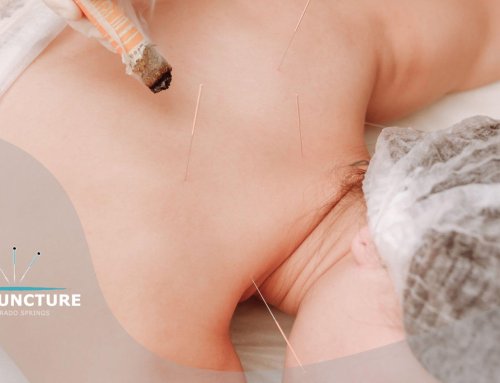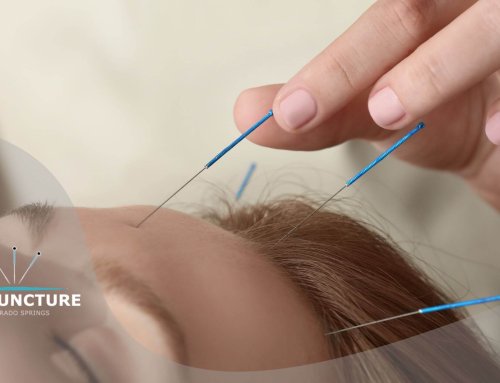
Stress has become a constant companion for many people living in Colorado Springs. Between demanding work schedules, family responsibilities, and the physical toll of high-altitude living, finding effective relief can feel overwhelming. Acupuncture has emerged as a trusted option for managing stress naturally, but the question remains: should you seek treatment at home or in a professional clinic?
This article examines the key differences between home acupuncture and in-clinic care for stress relief. You’ll learn about the benefits and limitations of each approach, what to expect from professional treatment, and how to make the best choice for your health and lifestyle.
Key Takeaways
- In-clinic acupuncture offers professional assessment, sterile conditions, and personalized treatment plans that address root causes of stress.
- At-home acupuncture devices lack the precision and expertise of licensed practitioners and may only provide surface-level relief.
- Professional acupuncture can be combined with other therapies, such as cupping, for comprehensive stress management.
- Licensed acupuncturists can adjust treatment protocols based on your unique symptoms, health history, and stress patterns.
- Clinic environments are designed to promote deep relaxation and nervous system regulation that home settings may not replicate.
Understanding Acupuncture at Home for Stress Relief
At-home acupuncture typically refers to self-administered devices or tools marketed for stress relief. These products range from acupressure mats to handheld electronic stimulators that claim to mimic professional acupuncture. Many people are drawn to these options because they seem convenient and affordable. The appeal of managing stress without leaving your house makes sense, especially when life feels too busy for regular appointments.
These devices work on a simple principle. They apply pressure or mild electrical stimulation to points on the body that correspond to acupuncture meridians. Some products come with apps or guides that suggest which points to target for anxiety or tension. The experience can feel relaxing in the moment, similar to a massage tool or heating pad.
| Feature | At-Home Devices | Professional Acupuncture |
|---|---|---|
| Precision | Generic pressure points | Customized point selection |
| Assessment | Self-guided or app-based | Licensed practitioner evaluation |
| Safety | Varies by product quality | Sterile, single-use needles |
| Treatment Depth | Surface stimulation only | Targeted depth and angle |
| Root Cause Focus | Symptom relief only | Addresses underlying patterns |
The reality is more complicated than the marketing suggests. True acupuncture involves precise needle placement at specific depths, angles, and locations based on a thorough assessment of your unique patterns of imbalance. A mat with plastic spikes or a device that vibrates cannot replicate the therapeutic mechanisms that occur when a trained practitioner selects points based on your pulse, tongue, symptoms, and health history. You might feel temporary relief from muscle tension, but the underlying stress patterns remain unaddressed.
The Benefits of In-Clinic Acupuncture
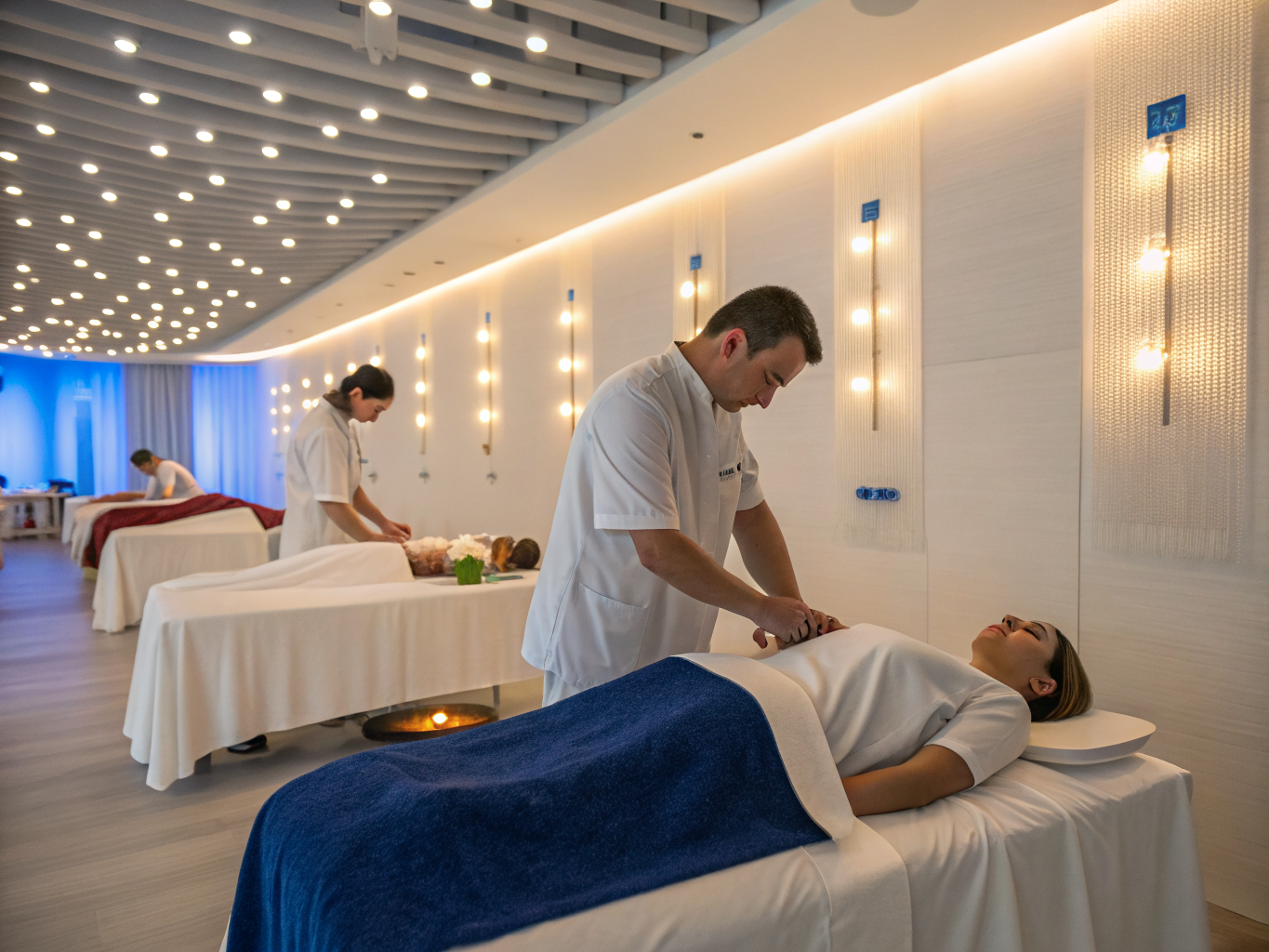
Professional acupuncture offers something fundamentally different from at-home tools. When you visit a licensed acupuncturist, your treatment begins with a conversation about your health history, current symptoms, and lifestyle factors contributing to your stress. This assessment allows the practitioner to identify the root causes of your tension rather than just masking symptoms. The clinic environment itself plays a role in healing, providing a calm space designed to help your nervous system shift from fight-or-flight mode to rest-and-restore.
1. Personalized Assessment and Treatment Planning
A licensed acupuncturist examines your pulse, tongue, and overall presentation to understand your unique stress patterns. This assessment reveals whether your stress manifests as anxiety, irritability, fatigue, or physical tension. Your treatment plan addresses these specific patterns rather than applying a generic protocol.
2. Precise Needle Placement and Technique
Professional practitioners know exactly where to place needles, at what depth, and with what manipulation technique to achieve the desired therapeutic effect. This precision cannot be replicated by devices or self-treatment. The difference between a needle placed at the correct location and one placed in an approximate area can determine whether you experience lasting relief or minimal benefit.
3. Integration With Complementary Therapies
Many clinics combine acupuncture with cupping therapy, therapeutic massage, or guidance on herbal medicine. This integrative approach addresses stress from multiple angles. Cupping releases muscle tension that accumulates from chronic stress, while massage therapy supports circulation and lymphatic drainage. These modalities work together to create deeper, more sustained relief than acupuncture alone.
4. Safe, Sterile Clinical Standards
Licensed acupuncturists follow strict safety protocols, including the use of sterile, single-use needles and proper hygiene practices. This eliminates the risk of infection or cross-contamination. Professional training also means your practitioner knows how to work safely around sensitive areas, adjust treatment for any health conditions you have, and respond appropriately if you feel uncomfortable during a session.
5. Environment Designed for Nervous System Regulation
The clinic setting provides a dedicated space for healing that most home environments cannot match. Soft lighting, comfortable treatment tables, and freedom from daily distractions help your body enter a parasympathetic state. This shift is essential for stress relief because it allows your nervous system to recalibrate and recover from chronic activation.
6. Ongoing Support and Treatment Adjustments
Your stress levels and symptoms will change over time. A professional practitioner tracks your progress and adjusts your treatment plan accordingly. This responsive care ensures you continue to make progress rather than plateau. Your acupuncturist can also provide lifestyle recommendations, breathing exercises, and dietary guidance to support your stress management between sessions.
Each session is tailored to your body’s needs that day. Your practitioner may combine acupuncture with other therapies to enhance stress relief and support long-term balance.
Common Challenges With Acupuncture at Home
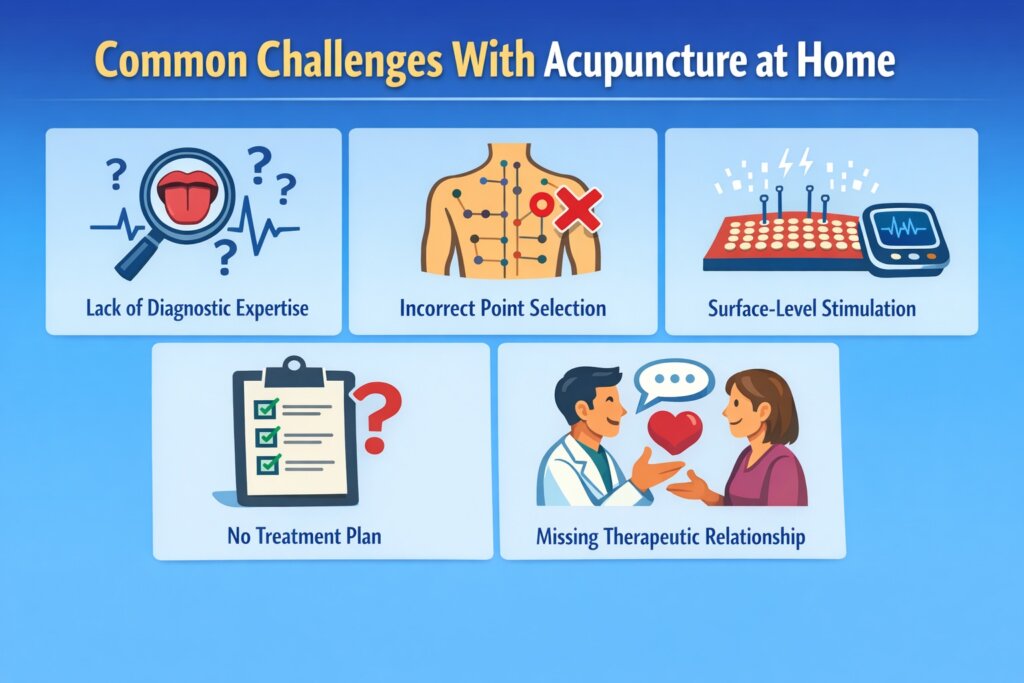
While the idea of managing stress at home sounds appealing, several significant limitations make it less effective than professional care. Understanding these challenges helps you make an informed decision about your health. The convenience of at-home devices comes with trade-offs that may undermine your wellness goals.
1. Lack of Diagnostic Expertise
You cannot accurately diagnose your own imbalances without training in Traditional Chinese Medicine principles. Stress manifests differently in different people, and effective treatment requires understanding these patterns. A device or app cannot assess your pulse quality, tongue coating, or the subtle signs that guide proper point selection.
2. Inconsistent or Inappropriate Point Selection
Even with guides or apps, selecting the right acupuncture points for your specific stress pattern is difficult. Using the wrong points may provide no benefit or could potentially worsen certain symptoms. Professional practitioners spend years learning how to choose and combine points for maximum therapeutic effect.
3. Surface-Level Stimulation Only
Acupressure mats and electronic devices stimulate the skin surface but cannot reach the depths required for true acupuncture effects. Real acupuncture needles reach specific tissue layers where they influence fascia, nerve endings, and local circulation. Surface stimulation may feel relaxing, but does not create the same physiological responses.
4. No Treatment Plan or Progression
Effective stress management requires a strategic treatment plan that evolves as your condition improves. At-home devices offer the same generic stimulation every time with no adjustment for your changing needs. This lack of progression limits your potential for lasting relief and healing.
5. Missing the Therapeutic Relationship
The relationship between patient and practitioner is itself therapeutic. Having someone listen to your concerns, validate your experience, and partner with you in your healing creates psychological and emotional benefits that devices cannot provide. This human connection supports stress relief in ways that extend beyond the physical treatment.
Most people who try at-home acupuncture devices eventually find them insufficient for meaningful stress relief. The experience might feel pleasant in the short term, but it rarely produces the lasting changes that come from addressing root causes with professional guidance.
What to Expect From Professional Acupuncture for Stress
Your first visit to a professional acupuncture clinic sets the foundation for your treatment plan. The process begins with an intake conversation where your practitioner asks about your stress symptoms, health history, sleep quality, digestion, and lifestyle factors. This comprehensive assessment helps identify the underlying patterns contributing to your stress. You might be wondering how this differs from a typical medical appointment.
The difference lies in the holistic approach. Your acupuncturist examines how different systems in your body interact and influence one another. Stress affects digestion, sleep, pain levels, and immune function. Professional treatment addresses these interconnections rather than treating stress as an isolated problem.
During treatment, you rest comfortably while fine needles are placed at specific points. Most people find the experience deeply relaxing, often falling into a restful state or light sleep. Sessions typically last 45 to 60 minutes, giving your body time to respond to the treatment. Many patients report feeling calmer and more grounded immediately after their first session, though lasting changes develop over a series of treatments.
The number of sessions needed varies based on how long you’ve been experiencing stress and how your body responds to treatment. Some people notice significant improvement after three to five sessions, while chronic stress patterns may require ongoing care. Your practitioner will discuss a realistic treatment timeline during your initial visit and adjust the plan as you progress.
How Acupuncture Colorado Springs Supports Stress Relief
We understand the unique stressors that affect people living in Colorado Springs. The combination of high altitude, dry climate, active lifestyles, and work-life pressures creates specific health challenges that require personalized care. Our approach begins with listening to your story and understanding what stress looks like in your life. We don’t apply generic protocols because your stress patterns are as individual as you are.
Every treatment plan we create addresses the root causes of your stress rather than just managing symptoms. We combine acupuncture with complementary therapies, such as cupping, when appropriate to support deeper relief. Our clinic environment is designed to help you step away from daily demands and reconnect with your body’s natural ability to heal and restore balance.
Led by David W. Armstrong, L.Ac., a board-certified acupuncturist with extensive training in Traditional Chinese Medicine, we bring both time-honored practices and modern, evidence-informed techniques to your care. We operate under Colorado state law and maintain the highest standards for safety, hygiene, and professional practice. Every needle we use is sterile and single-use, and all herbal products are professionally sourced for quality and purity.
Our location at 2525 W Pikes Peak Ave, Suite B makes us accessible to patients throughout the Colorado Springs area, including Manitou Springs, Old Colorado City, and Woodland Park. We serve the broader El Paso County community with compassionate, root-focused care that helps you move from surviving to thriving.
Making the Right Choice for Your Stress Relief
Choosing between at-home devices and professional acupuncture ultimately comes down to your goals. If you’re looking for temporary relaxation or mild symptom relief, at-home tools might provide some benefit. They can supplement other stress management practices like meditation, exercise, or breathing exercises. Think of them as similar to taking a warm bath or using a heating pad.
If you’re seeking lasting relief from chronic stress, anxiety, or stress-related symptoms like insomnia, digestive issues, or muscle tension, professional acupuncture offers a fundamentally different level of care. The personalized assessment, precise treatment, and ongoing support from a licensed practitioner address the underlying patterns causing your stress. This root-focused approach creates changes that persist beyond individual treatment sessions.
Consider your current stress level and how it affects your daily life. Are you experiencing physical symptoms like headaches, jaw clenching, or digestive upset? Do you feel anxious, irritable, or emotionally exhausted? Are you having trouble sleeping or recovering from daily demands? These signs suggest your stress has progressed beyond what surface-level interventions can address.
Professional acupuncture becomes especially important when stress has been present for months or years. Chronic stress creates patterns in your nervous system and body that require skilled intervention to shift. The longer these patterns persist, the more deeply they become established. Early professional intervention prevents stress from progressing to more serious health concerns.
Conclusion
Professional acupuncture offers comprehensive stress relief that at-home devices cannot match. The personalized assessment, precise treatment, and ongoing support from a licensed practitioner address root causes rather than just symptoms. When you’re ready to move beyond temporary fixes and invest in lasting stress relief, professional care provides the foundation for real healing and improved quality of life in Colorado Springs and beyond.
Acupuncture Colorado Springs offers personalized, in-clinic Traditional Chinese Medicine designed to relieve stress at its root. Our calm environment and expert care create lasting results. Get started today.
FAQs
Can You Do Acupuncture on Yourself at Home?
It’s not recommended. Proper acupuncture requires precise point location, correct depth and angle, and sterile technique—plus an individualized diagnosis to treat the root pattern, not just symptoms. For stress relief, many people do better with guided acupressure at home and in-clinic acupuncture with a licensed practitioner.
Is It Safe to Do Acupuncture at Home?
Generally, no. Without professional training, there’s higher risk of infection, bruising, nerve or tissue irritation, and missed contraindications (like pregnancy, bleeding disorders, or certain medications). In a licensed clinic like ours, we use sterile, single-use needles and follow Colorado safety and hygiene standards.
What Can I Use Instead of Acupuncture Needles at Home?
Acupressure is the safest alternative: use your fingers, a massage ball, or a blunt acupressure tool to apply steady, comfortable pressure. Other helpful options include heat (warm compress), gentle stretching, breathwork, or a calming herbal tea—ideally guided by a qualified professional if you have medical conditions or take medications.
How Do You Do Acupressure at Home for Pain Relief?
Choose one or two tender points near the area of discomfort, then apply firm-but-comfortable pressure for 30–60 seconds while breathing slowly; release, and repeat 2–3 times. Avoid pressing directly on inflamed skin, open wounds, or areas with numbness, and stop if pain increases or you feel dizzy.
Are At-Home Acupuncture Kits Effective?
Results are inconsistent, and safety depends heavily on the user’s training. Some kits (like acupressure mats or non-penetrating tools) may help with temporary tension relief, but they don’t replace a personalized, root-cause-focused treatment plan. For reliable stress relief and longer-term change, in-clinic care with a licensed acupuncturist is typically more effective.