You may have heard of acupuncture before, but Taoist acupuncture is a specific approach that goes deeper than simply placing needles into the body. It draws from ancient Chinese philosophy, particularly the teachings of Taoism, to understand how energy flows through the body and what happens when that flow is disrupted. This style of practice is not just about treating symptoms. It is about understanding the person as a whole and working with the body’s natural rhythms rather than against them.
This article covers what Taoist acupuncture actually is, how it differs from other acupuncture styles, the core principles that guide it, and the benefits it may offer. You will also learn how this approach is typically applied and what a session generally involves.
Key Takeaways
- Taoist acupuncture is rooted in ancient Chinese philosophy and focuses on restoring the natural flow of energy through the body.
- It treats the root cause of imbalance rather than surface-level symptoms alone.
- Core principles include the concepts of Qi, Yin and Yang, the Five Elements, and the natural flow of life force through acupuncture points.
- Taoist acupuncture may support pain management, stress reduction, digestive health, and hormonal balance.
- A licensed, experienced practitioner is essential for safe and effective treatment.
- Acupuncture Colorado Springs offers personalized acupuncture care led by David W. Armstrong, L.Ac.
Before getting into the specifics, it helps to understand where Taoist acupuncture comes from and why its philosophical foundation matters so much to how treatment is delivered.
What Is Taoist Acupuncture and How Does It Differ From Other Acupuncture Styles?

Taoist acupuncture is a branch of Traditional Chinese Medicine that applies the philosophical framework of Taoism to the practice of needle therapy. Taoism teaches that all of life moves in patterns, cycles, and flows, and that health is simply the state of being in harmony with those natural patterns. When something disrupts that harmony, whether it is stress, injury, poor diet, or emotional strain, the body begins to show signs of imbalance.
In practical terms, Taoist acupuncture uses specific acupuncture points along meridian pathways to restore the flow of Qi, which translates roughly to life force or vital energy. The goal is not to override the body but to gently guide it back to a state where it can regulate itself.
You might be wondering how this differs from standard acupuncture. The distinction lies primarily in the philosophy guiding the treatment decisions. While many modern acupuncture styles focus on evidence-based protocols for specific conditions, Taoist acupuncture places greater emphasis on reading the individual’s overall pattern of imbalance and treating accordingly. Two people with lower back pain, for example, may receive very different treatments under a Taoist approach because their underlying patterns may be entirely different.
| Feature | Taoist Acupuncture | Standard Protocol-Based Acupuncture |
|---|---|---|
| Focus | Individual pattern of imbalance | Condition-specific point protocols |
| Philosophy | Taoist principles: Qi, Yin/Yang, Five Elements | Evidence-based or symptom-focused |
| Treatment variation | Highly individualized per session | Often follows a fixed point selection |
| Goal | Restore natural energy flow and root balance | Reduce specific symptoms |
| Session structure | Includes in-depth intake and observation | May follow a shorter assessment process |
This distinction matters because it shapes every decision made during your care, from which acupuncture points are selected to how your progress is evaluated over time.
The Core Principles That Guide Taoist Acupuncture

Understanding the principles behind Taoist acupuncture helps you make sense of what happens during a session and why certain choices are made. These are not abstract ideas. They are practical frameworks that guide how a practitioner reads your body and selects treatment.
1. Qi and the Flow of Life Energy Through Acupuncture Points
Qi is the foundational concept in Taoist acupuncture. It refers to the vital energy that flows through the body along specific pathways called meridians, and acupuncture points are the locations where that energy can be accessed and influenced. When Qi flows freely, the body tends to function well. When it stagnates or becomes deficient, symptoms begin to appear.
2. Yin and Yang Balance in Taoist Acupuncture
Taoism teaches that all things exist in dynamic relationship with their opposite. Yin represents qualities like coolness, rest, and moisture, while Yang represents warmth, activity, and dryness. In Taoist acupuncture, a practitioner assesses whether a patient is too Yin or too Yang in various organ systems and uses acupuncture to bring those qualities back into balance.
3. The Five Elements Framework
The Five Elements, which are Wood, Fire, Earth, Metal, and Water, correspond to organ systems, emotions, seasons, and physical functions. A Taoist acupuncturist uses this framework to identify which element is out of balance and what that imbalance reveals about a patient’s overall health pattern. It is a layered system that connects physical symptoms to emotional and seasonal influences.
4. The Meridian System and Acupuncture Points
Meridians are the channels through which Qi travels, and each meridian is associated with a specific organ system. Taoist acupuncture maps these pathways carefully, selecting acupuncture points that address not just the area of pain or discomfort but the underlying energetic root of the problem. This is what makes it different from simply treating where it hurts.
5. Wu Wei: Working With the Body, Not Against It
Wu Wei is a Taoist concept that roughly means effortless action or non-interference. In the context of acupuncture, it means supporting the body’s own healing capacity rather than forcing a particular outcome. Treatment is gentle, strategic, and patient-centered rather than aggressive or prescriptive.
6. Seasonal and Environmental Awareness
Taoism places great importance on living in harmony with the seasons and the natural environment. A Taoist acupuncturist considers the time of year, climate, and even a patient’s local environment when designing treatment. In Colorado Springs, for example, the dry, high-altitude climate and dramatic seasonal shifts can affect how Qi moves through the body, making this awareness especially relevant for patients here.
These principles work together to create a treatment approach that is both nuanced and deeply personal. No two patients are treated the same way, even if they come in with the same complaint.
Taoist Acupuncture Benefits for Pain Management and Whole-Body Health

One of the most common reasons people seek out Taoist acupuncture is pain. Whether it is chronic lower back pain, joint stiffness, headaches, or tension from long workdays, acupuncture and pain management have a well-established relationship in both traditional practice and modern research. But the benefits extend well beyond physical pain.
At Acupuncture Colorado Springs, led by David W. Armstrong, L.Ac., we work with patients across a wide range of concerns using a personalized approach that looks beyond the surface. If you are dealing with pain that has not responded to other treatments, or stress that has started to affect your sleep and digestion, our personalized care plans may offer a path forward that addresses what is actually driving those symptoms.
Here are some of the key acupuncture benefits associated with a Taoist approach:
1. Acupuncture and Pain Management
Taoist acupuncture may help reduce chronic pain by addressing the energetic patterns that contribute to it, not just the location of discomfort. Research published through the National Institutes of Health has shown that acupuncture can stimulate the nervous system and influence pain-modulating pathways in the brain.
2. Stress and Anxiety Reduction
By targeting acupuncture points associated with the nervous system and the Heart and Liver meridians, Taoist acupuncture may help calm the stress response. Patients often report feeling noticeably more settled after sessions, even when they came in primarily for a physical complaint.
3. Digestive Support
The Earth element in Taoist acupuncture governs digestion and the Spleen and Stomach organ systems. When this element is out of balance, patients may experience bloating, irregular bowel movements, or low appetite. Targeted acupuncture points can help regulate digestive function and reduce inflammation in the gut.
4. Hormonal and Menstrual Health
Many women dealing with PMS, irregular cycles, or perimenopausal symptoms find that Taoist acupuncture offers meaningful support. The Liver meridian, which plays a central role in regulating Qi and blood flow, is often a key focus in women’s health treatments.
5. Improved Sleep Quality
Sleep disturbances are often tied to imbalances in the Heart, Kidney, or Liver meridians in Taoist theory. Acupuncture points selected to calm the mind and nourish Yin energy may help patients fall asleep more easily and stay asleep longer.
6. Energy and Fatigue Recovery
Persistent fatigue, especially the kind that does not improve with rest, is often a sign of Qi deficiency or Kidney depletion in Taoist acupuncture. Treatment aimed at rebuilding foundational energy can support better stamina and mental clarity over time.
These benefits are not isolated from one another. Because Taoist acupuncture treats the whole person, improvements in one area often create positive shifts in others. A patient who comes in for back pain may find their sleep improves too, not as a coincidence but as a natural result of restoring overall balance.
What to Expect During a Taoist Acupuncture Session
Knowing what happens in a session can make the experience feel less unfamiliar, especially if this is your first time. A Taoist acupuncture session is not a rushed appointment. It is a thoughtful process that begins before a single needle is placed.
A session typically starts with a conversation about your health history, current symptoms, lifestyle, and goals. The practitioner will also observe your tongue, assess your pulse at several positions, and ask about patterns like your sleep, digestion, energy levels, and emotional state. This intake process is central to Taoist diagnosis because it reveals the energetic pattern underlying your symptoms.
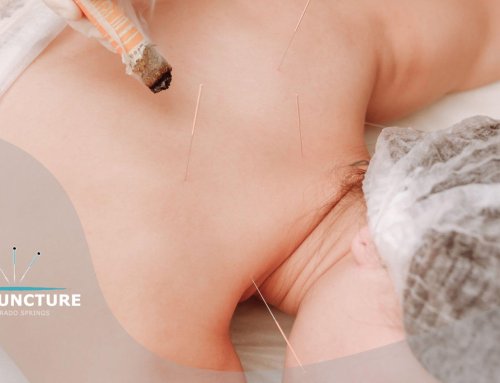
From there, a personalized point selection is made and fine, sterile, single-use needles are placed at specific acupuncture points. Most patients feel little to no discomfort. Some describe a mild heaviness or warmth at the needle site, which is considered a sign that Qi is responding. You will then rest for approximately 20 to 30 minutes while the needles do their work.
| Session Phase | What Happens | Duration |
|---|---|---|
| Intake and Assessment | Health history, pulse, tongue, lifestyle review | 20–30 minutes (first visit) |
| Treatment Planning | Point selection based on Taoist diagnosis | 5–10 minutes |
| Needle Placement and Rest | Sterile needles placed, patient rests quietly | 20–30 minutes |
| Post-Treatment Discussion | Observations, recommendations, follow-up plan | 5–10 minutes |
A practitioner may also recommend complementary support through Chinese herbal medicine guidance or cupping therapy depending on your pattern. These additional therapies can deepen and extend the benefits of your acupuncture treatment, and a good practitioner discusses all options openly so you can make informed choices about your care.
If you are in the Colorado Springs area and curious about whether acupuncture is right for you, we invite you to reach out and schedule a consultation. Our clinic at 2525 W Pikes Peak Ave, Suite B, Colorado Springs, CO 80904 serves patients from across El Paso County, including Manitou Springs, Old Colorado City, and Woodland Park.
Wrapping Up: Is Taoist Acupuncture Right for You?
Taoist acupuncture offers a grounded, individualized path toward better health that goes beyond symptom management. It asks why your body is struggling and works to restore the conditions that allow it to heal. If you are ready to explore a care approach that treats the whole person, Acupuncture Colorado Springs is here to help you take that step with clarity and confidence.
Acupuncture Colorado Springs offers board-certified Traditional Chinese Medicine care. David W. Armstrong, L.Ac., crafts personalized treatment plans addressing root causes. Get started today—call us and begin your path to lasting balance.
FAQs
What Is Taoist Acupuncture?
Taoist acupuncture is an approach to acupuncture informed by Taoist principles—working with the body’s natural rhythms, cultivating balance, and supporting the smooth flow of qi (vital energy). In practice, it often emphasizes gentle, individualized treatment aimed at restoring harmony at the root of symptoms rather than only chasing pain or discomfort.
How Is Taoist Acupuncture Different From Traditional Chinese Acupuncture?
Both are rooted in Traditional Chinese Medicine and use the same core tools (diagnosis, meridians, and acupuncture points). Taoist-influenced acupuncture may place extra focus on constitutional patterns, prevention, and long-term balance—often using fewer, more precisely chosen points and a calmer, “reset the system” treatment style. A skilled practitioner can blend these methods based on your needs.
Does Acupuncture Align With Taoism?
Yes. Acupuncture aligns well with Taoist concepts like harmony, yin-yang balance, and living in accordance with nature. While acupuncture is medical rather than religious, many of its foundational ideas overlap with Taoist philosophy—supporting the body’s ability to self-regulate when obstacles to balance are addressed.
What Are The Benefits Of Taoist Acupuncture?
Potential benefits include reduced pain and tension, improved stress resilience, better sleep, steadier energy, and support for digestion, mood, and overall balance. Many people also notice a deeper sense of calm and “reset” after treatment, especially when care is tailored to their underlying pattern, lifestyle, and goals.
How Many Acupuncture Sessions Are Typically Needed To See Results?
Some people feel changes after 1–3 sessions, especially for stress or acute pain, while longer-standing issues often take a series of visits. A common plan is weekly care for 4–8 sessions, then tapering as symptoms stabilize. Your timeline depends on how long the issue has been present, its severity, and how your body responds to a personalized treatment plan.