Acupuncture has been used for centuries as a natural approach to managing head pain, and today it is one of the more studied non-drug options for people dealing with recurring migraines. If you are exploring natural remedies for headaches and wondering whether acupuncture is safe, you are not alone. Many patients in Colorado Springs ask this exact question before booking their first session.
This article covers the side effects of acupuncture for migraines in plain, honest terms. You will learn what mild reactions are common, which serious complications are rare, who faces higher risks, and how working with a qualified practitioner can reduce those risks significantly. We will also touch on how acupuncture compares to standard migraine medications and what to expect before, during, and after treatment.
Key Takeaways
- The side effects of acupuncture for migraines are usually mild and short-lived, such as minor bruising or temporary fatigue.
- Serious complications are rare and are most often linked to improper technique or underlying health conditions.
- Acupuncture shows a lower rate of adverse events compared to many common migraine medications.
- Certain groups, including people on blood thinners or with bleeding disorders, need extra precautions before starting treatment.
- Working with a board-certified, licensed acupuncturist significantly reduces your risk of experiencing any negative reaction.
- Post-treatment planning, like avoiding driving right after a session, can help you manage mild after-effects comfortably.
Side Effects of Acupuncture for Migraines: What the Research Shows
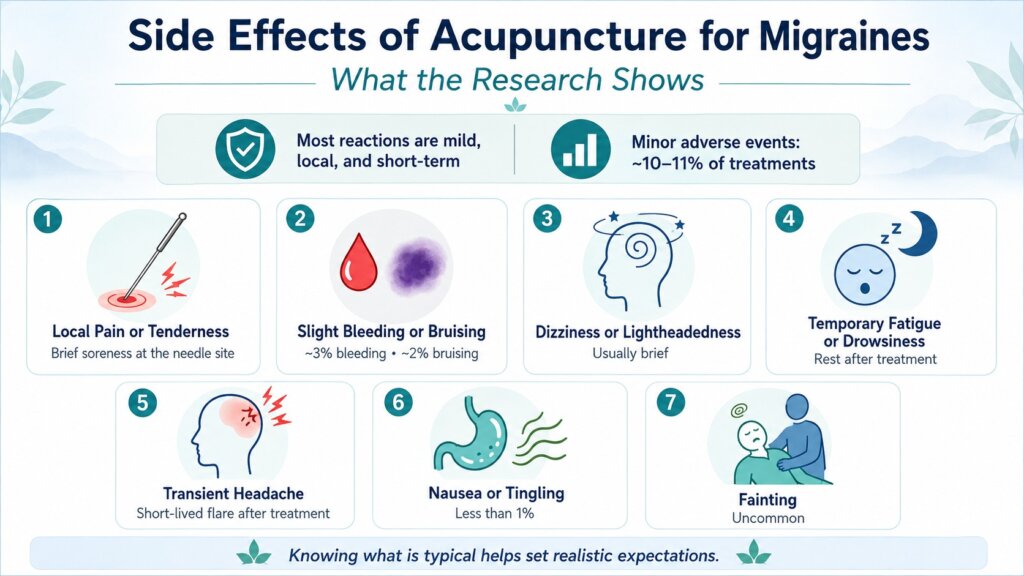
When people think about acupuncture risks, they often imagine something more dramatic than what the clinical data actually supports. Research across multiple prospective studies and systematic reviews consistently shows that most reactions are mild, local, and short-term. Understanding what is typical versus what is genuinely rare helps you make a more informed decision about your care.
Large safety analyses estimate that minor adverse events occur in roughly 10 to 11 percent of acupuncture treatments. The most common reactions involve the needle insertion site itself, not the body as a whole.
Here is a breakdown of what researchers have found most often:
1. Local Pain or Tenderness at the Needle Site
A small amount of discomfort during or after needle insertion is the most frequently reported reaction. This is generally brief and fades within minutes to a few hours after your session ends.
2. Slight Bleeding or Bruising
Minor bleeding at the needle site occurs in approximately 3 percent of treatments, and small bruises or hematomas appear in around 2 percent of cases. These are considered standard needle-related responses and typically resolve on their own within a few days.
3. Dizziness or Lightheadedness
Some patients feel briefly lightheaded during or after treatment, especially if they came in on an empty stomach or are particularly sensitive to needling. Lying down during the session and resting briefly afterward can help manage this reaction well.
4. Temporary Fatigue or Drowsiness
Feeling unusually tired after acupuncture is actually quite common and is often interpreted as the body shifting into a deeper state of rest. For migraine patients, this can feel like a welcome relief, though it does mean you should plan to avoid driving or operating heavy equipment right after your appointment.
5. Transient Headache After Treatment
A small number of patients report a temporary worsening of head pain immediately following their session. This is generally short-lived and does not mean the treatment is failing. It is simply the body responding to stimulation of migraine headache pressure points and nearby tissue.
6. Nausea or Tingling
Mild nausea and tingling sensations, sometimes called paresthesia, are occasionally reported. These reactions occur in less than 1 percent of patients and tend to resolve quickly without any intervention needed.
7. Fainting
Vasovagal syncope, or fainting, is uncommon but documented. It is more likely in patients who are anxious, dehydrated, or have not eaten before their session. A skilled practitioner will screen for these factors and take precautions accordingly.
Knowing what is typical helps set realistic expectations. Most of these reactions are manageable and far less disruptive than the side effects commonly associated with prescription migraine medications, which we will compare in more detail shortly.
Serious Side Effects of Acupuncture for Migraines and Migraine Headache Causes That Increase Risk
Serious complications from acupuncture are genuinely rare, particularly when treatment is performed by a trained and licensed practitioner using sterile, single-use needles. That said, they are worth understanding, especially if you have existing health conditions that could affect how your body responds.
The most significant serious risks include pneumothorax, vascular injury, and severe neurological events. These outcomes are almost exclusively associated with improper needle depth, poor anatomical knowledge, or reused equipment, none of which apply when you work with a certified provider. Certain factors can increase your personal risk level, even with a skilled practitioner:
- Bleeding disorders: Conditions like hemophilia or low platelet counts increase the likelihood of bruising or internal bleeding at needle sites.
- Anticoagulant medications: Blood thinners such as warfarin or aspirin therapy can amplify bleeding responses at needle insertion points.
- Pacemakers or implanted devices: Electrical stimulation techniques sometimes used alongside acupuncture may not be appropriate for patients with certain cardiac devices.
- Pregnancy: Some acupuncture points are traditionally avoided during pregnancy due to their stimulating effects on uterine activity.
- Compromised immune function: Patients undergoing chemotherapy or managing autoimmune conditions may need modified treatment protocols.
- Active skin infections: Needling through inflamed or infected skin should be avoided to prevent spreading bacteria deeper into tissue.
You might be wondering whether your personal health history makes acupuncture too risky. The honest answer is that most people are good candidates, but a thorough intake process matters. At Acupuncture Colorado Springs, every new patient begins with a detailed health history conversation before any needles are placed. David W. Armstrong, L.Ac., reviews your medications, existing conditions, and wellness goals to build a plan that is safe and appropriate for you specifically. If you are in Colorado Springs or surrounding communities like Manitou Springs or Woodland Park and managing migraines alongside other health conditions, that individualized assessment is where safe care starts.
How the Side Effects of Acupuncture for Migraines Compare to Medication Options for Migraine Vs Headache Management

One of the more compelling reasons people explore acupuncture as a natural remedy for headaches is the side effect profile of standard migraine drugs. When you place the two approaches side by side, the difference is notable. Research comparing acupuncture to common migraine medications consistently shows that acupuncture produces fewer systemic adverse effects.
The table below summarizes what clinical studies have found when comparing these two approaches:
| Side Effect Category | Acupuncture for Migraines | Common Migraine Medications |
|---|---|---|
| Nausea | Rare, mild, and brief | Common, especially with triptans and opioids |
| Weight changes | Not reported | Noted with some preventive drugs like valproate |
| Cognitive effects | Not reported | Brain fog reported with topiramate |
| Dizziness | Mild, occurs in under 1-3% of sessions | Frequently reported with multiple drug classes |
| Medication overuse headache | Not applicable | A real risk with frequent analgesic use |
| Local bruising or bleeding | Occurs in roughly 2-3% of treatments | Not applicable |
| Fatigue after treatment | Temporary, often welcome | Sedation reported with some preventive agents |
This comparison is not meant to suggest acupuncture replaces medical care. For some patients, medication is necessary and appropriate. The point is that acupuncture offers a legitimate option with a favorable safety profile, particularly for people who have struggled with drug side effects or medication-overuse headaches tied to frequent analgesic use.
Pressure Points for Migraine Headache and Why Proper Technique Matters for Reducing Side Effects of Acupuncture for Migraines
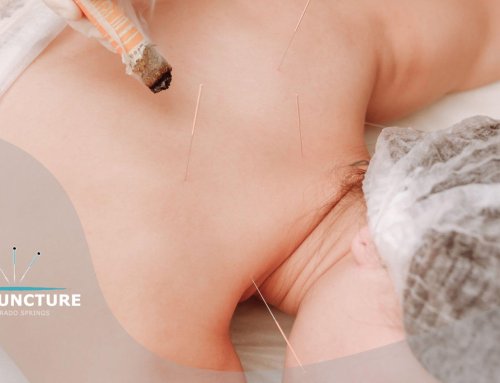
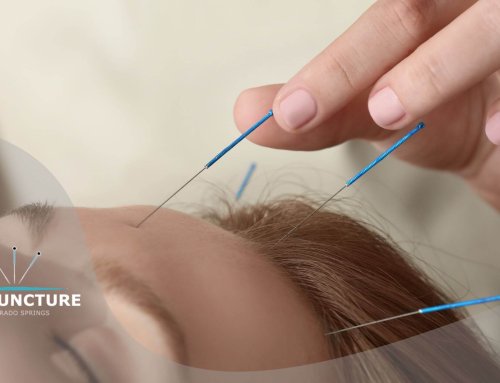
Acupuncture for migraines typically involves stimulating specific migraine headache pressure points on the scalp, neck, hands, and feet. These pressure points for migraine headache are selected based on Traditional Chinese Medicine patterns as well as the individual presentation of your symptoms. The way these points are needled, meaning the angle, depth, and technique, directly affects both the therapeutic outcome and the likelihood of side effects.
Improper needling technique is the single biggest factor behind serious complications in acupuncture literature. This is why the credentials and training of your practitioner are not a minor detail. They are the most important safety variable in your entire treatment experience.
Here is what proper technique looks like in a professional setting:
- Sterile, single-use needles are opened in front of you and disposed of immediately after each session.
- Needle depth is calibrated to the specific point location and your body type, never a one-size-fits-all insertion.
- Points near sensitive structures like the lungs, major vessels, or spinal cord are approached with precise anatomical knowledge.
- Your comfort and response are monitored throughout the session, not just at the start.
- Post-needling care includes brief rest time and guidance on what to expect over the next 24 hours.
Our clinic follows all Colorado state licensing regulations and hygiene standards. David Armstrong uses only professionally sourced, sterile equipment, and every treatment session is designed around your current health status, not a generic migraine protocol. If you are curious about what a session actually feels like, our post on what to expect at your first acupuncture visit walks through the process in detail.
Practical Steps to Minimize Side Effects of Acupuncture for Migraines Before and After Your Session
There are things you can do on your end to reduce the chance of experiencing even mild side effects. Most of these are simple adjustments to how you prepare for and recover from your appointment. Patients who follow these steps tend to have more comfortable sessions and clearer results over time.
- Eat a light meal beforehand. Coming in on an empty stomach increases your risk of dizziness or fainting. A small snack one to two hours before your session is enough to stabilize your blood sugar.
- Stay hydrated. Colorado Springs sits at high altitude, and the dry climate here accelerates dehydration faster than many people realize. Drink water consistently the day of your appointment.
- Wear loose, comfortable clothing. Access to the lower legs, forearms, and upper back is often needed. Tight clothing can make positioning uncomfortable and limit the practitioner’s reach to key pressure points.
- Avoid strenuous exercise immediately after. Give your body a few hours to integrate the treatment before heading back to a workout. This is especially relevant for active patients managing migraines alongside a demanding physical routine.
- Plan not to drive right after, at least initially. Until you know how your body responds to treatment, arrange a ride or allow yourself 20 to 30 minutes of rest before getting behind the wheel.
- Communicate openly with your practitioner. If you feel unusual discomfort during a session, say something. A skilled acupuncturist will adjust needle placement or technique immediately based on your feedback.
- Track your response between sessions. Note any changes in migraine frequency, intensity, or duration in a simple journal. This information helps your practitioner refine your care plan over time.
If you are managing migraines alongside other stressors common to life in Colorado Springs, including altitude-related fatigue, work pressure, or seasonal changes, sharing that full picture with your practitioner helps them design a more complete and effective approach. At Acupuncture Colorado Springs, we also offer complementary support through cupping therapy, which can work alongside acupuncture to address tension patterns that contribute to migraine headache causes. Exploring these options as part of a broader care plan may support more consistent, lasting relief than any single treatment alone.
Conclusion
The side effects of acupuncture for migraines are mostly mild, brief, and manageable when treatment is performed by a qualified practitioner. Serious complications are rare and largely preventable with proper technique, thorough intake screening, and honest communication between you and your provider. If you are ready to explore acupuncture as part of your migraine care in Colorado Springs, we invite you to schedule a consultation with David W. Armstrong, L.Ac., at Acupuncture Colorado Springs, located at 2525 W Pikes Peak Ave, Suite B, Colorado Springs, CO 80904, where personalized, root-cause-focused care is the standard, not the exception.
Acupuncture Colorado Springs offers board-certified migraine acupuncture care using sterile, single-use needles for your safety. David W. Armstrong, L.Ac., creates personalized treatment plans targeting migraine root causes. Get started today by booking your consultation.
FAQs
What Are the Negative Side Effects of Acupuncture for Migraines?
Most people have mild, temporary effects such as slight soreness, bruising, a small spot of bleeding, fatigue, or feeling very relaxed after treatment. Less commonly, some people notice short-term lightheadedness or a brief headache change. At Acupuncture Colorado Springs, we tailor point selection and needle technique to your migraine pattern and comfort to keep side effects minimal.
Can Acupuncture Make Migraines Worse at First?
It can happen, but it’s uncommon. Some patients experience a short-lived “adjustment” period—such as a temporary increase in symptoms or a different-feeling headache—especially when stress, sleep, hydration, or medication changes are also in play. If this occurs, we adjust the treatment plan (points, intensity, frequency) and review triggers so care stays safe and supportive.
How Long Do Acupuncture Side Effects Last?
Typical side effects—like mild soreness, bruising, or fatigue—usually resolve within a few hours to 1–2 days. Bruising, if it occurs, may take several days to fade. If anything feels intense, persists, or concerns you, we recommend contacting your acupuncturist promptly for guidance.
Is Acupuncture Safe for Migraines and Who Should Avoid It?
Acupuncture is generally considered safe for migraines when performed by a licensed, board-certified practitioner using sterile, single-use needles. People who should use extra caution or seek medical guidance first include those with bleeding disorders, those on blood thinners, individuals with severe needle phobia or fainting history, and anyone who is pregnant (some points are avoided). If you have sudden “worst headache,” new neurological symptoms, fever, or a major change in headache pattern, seek urgent medical evaluation before acupuncture.
What Are the Most Common Risks of Acupuncture (e.g., Bruising, Bleeding, Infection)?
The most common risks are minor bruising, slight bleeding, temporary soreness, or lightheadedness. Infection risk is very low when sterile, single-use needles and proper skin hygiene are used—standards we follow in accordance with Colorado licensing and safety regulations. Serious complications are rare and are further minimized by proper training, clean technique, and individualized treatment planning.