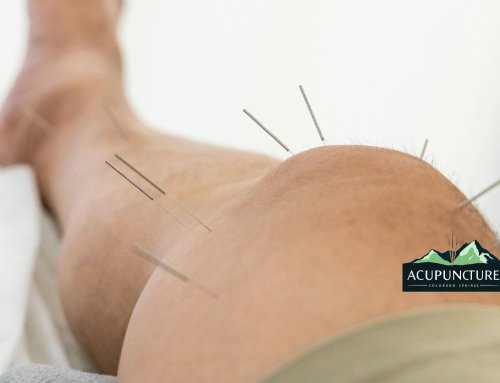
Nerve pain can feel relentless. It radiates, burns, tingles, or shoots down your leg or arm without warning. If you’re considering acupuncture for relief, you might also be asking a reasonable question: Can acupuncture make nerve pain worse? It’s a valid concern, especially if you’ve already tried other treatments without success or experienced discomfort during past therapies.
This article explores what happens when acupuncture is used for nerve pain, including sciatica and lower back pain. You’ll learn about potential side effects, what causes temporary discomfort, and how to choose a qualified practitioner who prioritizes your safety and comfort throughout every session.
Key Takeaways
- Acupuncture rarely worsens nerve pain when performed by a licensed, board-certified practitioner using proper technique.
- Temporary soreness or mild achiness after treatment is normal and typically resolves within 24 to 48 hours.
- Choosing an experienced acupuncturist who understands nerve pain conditions is essential for safe, effective care.
- Acupuncture may help relieve sciatica pain and lower back pain by stimulating endorphin release and calming overactive nerve signals.
- Open communication with your practitioner about your symptoms and comfort level ensures a personalized, supportive treatment experience.
Can Acupuncture Make Nerve Pain Worse?

The short answer is that acupuncture is unlikely to worsen nerve pain when administered by a qualified, licensed acupuncturist. Most patients experience relief, or no change, and serious adverse effects are rare. Studies and clinical experience suggest that acupuncture can support the body’s natural pain-relief mechanisms without causing long-term harm or intensifying symptoms.
That said, some people do report temporary discomfort during or after a session. This might include mild soreness at needle sites, a brief increase in sensitivity, or a feeling of heaviness in the treated area. These sensations are typically short-lived and often indicate that the body is responding to the treatment.
Understanding why these reactions occur can help you feel more confident about trying acupuncture for conditions like sciatica, lower back pain, or radiating discomfort down your arm or leg.
Before we explore the reasons behind temporary discomfort, it’s important to recognize that not all nerve pain is the same. The underlying cause, the severity of inflammation, and your individual response to treatment all play a role in how your body reacts to acupuncture.
Why Some People Feel Temporary Discomfort After Acupuncture

Acupuncture works by inserting hair-thin needles into specific points on the body to stimulate nerve fibers, improve circulation, and encourage the release of endorphins. These are the body’s natural painkillers. When done correctly, the process is gentle and well-tolerated.
But occasionally, patients notice a brief flare-up in symptoms or mild achiness after their first or second session. This doesn’t mean the treatment made your condition worse. It often reflects the body’s initial adjustment to increased circulation or the release of tension that has been building for weeks or months.
Think of it like stretching a tight muscle. The first few stretches might feel uncomfortable, but over time, the muscle loosens, and pain decreases. Acupuncture can trigger a similar response in the nervous system.
1. Increased Blood Flow to Inflamed Areas
Acupuncture promotes circulation, which can temporarily heighten awareness of inflammation or tension in the treated area. This is usually a sign that healing is beginning, not that damage is occurring.
2. Release of Muscle Tension
If your nerve pain is related to muscle tightness or spasm, acupuncture may cause those muscles to relax quickly. This sudden release can feel strange or mildly uncomfortable at first, especially if you’ve been holding tension for a long time.
3. Nervous System Recalibration
Chronic nerve pain often involves sensitized nerve pathways. Acupuncture helps calm overactive signals, but this recalibration process can cause temporary fluctuations in sensation as your nervous system adjusts.
4. Needle Placement Near Sensitive Nerves
In rare cases, a needle may be placed close to a particularly sensitive nerve branch, causing a brief sharp sensation or tingling. A skilled acupuncturist will adjust the needle immediately if this happens, and the discomfort typically resolves within seconds.
5. Detoxification or Qi Movement
In Traditional Chinese Medicine, acupuncture is understood to move stagnant energy or Qi. Some patients report feeling tired, emotional, or slightly achy after treatment as their bodies process this shift. This is considered a normal part of the healing response.
How to Choose a Qualified Acupuncturist for Nerve Pain Relief
Not all acupuncturists have the same level of training or experience. If you’re dealing with nerve pain, it’s important to choose a practitioner who understands the complexities of conditions like sciatica, lower back pain, and radiating discomfort.
Look for someone who is board-certified and licensed in your state. In Colorado, acupuncturists must complete extensive education and pass national board exams to practice legally. You should also feel comfortable asking about their experience with nerve pain specifically.
At Acupuncture Colorado Springs, David W. Armstrong, L.Ac., brings decades of clinical experience and a deep understanding of both Traditional Chinese Medicine principles and modern, evidence-informed techniques. We take time to listen, assess, and design a plan that fits your life, your goals, and your body’s unique needs.
What to Expect During Your First Acupuncture Session for Nerve Pain
If you’ve never tried acupuncture before, it’s natural to feel a little uncertain about what will happen. At our clinic, every session begins with a thoughtful conversation about your health history, your pain patterns, and your goals. We want to understand not just where it hurts, but how your pain affects your daily life, your sleep, and your ability to do the things you love.
1. Initial Consultation and Assessment
We’ll ask about your pain history, any past treatments, and your current symptoms. This helps us identify the underlying patterns contributing to your nerve pain.
2. Personalized Needle Placement
Needles are placed based on your unique condition, not a one-size-fits-all approach. We may target points near the painful area as well as points on other parts of the body that support overall balance and circulation.
3. Rest and Relaxation
After the needles are in place, you’ll rest quietly for 20 to 30 minutes. Many patients find this time deeply relaxing, and some even fall asleep.
4. Post-Treatment Guidance
Before you leave, we’ll talk about what to expect over the next day or two. We may recommend gentle stretching, hydration, or rest, depending on your condition.
5. Follow-Up and Adjustment
Acupuncture is most effective when delivered in a series of sessions. We’ll schedule follow-up visits based on your response and adjust the treatment plan as needed to support your progress.
Once we’ve gathered that information, we’ll create a treatment plan tailored to your needs. There’s no generic protocol here. We look at the whole picture, including factors like Colorado Springs’ high altitude, dry climate, and the physical demands of your work or hobbies.
During the treatment itself, you’ll lie comfortably on a padded table while we insert a small number of needles into specific points. Most people feel little to no discomfort during insertion. Some points may cause a brief tingling or dull ache, which is often a sign that the point is active and responding.
Why Root-Cause Care Matters for Long-Term Nerve Pain Relief
At Acupuncture Colorado Springs, we believe that lasting relief comes from addressing the root causes of pain, not just masking symptoms. That means looking beyond the immediate discomfort to understand what’s driving the problem in the first place.
For some patients, nerve pain is linked to chronic stress, poor sleep, or lifestyle habits that contribute to inflammation and tension. For others, it’s related to structural issues, past injuries, or underlying health conditions. By taking time to assess the whole picture, we can design a treatment plan that supports both immediate relief and long-term wellness.
This approach also means we don’t rush through appointments or rely on generic treatment protocols. Every session is tailored to your unique needs, and we adjust the plan as you progress. Our goal is to help you move, sleep, and live with more comfort and ease, without relying solely on medications or invasive procedures.
Conclusion
Acupuncture is a safe, natural option for nerve pain when performed by a licensed, experienced practitioner. Temporary discomfort is rare and usually resolves quickly. We help Colorado Springs patients find lasting relief through personalized, root-focused care that supports the body’s natural healing ability.
Acupuncture Colorado Springs offers personalized, root-cause-focused acupuncture care designed to safely relieve nerve pain. Our board-certified practitioner uses evidence-informed techniques to reduce discomfort without worsening symptoms. Learn more today.
FAQs
Can Acupuncture Make Nerve Pain Worse at First?
Sometimes, yes. A brief increase in symptoms can happen as irritated tissues and the nervous system respond to treatment, especially when pain has been long-standing. In our Colorado Springs clinic, we use gentle, individualized techniques and adjust point selection and intensity to minimize flare-ups and keep care comfortable.
Is It Normal to Have More Pain After Acupuncture?
Mild soreness, heaviness, or a temporary symptom “spike” for 24–48 hours can be normal, similar to how you might feel after therapeutic bodywork. Sharp, escalating, or unusual pain is not expected—if that happens, let your acupuncturist know so the plan can be modified.
Can Acupuncture Damage Nerves or Cause Nerve Injury?
Nerve injury from acupuncture is rare when performed by a properly trained, licensed professional using sterile, single-use needles and correct anatomy. We practice evidence-informed, safety-first care and choose techniques appropriate for sensitive nerve pain presentations.
How Long Does a Flare-Up Last After Acupuncture?
Most flare-ups are short-lived—often a few hours to 1–2 days. If increased nerve pain lasts longer than 48–72 hours or continues to intensify, it’s a sign to check in so treatment can be adjusted and other causes can be ruled out.
When Should You Stop Acupuncture for Nerve Pain?
Stop and contact your provider if you develop severe or worsening pain, new numbness or weakness, loss of bowel or bladder control, fever, signs of infection, or any concerning new symptoms. If you’re simply not improving after several appropriately spaced, personalized sessions, it may be time to reassess the diagnosis, technique, or referral needs.