You left your acupuncture session expecting relief. Instead, you feel tired, achy, or maybe even more anxious than before. That’s not what you signed up for, and it can be confusing or even alarming. Feeling worse after acupuncture is not common, but it does happen to some people, and there are clear, understandable reasons why.
This article explains the science behind post-acupuncture responses, what your body might be doing during the adjustment period, and when to reach out for guidance. You’ll learn how to distinguish normal healing reactions from signs that something needs attention, and how a skilled, licensed acupuncturist can help you navigate the process with confidence and care.
Key Takeaways
- Feeling worse after acupuncture can be a normal part of your body’s adjustment and healing response.
- Acupuncture creates microtrauma that activates immune cells and triggers the release of biochemicals, which may cause temporary discomfort.
- Symptoms like fatigue, soreness, or emotional shifts typically resolve within 24 to 48 hours.
- Persistent or severe symptoms warrant a conversation with your acupuncturist to adjust your treatment plan.
- Working with a licensed, board-certified practitioner ensures safe, individualized care tailored to your body’s needs.
Before diving into the reasons you feel worse, it helps to understand what acupuncture actually does in your body. This context makes the temporary discomfort much easier to accept and work through.
How Does Acupuncture Work and Why Might You Feel Worse After Acupuncture?
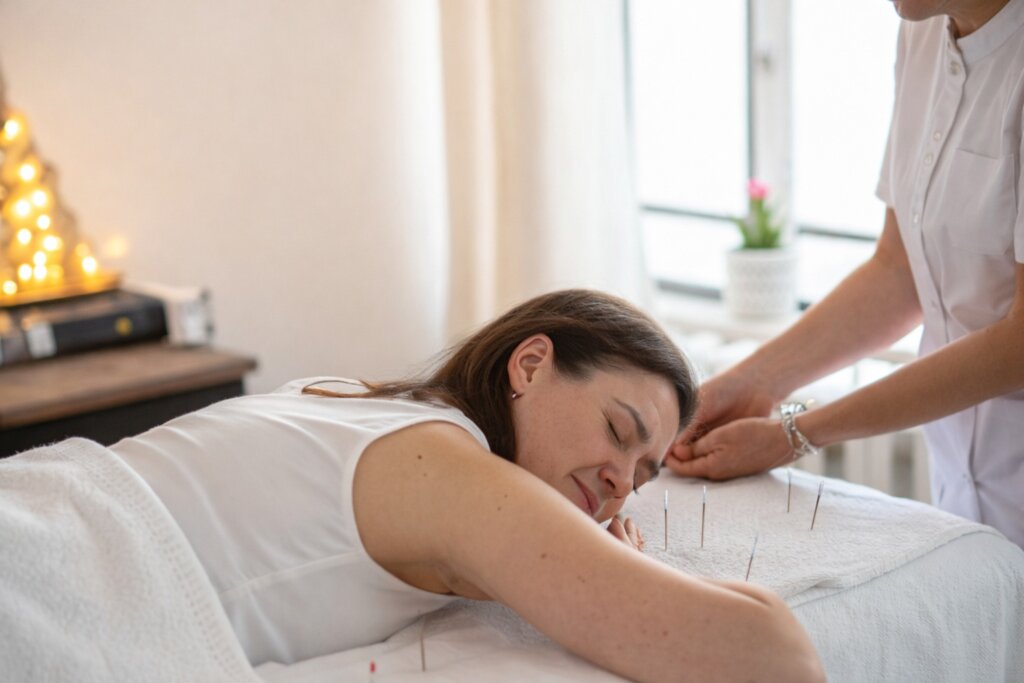
Acupuncture involves inserting thin, sterile needles into specific points on the body. These points are chosen based on Traditional Chinese Medicine principles and your unique health patterns. But what happens once the needle goes in?
Research shows that acupuncture creates a micro-traumatic environment at each needle site. This recruits mast cells, macrophages, and other immune cells to the area, which then release biomolecules like histamine, serotonin, substance P, and beta-endorphins. These substances amplify the body’s response through axon reflexes and neural interactions, triggering anti-inflammatory and regulatory processes throughout the neuro-endocrine-immune network.
In simpler terms, your body recognizes the needle as a signal to start healing. It sends in repair crews and releases chemicals that reduce inflammation, regulate hormones, and calm the nervous system. This is a good thing, but the process itself can feel uncomfortable or even make you feel worse temporarily.
Does acupuncture hurt? For most people, the answer is no. You might feel a brief pinch, tingling, or dull ache at the insertion site, but the sensation is usually mild. The discomfort some people experience after treatment is less about pain and more about the body’s internal adjustments as it responds to the treatment.
Common Reasons You Might Feel Worse After Acupuncture

Not everyone feels worse after acupuncture, but when it happens, it’s usually tied to one of a few predictable patterns. Understanding these can help you feel more grounded and less worried. Here are the most common reasons why some patients experience a temporary dip in how they feel.
1. Your Body Is Releasing Stored Tension or Toxins
Acupuncture can stimulate the release of physical and emotional tension that’s been held in the body for weeks, months, or even years. This release can feel like fatigue, soreness, or even mild flu-like symptoms as your system processes and clears what’s been stuck. It’s similar to how you might feel sore after a deep tissue massage.
2. The Healing Response Is Ramping Up
When acupuncture activates your immune system and nervous system, your body shifts into a state of repair. This can temporarily divert energy from your usual activities, leaving you feeling tired, spaced out, or emotionally sensitive. Your body is working hard behind the scenes, even if you don’t see immediate results.
3. You’re Detoxifying or Rebalancing
Acupuncture points such as ST36 and SP6 are known to modulate the hypothalamic-pituitary-adrenal (HPA) axis and influence neurotransmitters such as GABA and dopamine. When these systems start to recalibrate, you might notice shifts in mood, energy, digestion, or sleep. These changes are often signs that your body is moving toward balance, even if the transition feels rough.
4. The Treatment Was Too Strong for Your Current State
If you’re new to acupuncture, highly sensitive, or dealing with severe depletion or chronic illness, a standard treatment might feel overwhelming. Your nervous system may need a gentler approach, with fewer needles, shorter retention times, or specific point selections that build you up rather than move energy too quickly.
5. You’re Experiencing an Emotional Release
Traditional Chinese Medicine recognizes that emotions and physical health are deeply connected. Acupuncture can bring suppressed feelings to the surface, leading to tears, irritability, or a sense of vulnerability after a session. This is not a sign that something went wrong. It’s often a sign that something is finally shifting.
6. Dehydration or Altitude Effects in Colorado Springs
Living at a high altitude in Colorado Springs means your body is already working harder to stay hydrated and oxygenated. Acupuncture can increase circulation and metabolic activity, which may worsen fatigue or lightheadedness if you’re not drinking enough water before and after your session.
7. You Had a Strong Reaction to Specific Acupuncture Points for Neck Pain or Other Areas
Certain acupuncture points for neck pain, such as those along the gallbladder and bladder meridians, can trigger strong local or systemic responses. If you’ve been dealing with chronic tension or injury, needling these areas may temporarily increase soreness as blood flow and healing activity increase in the tissue.
When Feeling Worse After Acupuncture Is Normal and When to Reach Out
Most post-acupuncture discomfort is mild and resolves on its own within a day or two. But how do you know if what you’re feeling is normal or something that needs attention? Here’s a simple guide to help you decide.
Normal Responses That Usually Resolve on Their Own
- Mild fatigue or drowsiness for 24 to 48 hours
- Soreness or tenderness at needle sites
- Temporary worsening of the original symptom (like pain or stiffness) before improvement
- Emotional sensitivity, tearfulness, or irritability
- Changes in sleep patterns, appetite, or digestion
- Feeling spacey, lightheaded, or unusually relaxed
Signs You Should Contact Your Acupuncturist
- Symptoms that persist beyond 48 to 72 hours
- Severe pain, swelling, or redness at a needle site
- New symptoms that weren’t present before treatment
- Feeling significantly worse with each session rather than gradually improving
- Signs of infection, such as fever or pus at the insertion site
- Intense anxiety, panic, or emotional distress that doesn’t ease
If you’re unsure, it’s always better to ask. A skilled acupuncturist will want to hear about your experience and adjust your treatment plan accordingly. At Acupuncture Colorado Springs, we prioritize open communication and individualized care. Every treatment begins with a thoughtful conversation about your health history, lifestyle, and goals, and we adjust our approach based on how your body responds.
How to Support Your Body After Acupuncture
After acupuncture, your body may need a little time to process the changes your nervous system and circulation just experienced. Simple aftercare habits can make that transition smoother and help you hold the benefits longer. These steps are also useful for reducing the chance of feeling temporarily off as your system adjusts.
- Hydrate well: Drink plenty of water before and after your session, especially in Colorado Springs’ dry, high-altitude climate.
- Rest if you feel tired: If you notice fatigue, give your body permission to slow down so it can integrate the treatment.
- Keep it gentle: Avoid intense exercise, alcohol, or heavy meals right after your appointment.
- Track your response: Pay attention to how you feel and jot down notes to share at your next visit.
- Stay patient: Healing isn’t always linear, and mild, temporary discomfort can be part of a larger shift toward balance.
- Speak up if something feels off: Contact your acupuncturist so they can adjust needle selection, point combinations, or treatment frequency to better fit your needs.
When you treat aftercare as part of the session, you give your body the best chance to respond calmly and supportively. The goal isn’t perfection—it’s to notice patterns and make small adjustments that improve your comfort and results over time. With consistent communication and simple self-support, each visit becomes easier to build on.
Why Working With a Licensed, Board-Certified Acupuncturist Matters

Not all acupuncture experiences are the same. The skill, training, and approach of your practitioner make a significant difference in both safety and outcomes. A licensed acupuncturist has completed rigorous education, passed national board exams, and operates under state regulations that ensure the use of sterile, single-use needles and safe clinical practices.
At Acupuncture Colorado Springs, David W. Armstrong, L.Ac., brings decades of clinical experience and board certification in Traditional Chinese Medicine. Every treatment is tailored to the individual, not based on a generic protocol. We look beyond surface symptoms to address the underlying patterns causing pain, fatigue, stress, and imbalance.
Our clinic is a calm, welcoming space designed to help you relax, reset, and reconnect with your body’s natural ability to heal. We serve the greater Colorado Springs area, including El Paso County communities such as Manitou Springs, Old Colorado City, and Woodland Park. Whether you’re dealing with chronic pain, stress, insomnia, or digestive concerns, we partner with you on a clear, compassionate path toward less pain, better function, and a more balanced life.
Conclusion
Feeling worse after acupuncture can be unsettling, but it’s often a sign that your body is responding and adjusting. Understanding the science behind these reactions helps you move through the process with confidence. Working with a licensed, board-certified acupuncturist ensures you receive safe, personalized care that supports long-term healing and balance in Colorado Springs.
Acupuncture Colorado Springs offers personalized Traditional Chinese Medicine care that addresses healing responses with expertise and compassion. We help you understand what your body is experiencing. Learn more today.
FAQs
Is It Normal to Feel Worse After Acupuncture?
Yes, it can be normal to feel temporarily worse after acupuncture—especially after your first few sessions. Some people notice mild soreness, fatigue, lightheadedness, or a brief flare in symptoms as the body recalibrates and circulation and nervous system activity shift. In our clinic, we tailor treatment intensity to your constitution and goals to help keep these reactions mild and short-lived.
Why Do I Feel Sick or Fatigued After Acupuncture?
Post-treatment fatigue or “flu-like” feelings can happen when your nervous system shifts into a deeper rest-and-repair state, when tension releases, or when your body is processing inflammation and stress patterns. It’s also more common if you’re dehydrated, underfed, sleep-deprived, or already run down. Rest, hydrate, eat a balanced meal, and let your practitioner know so your next treatment can be adjusted.
How Long Do Side Effects Last After Acupuncture?
Most mild side effects—like tiredness, mild soreness, or a temporary symptom flare—resolve within a few hours to 24 hours, and occasionally up to 48 hours. If symptoms are intense, worsening, or lasting beyond two days, it’s a good idea to contact your acupuncturist for guidance and consider medical evaluation if needed.
What Are the Signs Acupuncture Is Working?
Common signs include better sleep, reduced pain intensity or frequency, improved range of motion, calmer mood, better digestion, fewer headaches, and more stable energy. Sometimes progress shows up as shorter flare-ups, faster recovery, or longer “good stretches” between symptoms. We track these changes over time and adjust your plan to support both symptom relief and the underlying root pattern.
When Should I Be Concerned After Acupuncture and Contact a Doctor?
Seek medical care right away for severe or worsening symptoms such as chest pain, trouble breathing, fainting, high fever, severe dizziness, signs of infection (increasing redness, warmth, swelling, pus), uncontrolled bleeding, or severe headache/neurologic symptoms. Also contact a doctor if you suspect an allergic reaction to any topical product or herb. For non-urgent but concerning reactions, contact your acupuncturist promptly so we can assess what happened and coordinate next steps.