Weight loss is one of the most common health goals people pursue, yet finding a sustainable approach that works for your body can feel overwhelming. From restrictive diets to intense workout programs, many methods promise quick results but often fall short in addressing the underlying factors that influence metabolism, appetite, and energy balance. That’s why more people in Colorado Springs and beyond are turning to acupuncture as a complementary tool for weight management.
Acupuncture has been used for thousands of years in Traditional Chinese Medicine to restore balance and support the body’s natural healing processes. While it’s not a magic solution for shedding pounds, research suggests it may offer modest benefits when combined with lifestyle changes. In this article, we’ll explore the pros and cons of acupuncture for weight loss, examine what the evidence says, and help you decide if this approach might fit into your wellness plan.
Key Takeaways
- Acupuncture may provide modest weight-loss benefits when combined with lifestyle interventions such as diet and exercise.
- Current research shows low to moderate certainty of evidence due to methodological limitations in studies.
- Electroacupuncture and laser acupuncture have shown promise for reducing body weight, BMI, and waist circumference.
- Acupuncture is associated with rare, mild, and self-resolving side effects compared to weight loss medications.
- Acupuncture should be considered a complementary rather than primary intervention for obesity management.
- Personalized treatment plans that address root causes may enhance outcomes for individuals seeking natural weight support.
Understanding How Acupuncture May Support Weight Loss
Acupuncture involves the insertion of thin, sterile needles into specific points on the body to influence the flow of energy, or qi, according to Traditional Chinese Medicine principles. When it comes to weight management, practitioners often focus on points that may help regulate appetite, improve digestion, reduce stress, and support metabolic function. The goal is not just to burn calories but to address imbalances that might be contributing to weight gain or difficulty losing weight.
From a modern scientific perspective, acupuncture may influence the nervous system, hormone regulation, and inflammation pathways. Some studies suggest it can affect leptin and ghrelin, hormones that control hunger and satiety. Others point to potential improvements in insulin sensitivity and glucose metabolism, which are important factors in managing body weight.
At our clinic, we view weight management as a whole-person issue. Stress, poor sleep, hormonal imbalances, and digestive struggles all play a role in how your body stores and uses energy. Acupuncture can be a supportive tool within a broader plan that includes mindful eating, movement, and stress reduction.
The Pros of Acupuncture for Weight Loss
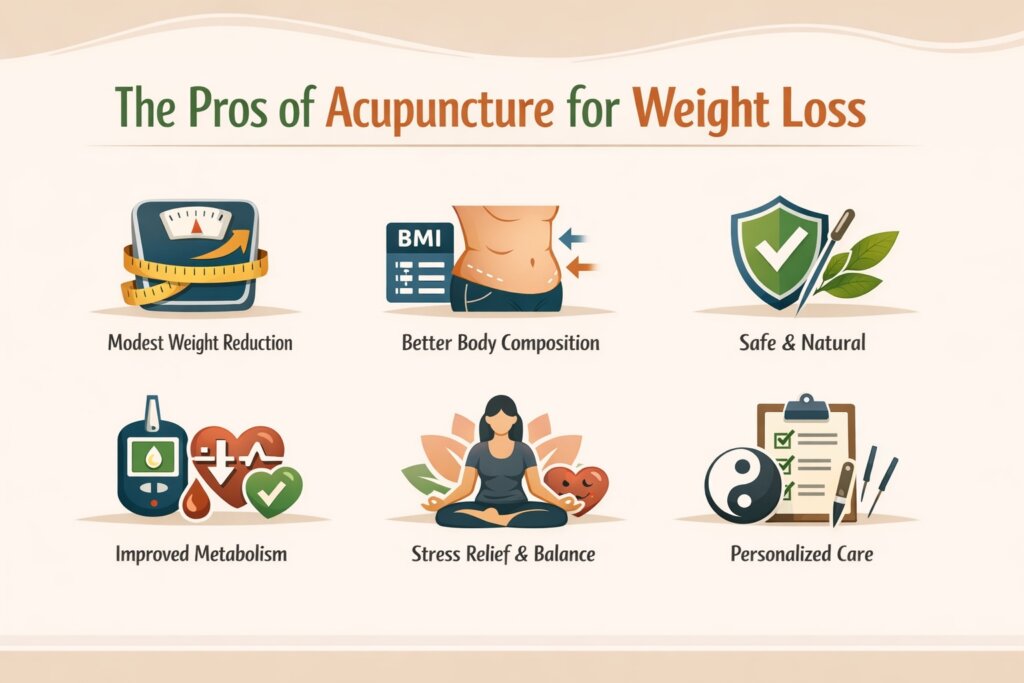
Research and clinical experience point to several potential benefits of using acupuncture as part of a weight management strategy. While the evidence is not definitive, there are reasons why people continue to explore this option. Let’s look at some of the most commonly cited advantages.
1. Modest Weight Reduction Compared to Lifestyle Interventions Alone
A systematic review published in 2025 found that acupuncture resulted in an additional weight loss of approximately 1.72 kg when compared to lifestyle interventions alone. While this may seem small, even modest weight loss can have meaningful health benefits, especially when sustained over time. This suggests acupuncture may enhance the effects of diet and exercise rather than replace them.
2. Improvement in Body Composition Metrics
Beyond just weight on the scale, acupuncture has been shown to reduce body mass index (BMI) and waist circumference. Electroacupuncture was particularly effective for body weight and BMI, while laser acupuncture showed the most promise for reducing waist circumference. These changes can indicate a healthier distribution of body fat and improved metabolic health.
3. Favorable Safety Profile
One of the strongest arguments for acupuncture is its safety. Compared to weight loss medications, which can carry significant side effects, acupuncture is associated with rare, mild, and self-resolving adverse events. This makes it an appealing option for people who want to avoid pharmaceutical interventions or who have experienced negative reactions to weight loss drugs.
4. Positive Effects on Glucose and Lipid Metabolism
Some research indicates that acupuncture may improve markers of metabolic health, including blood sugar regulation and cholesterol levels. This is important because weight loss is not just about appearance but also about reducing the risk of chronic conditions such as type 2 diabetes and cardiovascular disease. Supporting metabolic function can make it easier to lose weight and keep it off.
5. Stress Reduction and Emotional Balance
Stress is a major contributor to weight gain, especially around the midsection. High cortisol levels can increase appetite and cravings for sugar and fat. Acupuncture is well known for its calming effects on the nervous system, which may help reduce emotional eating and improve sleep quality. Better sleep and lower stress can create a more favorable environment for weight loss.
6. Personalized and Root-Cause Focused
At Acupuncture Colorado Springs, we don’t use a one-size-fits-all approach. Every treatment begins with a thorough assessment of your health history, lifestyle, and goals. We look at factors like digestion, energy levels, sleep patterns, and stress to design a plan that addresses the underlying patterns contributing to weight challenges. This individualized care can make a real difference in long-term outcomes.
The Cons of Acupuncture for Weight Loss
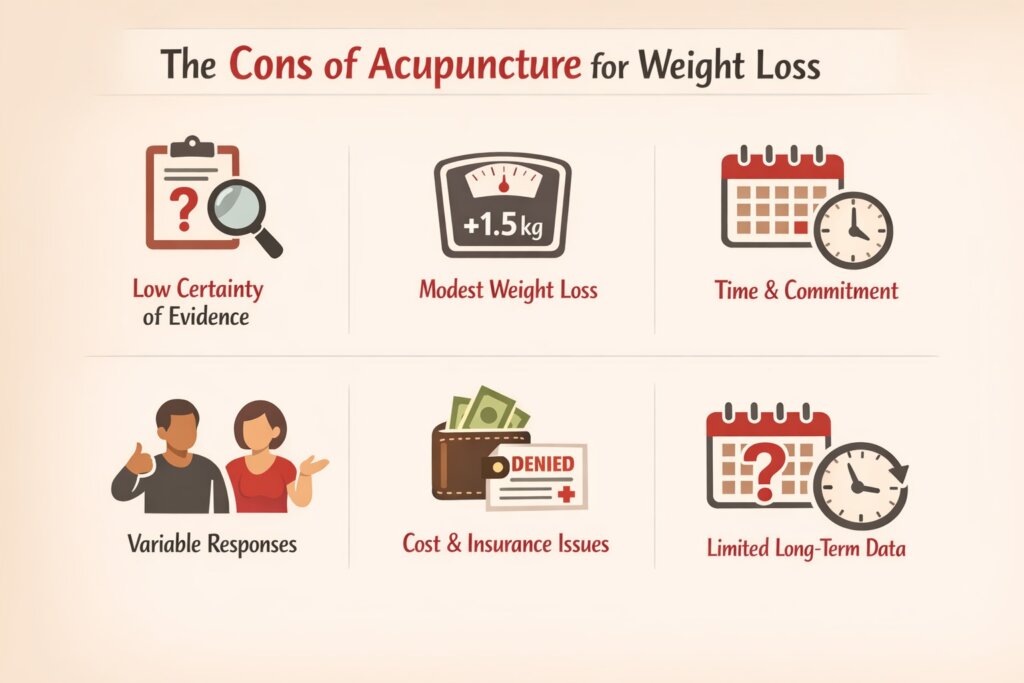
While acupuncture offers several potential benefits, it’s important to be realistic about its limitations. The evidence is not strong enough to recommend acupuncture as a standalone treatment for obesity, and there are some drawbacks to consider before starting a treatment plan.
1. Low to Moderate Certainty of Evidence
Most systematic reviews on acupuncture for weight loss conclude that the certainty of evidence is low to moderate due to risk of bias, imprecision, and methodological limitations in the studies. This means we can’t say with high confidence that acupuncture will work for everyone or that the effects are large enough to be clinically significant on their own.
2. Modest Weight Loss Results
The average weight loss attributed to acupuncture in research studies is around 1.5 to 2 kg more than control groups. For someone looking to lose a significant amount of weight, this may feel underwhelming. Acupuncture is best viewed as a complementary intervention rather than a primary solution for obesity.
3. Requires Consistency and Time Commitment
Acupuncture is not a quick fix. Most protocols involve weekly or bi-weekly sessions over several weeks or months. This requires a time commitment and consistency that may be challenging for people with busy schedules. Results are typically gradual, which can be discouraging for those seeking rapid weight loss.
4. Variable Response Among Individuals
Not everyone responds to acupuncture in the same way. Some people may experience noticeable improvements in appetite, energy, and weight, while others may see little to no change. This variability makes it difficult to predict outcomes and underscores the need for personalized treatment plans.
5. Cost and Insurance Coverage
Acupuncture sessions can add up in cost, especially if insurance does not cover weight-loss treatments. While many people find the investment worthwhile for overall wellness, it’s worth considering when planning a long-term approach to weight management.
6. Limited Research on Long-Term Maintenance
Most studies on acupuncture for weight loss focus on short-term outcomes. There is limited data on whether the benefits are sustained after treatment ends or on how acupuncture compares with other interventions over the long term. This research gap makes it harder to assess its role in lifelong weight management.
What the Research Says: Acupuncture for Weight Loss Reviews
A 2025 systematic review analyzed 20 randomized controlled trials involving 2,261 participants and found that acupuncture provided modest benefits for weight loss compared to lifestyle interventions or placebo treatments. The review noted that acupuncture was associated with an additional 1.72 kg of weight loss when added to diet and exercise programs. Compared to sham or placebo treatments, acupuncture achieved a greater weight reduction of 1.56 kg.
| Study Type | Weight Loss Result | Safety Profile | Certainty of Evidence |
|---|---|---|---|
| Acupuncture vs. Lifestyle Interventions | Additional 1.72 kg loss | Rare, mild, self-resolving side effects | Low to moderate |
| Acupuncture vs. Placebo/Sham | Additional 1.56 kg loss | No increased adverse events | Low to moderate |
| Electroacupuncture | Most effective for body weight and BMI | Safe and well-tolerated | Moderate |
| Laser Acupuncture | Most effective for waist circumference | Non-invasive, minimal risk | Moderate |
The review also found that acupuncture did not increase the incidence of side effects or serious adverse events. Only one trial systematically reported adverse events, documenting mild effects that resolved on their own. The authors concluded that acupuncture should be considered a complementary rather than primary intervention for obesity management.
Another study published in Frontiers in Medicine in 2024 compared different types of acupuncture and found that electroacupuncture was most effective for reducing body weight and BMI, while laser acupuncture was most effective for waist circumference. These findings suggest that the type of acupuncture used may influence outcomes, and personalized treatment plans may be important for optimizing results.
What to Expect From Acupuncture Treatment for Weight Loss
If you’re considering acupuncture for weight support, it helps to know what the process looks like. At our clinic, your first visit begins with a detailed conversation about your health history, lifestyle, and goals. We ask about your diet, exercise habits, stress levels, sleep quality, and any other symptoms you’re experiencing. This information helps us understand the underlying patterns that may be contributing to weight challenges.
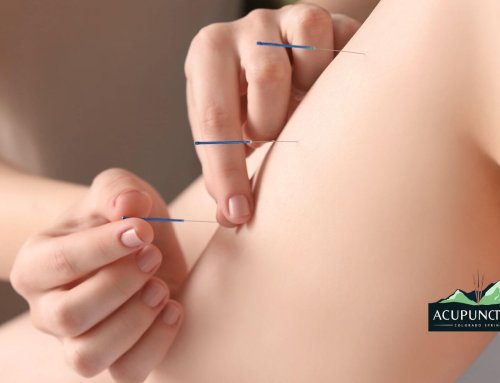
During treatment, we use sterile, single-use needles to stimulate specific points on your body. The points chosen will depend on your individual needs and may include areas on the abdomen, legs, arms, and ears. Most people find the experience relaxing, and many even fall asleep during sessions. Treatments typically last 30 to 45 minutes.
We usually recommend starting with weekly sessions for the first several weeks, then spacing them out as you begin to see results. The exact number of sessions varies depending on your goals and how your body responds. Some people notice changes in appetite, energy, or digestion within a few weeks, while others may take longer to see measurable weight loss.
Between visits, we may suggest lifestyle modifications, dietary adjustments, or the use of ear seeds to support your progress. We believe in empowering you with the knowledge and tools to take an active role in your own health. Our goal is not just to help you lose weight but to support lasting changes that improve your overall well-being.
Is Acupuncture Right for Your Weight Loss Journey?
Acupuncture is not a miracle cure for obesity, and it won’t replace the need for healthy eating and regular exercise. What it can do is support your body’s natural ability to regulate metabolism, reduce stress, improve sleep, and address imbalances that may be making it harder to lose weight. For people who are already making lifestyle changes but feel stuck or frustrated, acupuncture may provide the extra support needed to move forward.
It’s also a good option for those who want to avoid or minimize the use of weight loss medications, which can have significant side effects. Acupuncture offers a safe, natural alternative that can be tailored to your individual needs. The key is to approach it with realistic expectations and a willingness to commit to a comprehensive plan.
At Acupuncture Colorado Springs, we provide personalized, root-cause-focused care that goes beyond surface symptoms. We understand that weight management is complex and influenced by many factors, from stress and sleep to hormones and digestion. Our treatments are designed to address these underlying issues and support your long-term health, not just a number on the scale.
Conclusion
Acupuncture offers modest, evidence-supported benefits for weight loss when combined with lifestyle interventions, along with a favorable safety profile. While it’s not a standalone solution, it can be a valuable part of a holistic approach to managing weight and improving metabolic health. If you’re ready to explore how acupuncture might support your wellness goals, we invite you to schedule a consultation at Acupuncture Colorado Springs and discover a personalized path to balance and vitality.
Acupuncture Colorado Springs offers personalized Chinese medicine to support your weight loss goals. We address root causes, not just symptoms, with evidence-informed care. Get started with a consultation today.
FAQs
Does Acupuncture Really Work for Weight Loss?
Acupuncture can support weight loss for some people by helping regulate stress, sleep, cravings, digestion, and inflammation—factors that often drive weight gain. It’s not a standalone “fat-loss” treatment, but in our clinical experience at Acupuncture Colorado Springs, it can be a helpful part of a personalized plan when paired with sustainable nutrition, movement, and lifestyle changes.
How Much Weight Can You Lose With Acupuncture?
Results vary widely based on your metabolism, habits, underlying health patterns, and consistency with care. Some patients notice modest, steady changes over weeks to months—often alongside improvements in energy, appetite control, and stress. We set realistic goals and focus on root-cause factors that may be making weight loss harder.
What Are the Side Effects or Risks of Acupuncture for Weight Loss?
When performed by a licensed practitioner using sterile, single-use needles, acupuncture is generally low-risk. Possible side effects include mild soreness, small bruising, temporary fatigue, or lightheadedness. We follow Colorado safety and hygiene standards and tailor treatments to your health history to minimize risk.
How Many Acupuncture Sessions Are Needed for Weight Loss?
Many people start with 1–2 sessions per week for several weeks, then taper as progress stabilizes. The right number depends on your goals and what’s contributing to weight gain (stress, sleep disruption, digestive issues, hormonal patterns, etc.). We create an individualized treatment plan based on your assessment and response over time.
What Are the Disadvantages of Acupuncture for Weight Loss?
Acupuncture requires consistency and works best as a supportive therapy rather than a quick fix, so results can be gradual. Cost and time commitment can be drawbacks, and outcomes vary from person to person. If the underlying drivers (diet, stress, sleep, medications, or medical conditions) aren’t addressed, progress may be limited—so we focus on a comprehensive, root-cause approach.