
Foot neuropathy creates burning, tingling, and numbness that can disrupt your daily life and sleep. Traditional Chinese Medicine offers at-home techniques that support nerve health and may reduce these uncomfortable symptoms naturally. These time-tested approaches focus on improving circulation, reducing inflammation, and restoring balance to your body’s energy pathways.
This article provides specific acupressure techniques, herbal remedies, and lifestyle modifications you can implement immediately. You’ll discover how to combine these methods for maximum benefit and when professional treatment becomes necessary for lasting relief.
Key Takeaways
- Acupressure on specific foot points can help reduce neuropathy pain and improve circulation naturally.
- Herbal remedies like alpha-lipoic acid and benfotiamine may support nerve health when used consistently.
- Daily foot soaks with Epsom salt and essential oils provide immediate comfort for burning sensations.
- Gentle movement exercises improve blood flow to affected nerves without causing additional strain.
- professional acupuncture treatment addresses root causes more effectively than at-home methods alone.
Immediate Acupressure Techniques to Treat neuropathy in feet
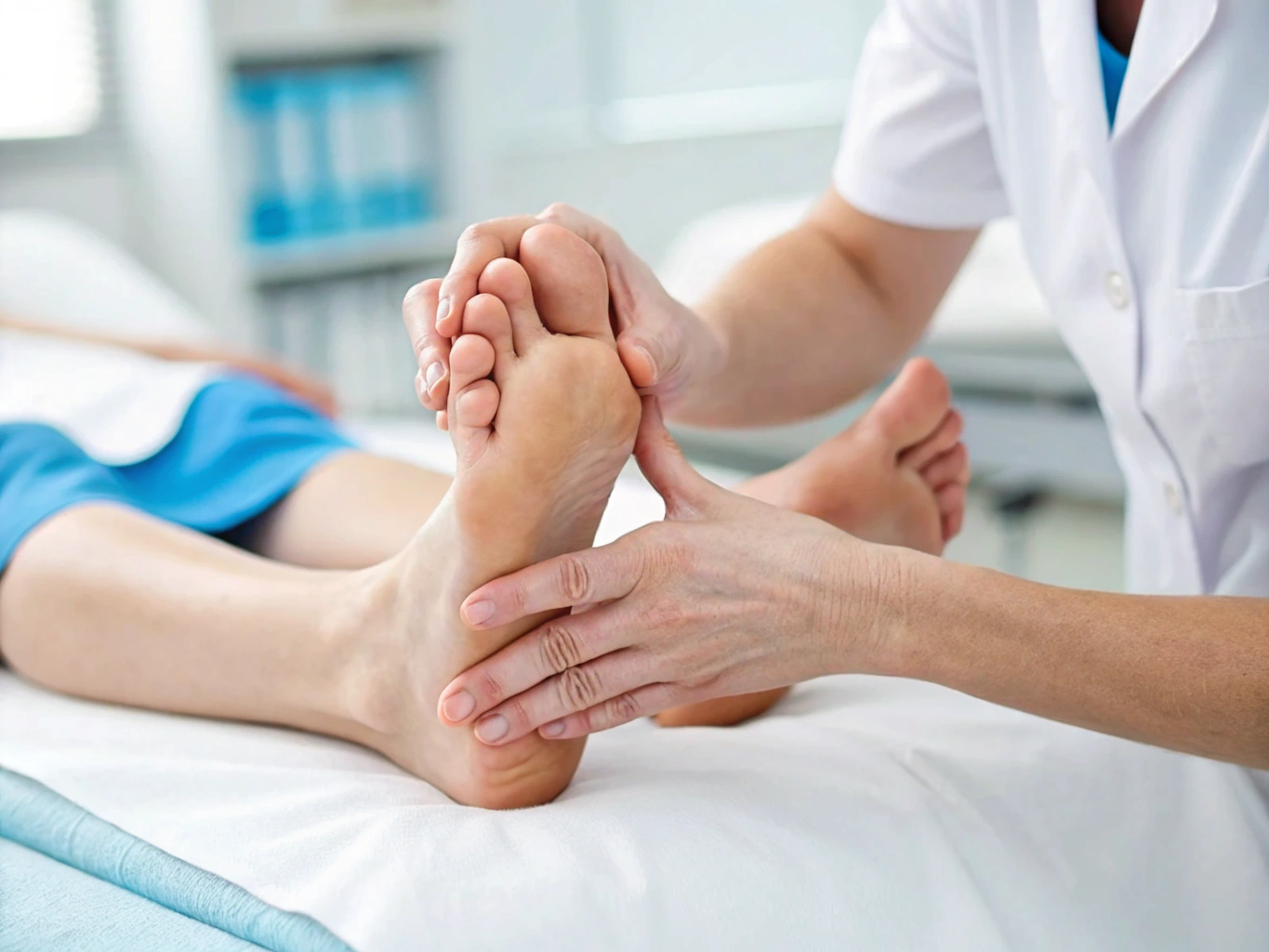
Acupressure activates specific points on your feet to stimulate nerve function and improve blood circulation. These techniques draw from thousands of years of Traditional Chinese Medicine practice. You can perform these methods anywhere without special equipment.
1. Kidney 1 Point (Yongquan)
Locate this point in the depression at the ball of your foot, about one-third down from your toes. Apply firm pressure with your thumb for 30-60 seconds while breathing deeply.
2. Liver 3 Point (Taichong)
Find this point in the webbing between your big toe and second toe, about two finger-widths back toward your ankle. Press firmly for 1 minute on each foot to promote circulation.
3. Spleen 3 Point (Taibai)
This point sits on the inner edge of your foot, just behind the ball of your big toe. Gentle pressure here for 30 seconds helps regulate nerve function and reduce inflammation.
4. Stomach 44 Point (Neiting)
Located between your second and third toes, this point responds well to moderate pressure applied for 45 seconds. This technique often provides quick relief from burning sensations.
5. Gallbladder 41 Point (Zulinqi)
Find this point on the top of your foot, in the depression between your fourth and fifth toes. Apply pressure for 30 seconds to help balance nerve signals.
The key acupressure points for foot neuropathy lie along energy pathways that connect to your nervous system. Consistent daily practice often brings noticeable improvement within 2-3 weeks.
Herbal Remedies for Neuropathy in Feet Relief
Specific herbs and supplements support nerve health by reducing inflammation and protecting nerve cells from damage. These natural compounds work gradually but often provide lasting benefits when used consistently. Many people find herbal approaches gentler than pharmaceutical options.
| Herb/Supplement | Daily Dosage | Primary Benefit | Time to Effect |
|---|---|---|---|
| Alpha-Lipoic Acid | 300-600mg | Antioxidant protection | 4-8 weeks |
| Benfotiamine | 150-300mg | Nerve repair | 6-12 weeks |
| Evening Primrose Oil | 1000-2000mg | Membrane health | 8-16 weeks |
| Turmeric Extract | 1000mg | Anti-inflammatory | 2-6 weeks |
1. Alpha-Lipoic Acid
This powerful antioxidant protects nerve cells and may improve nerve conduction. Take 300-600mg daily with meals to reduce oxidative stress that contributes to neuropathy symptoms.
2. Benfotiamine (Vitamin B1)
This fat-soluble form of thiamine crosses cell membranes more easily than regular B1. Studies suggest 150-300mg daily may help repair damaged nerve pathways and reduce pain.
3. Evening Primrose Oil
Rich in gamma-linolenic acid, this oil supports nerve membrane health. Take 500-1000mg twice daily to potentially improve nerve function and reduce inflammation.
4. Turmeric with Black Pepper
Curcumin’s anti-inflammatory properties may help reduce nerve pain when combined with piperine for better absorption. Use 500mg of standardized extract twice daily.
5. Capsaicin Cream
Applied topically, this compound from chili peppers can reduce pain signals over time. Start with 0.025% concentration and apply 3-4 times daily to affected areas.
Quality matters significantly with herbal remedies, so source your supplements from reputable manufacturers. Start with lower doses to assess your body’s response before increasing amounts.
Therapeutic Foot Soaks and Topical Applications
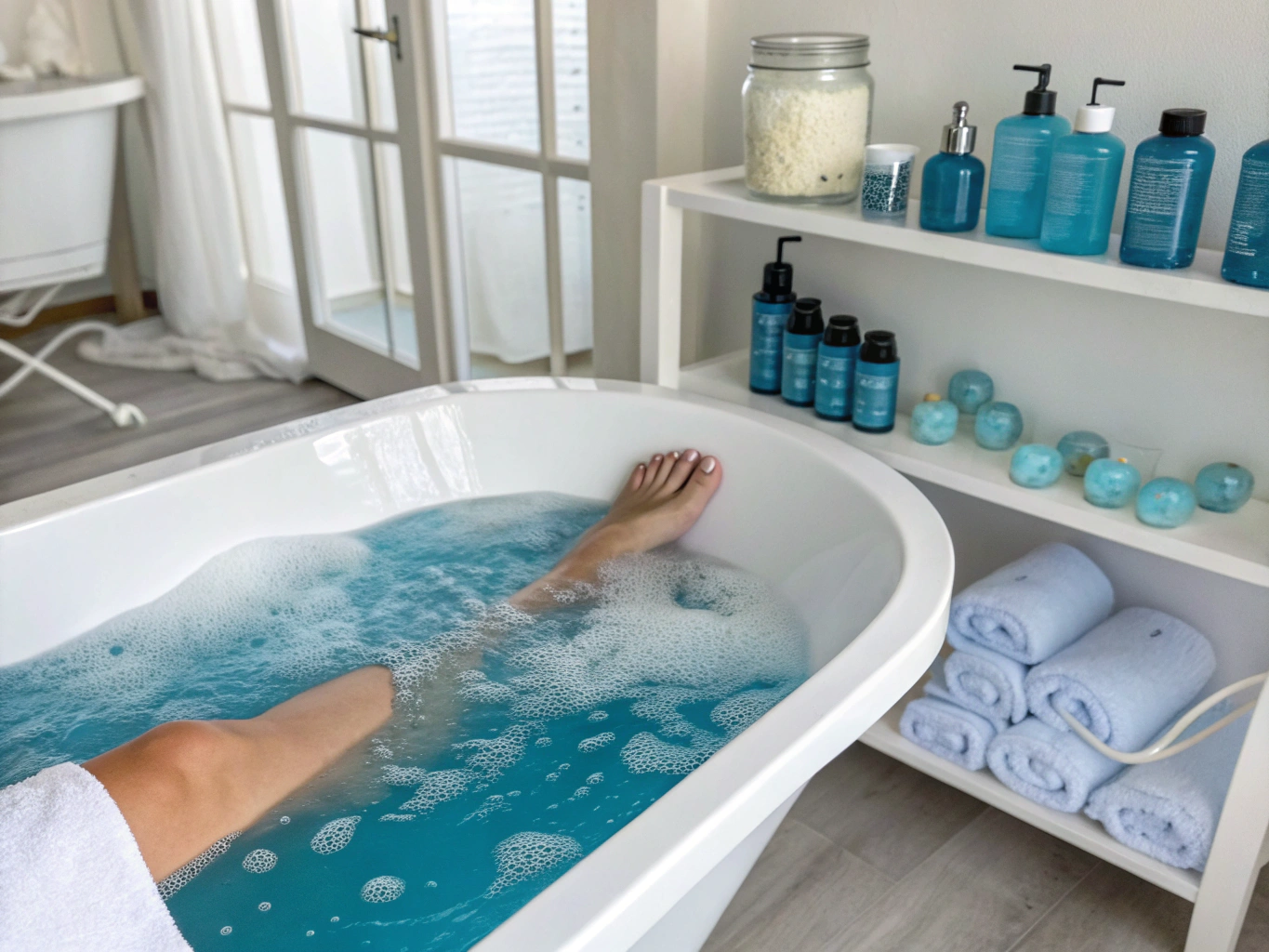
Warm foot soaks provide immediate relief from burning and tingling sensations while improving local circulation. The combination of heat, minerals, and therapeutic compounds creates a healing environment for damaged nerves. These treatments work best when performed consistently as part of your evening routine.
Water temperature should feel comfortably warm but not hot enough to cause burns, especially important since neuropathy can reduce temperature sensation. Limit soaks to 15-20 minutes to prevent skin irritation.
1. Epsom Salt and Lavender Soak
Dissolve 1/2 cup Epsom salt in warm water with 5-10 drops of lavender essential oil. The magnesium in Epsom salt reduces inflammation while lavender promotes relaxation and pain relief.
2. Apple Cider Vinegar Treatment
Add 1/4 cup raw apple cider vinegar to your foot soak to help balance pH levels and reduce bacterial growth. This combination may also improve circulation and reduce swelling that contributes to nerve compression.
3. Ginger and Cayenne Warming Soak
Steep 2 tablespoons fresh ginger and a pinch of cayenne pepper in hot water, then add to your foot bath. These warming spices increase blood flow and may help restore sensation to numb areas.
4. Contrast Therapy
Alternate between warm and cool water treatments to stimulate circulation. Spend 3 minutes in warm water followed by 30 seconds in cool water, repeating 3-4 cycles.
5. Essential Oil Massage
After soaking, massage your feet with a blend of carrier oil and therapeutic essential oils like peppermint, eucalyptus, or rosemary. This combination provides both immediate cooling relief and long-term circulation benefits.
Acupuncture Colorado Springs offers Chinese herbal medicine guidance that can complement these at-home treatments. Our licensed practitioner can guide you toward the most effective combinations for your specific symptoms and constitution.
Gentle Movement and Exercise for Peripheral Neuropathy
Regular movement keeps blood flowing to your feet and prevents the stiffness that worsens neuropathy symptoms. Low-impact exercises protect sensitive nerves while strengthening the muscles that support proper foot function. The key lies in finding activities that challenge your system without causing additional inflammation.
1. Ankle Circles and Flexion
Sit comfortably and slowly rotate each ankle 10 times in each direction. Follow with pointing and flexing your toes to maintain joint mobility and encourage circulation.
2. Toe Spreading and Gripping
Practice spreading your toes apart and then gripping them together to maintain nerve connections. Try picking up small objects like marbles with your toes to challenge coordination.
3. Calf Raises and Heel Walks
Perform gentle calf raises to pump blood back toward your heart. Walking on your heels for short distances activates different muscle groups and nerve pathways.
4. Balance Training
Stand on one foot for 30 seconds while holding onto a chair for support. This exercise challenges your proprioception and helps maintain the nerve connections responsible for balance.
5. Pool Exercises
Water provides natural resistance while supporting your body weight. Walking in chest-deep water reduces impact while providing gentle pressure that may improve sensation.
Start slowly and pay attention to how your feet respond to different movements. Some exercises may feel uncomfortable initially but improve with consistent practice.
Lifestyle Modifications to Fix a Pinched Nerve
Daily habits significantly impact nerve health and can either worsen or improve neuropathy symptoms over time. Simple changes in diet, sleep, and stress management create an environment where nerves can heal more effectively. These modifications work synergistically with other treatments to provide comprehensive relief.
1. Blood Sugar Management
Keep blood glucose levels stable through balanced meals and regular eating schedules. High blood sugar damages nerve cells, so maintaining levels between 80-120 mg/dL protects against further deterioration.
2. Anti-Inflammatory Diet
Focus on foods rich in omega-3 fatty acids, antioxidants, and B vitamins. Reduce processed foods, sugar, and alcohol that promote inflammation and interfere with nerve healing.
3. Proper Sleep Position
Elevate your feet slightly during sleep to improve circulation and reduce morning stiffness. Use loose bedding that doesn’t compress your feet or restrict blood flow.
4. Stress Reduction Techniques
Chronic stress increases inflammation and worsens pain perception. Practice deep breathing, meditation, or gentle yoga to activate your body’s relaxation response.
5. Foot Care and Protection
Inspect your feet daily for cuts or irritation that you might not feel due to reduced sensation. Wear properly fitted shoes with adequate cushioning to prevent pressure points.
Consistency matters more than perfection with lifestyle changes. Small improvements maintained over months often produce better results than dramatic changes that prove unsustainable.
What Causes Swelling in Feet and How to Address It
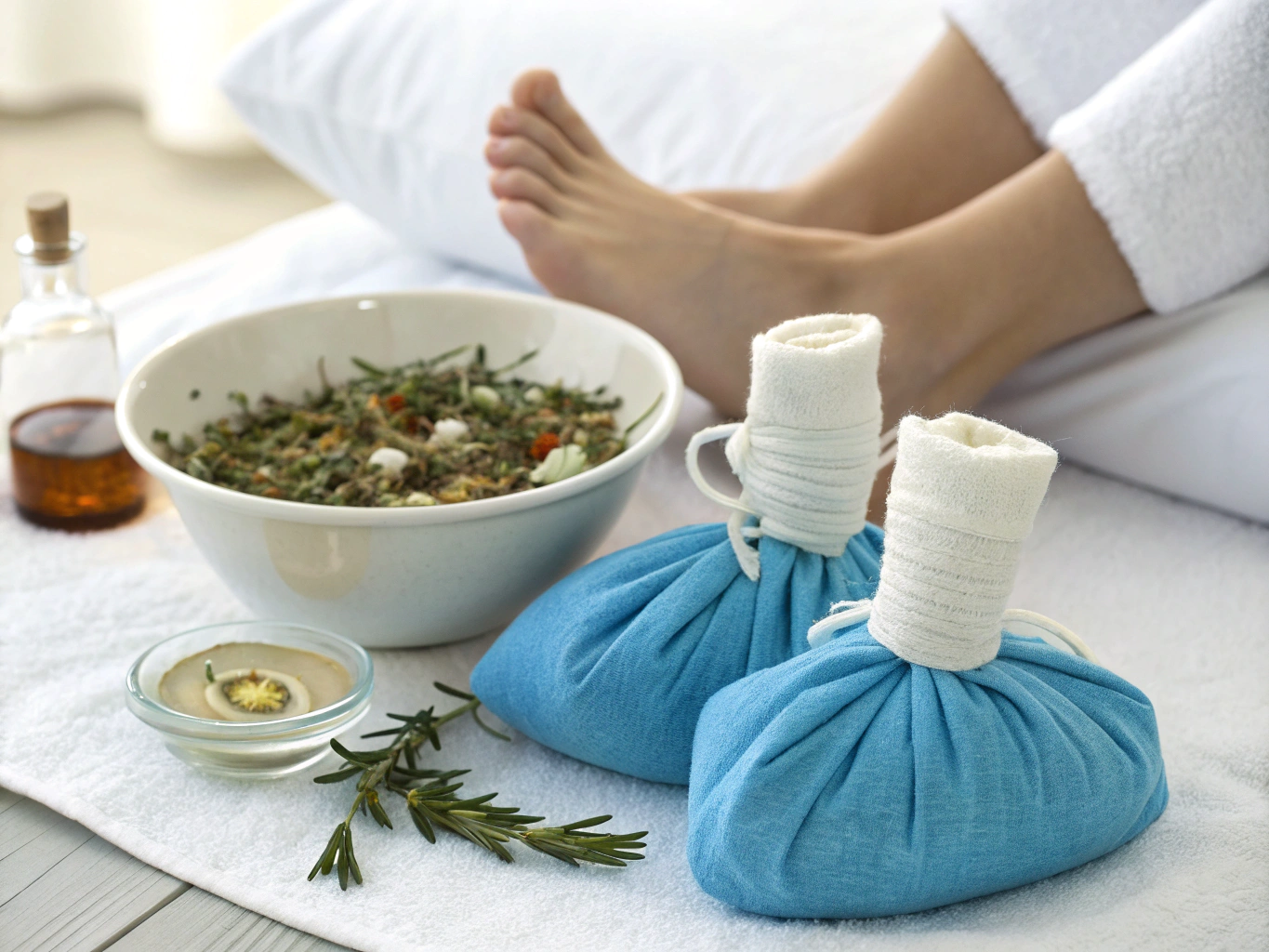
Swelling often accompanies neuropathy and can worsen symptoms by putting additional pressure on already compromised nerves. Understanding the underlying causes helps you choose the most effective interventions. Poor circulation, inflammation, and fluid retention all contribute to this uncomfortable condition.
Addressing swelling requires a multi-faceted approach that combines elevation, compression, and circulation-enhancing techniques. The goal is reducing pressure on nerve pathways while promoting healthy fluid movement.
1. Elevation and Positioning
Raise your feet above heart level for 15-20 minutes several times daily. This simple technique uses gravity to reduce fluid accumulation and improve venous return.
2. Compression Therapy
Graduated compression socks apply gentle pressure that helps move fluid out of your feet and ankles. Choose moderate compression (15-20 mmHg) unless your doctor recommends a different level.
3. Lymphatic Drainage Massage
Gentle upward strokes from your toes toward your heart help move accumulated fluid through your lymphatic system. Use light pressure and perform these movements for 5-10 minutes daily.
4. Dietary Sodium Reduction
Excess sodium causes fluid retention that worsens swelling. Limit processed foods and restaurant meals while increasing potassium-rich foods like bananas and leafy greens.
5. Hydration Balance
Drinking adequate water actually helps reduce swelling by supporting kidney function and preventing fluid retention. Aim for 8-10 glasses daily unless restricted by your healthcare provider.
Our clinic combines acupuncture with cupping therapy to address both nerve function and circulation issues that contribute to foot swelling. This integrated approach often provides faster relief than addressing symptoms individually.
When to Seek Professional Treatment
While at-home treatments provide valuable relief, some situations require professional intervention to prevent permanent nerve damage. Recognizing these warning signs helps you make informed decisions about your care. Professional treatment can address root causes that home remedies cannot reach.
Traditional Chinese Medicine offers sophisticated diagnostic tools that identify underlying patterns contributing to your neuropathy. This comprehensive approach often succeeds where isolated treatments fail.
1. Progressive Symptom Worsening
If your symptoms continue deteriorating despite consistent home treatment, professional evaluation becomes essential. Early intervention prevents irreversible nerve damage and improves long-term outcomes.
2. Balance and Safety Concerns
Frequent falls or significant balance problems require immediate attention. These symptoms indicate advanced nerve involvement that needs targeted treatment to prevent injury.
3. Complete Sensation Loss
Areas of complete numbness increase your risk of unnoticed injuries and infections. Professional treatment can often restore some sensation when implemented promptly.
4. Severe Sleep Disruption
Pain that prevents restorative sleep creates a cycle of inflammation and delayed healing. Comprehensive treatment addresses both pain management and sleep quality.
5. Underlying Condition Management
Diabetes, autoimmune disorders, and vitamin deficiencies require coordinated care between multiple healthcare providers. Professional guidance ensures your treatments work together effectively.
Acupuncture Colorado Springs provides comprehensive evaluations that identify the root patterns causing your neuropathy symptoms. Our personalized treatment plans combine acupuncture, herbal medicine, and lifestyle guidance to address your specific needs. We work with patients throughout Colorado Springs, Manitou Springs, and Woodland Park to develop sustainable healing strategies that go beyond symptom management.
Conclusion
Effective at-home neuropathy treatment combines acupressure techniques, herbal remedies, and lifestyle modifications for comprehensive relief. These Traditional Chinese Medicine approaches support your body’s natural healing while addressing root causes of nerve dysfunction. professional acupuncture treatment amplifies these benefits through personalized care that targets your specific patterns of imbalance.
Acupuncture Colorado Springs offers personalized Traditional Chinese Medicine to address neuropathy’s root causes naturally. Our board-certified approach combines acupuncture with herbal guidance for lasting relief. Learn more about our individualized treatment plans.
FAQs
What Are the Best Treatments for Neuropathy in Feet?
The best treatments depend on the cause, but often include managing blood sugar (for diabetes), correcting vitamin deficiencies, addressing thyroid or autoimmune issues, reducing alcohol use, and protecting the feet with supportive footwear. Symptom relief may include physical therapy, nerve-pain medications, and topical options. Many people also benefit from integrative care—such as acupuncture and individualized lifestyle support—to reduce pain, improve circulation, and support nerve function.
Can Neuropathy in Feet Be Reversed?
Sometimes. If neuropathy is caught early and the underlying cause is treated (for example, improved blood sugar control, stopping a triggering medication, or correcting a B12 deficiency), symptoms may improve and progression can slow or stabilize. When nerve damage is advanced, full reversal is less likely, but a focused plan—medical care plus supportive therapies like acupuncture, movement, and nutrition—can often reduce pain and improve function.
What Medications Are Used to Treat Foot Neuropathy?
Common options include gabapentin or pregabalin, duloxetine or certain tricyclic antidepressants (such as amitriptyline), and topical treatments like lidocaine or capsaicin. In select cases, other medications may be used based on the cause. A clinician can help weigh benefits and side effects, and many patients pair medication with non-drug approaches (including acupuncture) to improve comfort and sleep.
Are There Home Remedies for Neuropathy in Feet?
Helpful at-home options include gentle daily walking or stretching, warm (not hot) foot soaks, moisturizing and careful foot care, wearing cushioned supportive shoes, avoiding prolonged pressure on the feet, and limiting alcohol. If appropriate, consider checking with your clinician about B-vitamin status and omega-3 intake. For many people, adding professional care like acupuncture and guided herbal/lifestyle support can enhance results beyond home care alone.
How Can I Manage Pain From Neuropathy in My Feet?
Start with protecting the feet (supportive footwear, avoiding extremes of heat/cold), pacing activity, and using topical options like lidocaine or capsaicin as directed. Gentle movement, stress reduction, and consistent sleep routines can also reduce pain sensitivity. If pain is persistent or worsening, a personalized plan—often combining medical evaluation with therapies such as acupuncture and cupping—can help reduce pain, improve circulation, and support long-term nerve health.