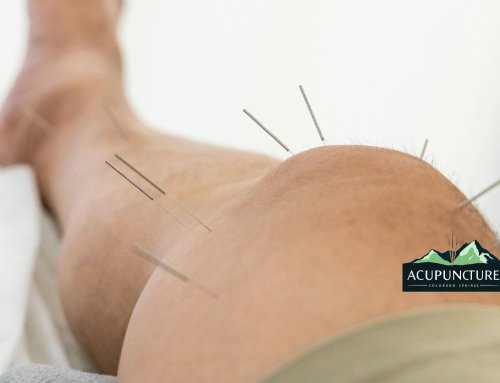
Whiplash is one of those injuries that catches people off guard. You feel fine right after the accident, and then two days later, you can barely turn your head. The stiffness, the aching, the tension that radiates up into your skull — it settles in fast and lingers longer than most people expect. If you have been searching for something beyond pain medications or waiting it out, neck acupuncture may be worth a closer look.
This article breaks down how neck acupuncture works for whiplash recovery, what the research actually says, which acupuncture points are commonly used, and how a personalized treatment plan at Acupuncture Colorado Springs may support your healing process. You will also find a comparison of treatment approaches and answers to the questions most people have before their first visit.
Key Takeaways
- Neck acupuncture may reduce pain intensity and improve range of motion after a whiplash injury.
- Systematic reviews show moderate evidence that acupuncture outperforms sham treatment for cervical pain relief.
- Acupuncture works best as a complementary therapy alongside other first-line treatments, not as a standalone cure.
- Specific acupressure points like GB20 are commonly used to release muscle tension and improve local circulation.
- Acupuncture Colorado Springs offers individualized treatment plans designed around your specific injury pattern and recovery goals.
- Mild side effects are rare, and no serious adverse events have been reported in major clinical reviews.
Does Neck Acupuncture Help With Whiplash Recovery?
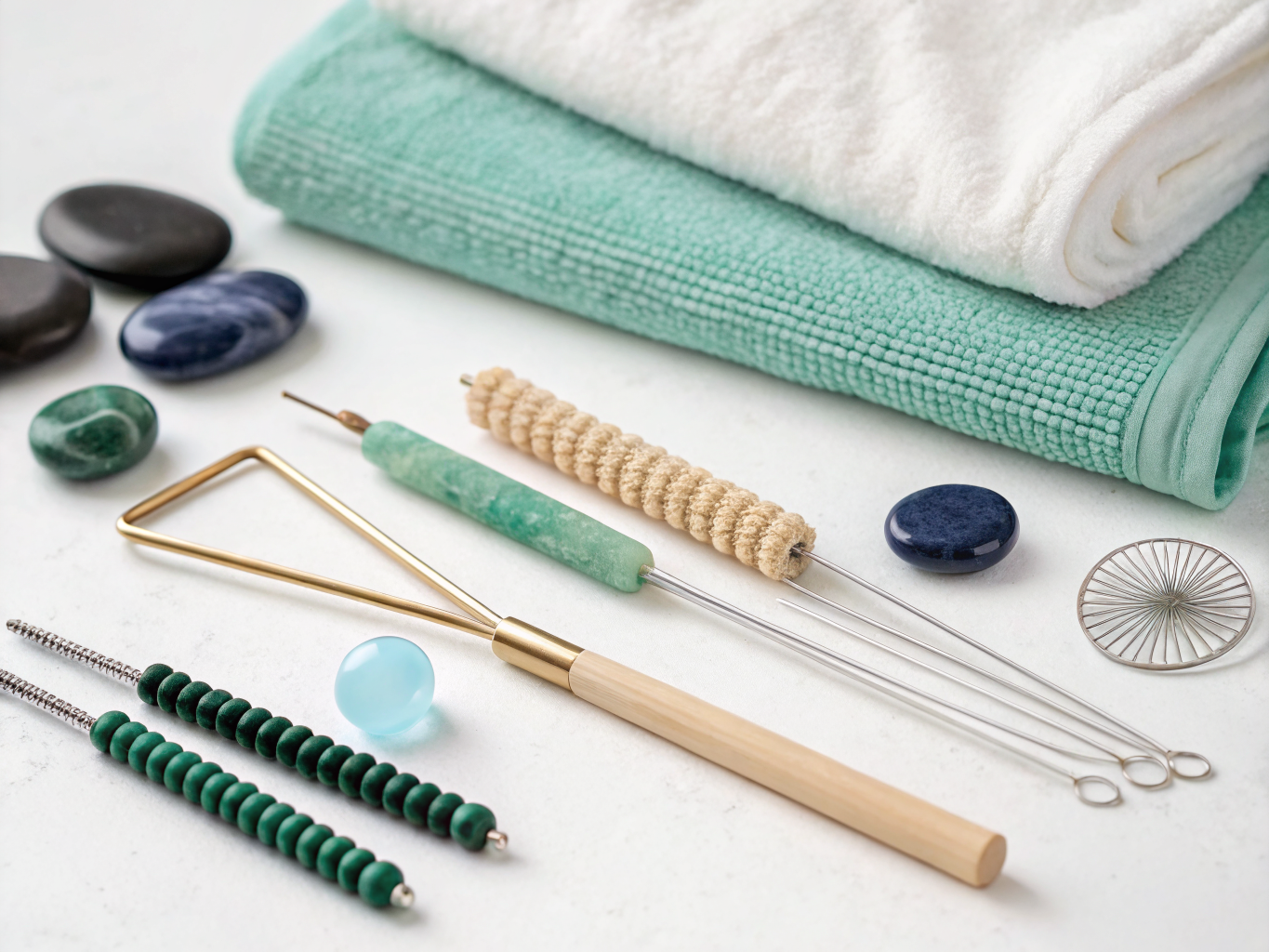
The short answer is yes — neck acupuncture can support whiplash recovery, though it works best when it is part of a broader care plan. Systematic reviews and meta-analyses have found moderate evidence that acupuncture using fine acupuncture needles at cervical and upper-back points provides better short-term pain relief and functional improvement than sham or inactive treatment for chronic mechanical neck pain. The overall incidence of mild reactions is around 6.4%, and no serious adverse effects have been reported in these studies.
Whiplash creates a specific pattern of injury: rapid forward-and-backward movement that strains the soft tissues of the cervical spine, disrupts local circulation, and triggers protective muscle guarding. Neck acupuncture addresses several of these mechanisms at once. Very thin steel needles are inserted into specific acupuncture points along the neck, upper back, head, and sometimes the face to modulate pain pathways, reduce muscle tension, and support neurochemical release — all of which matter in whiplash recovery.
You might be wondering whether this is just temporary relief or something more lasting. Research published on PubMed suggests that for stiff neck and chronic neck disorders, acupuncture can deliver clinically meaningful short-term relief and may have durable effects on functional impairment for three or more months. Results compared to sham treatments are mixed in some trials, which is why researchers continue calling for larger, more standardized studies — but the clinical experience many patients report is consistent with the data.
What Happens to Your Neck After Whiplash and How Acupuncture and Pain Management Address It
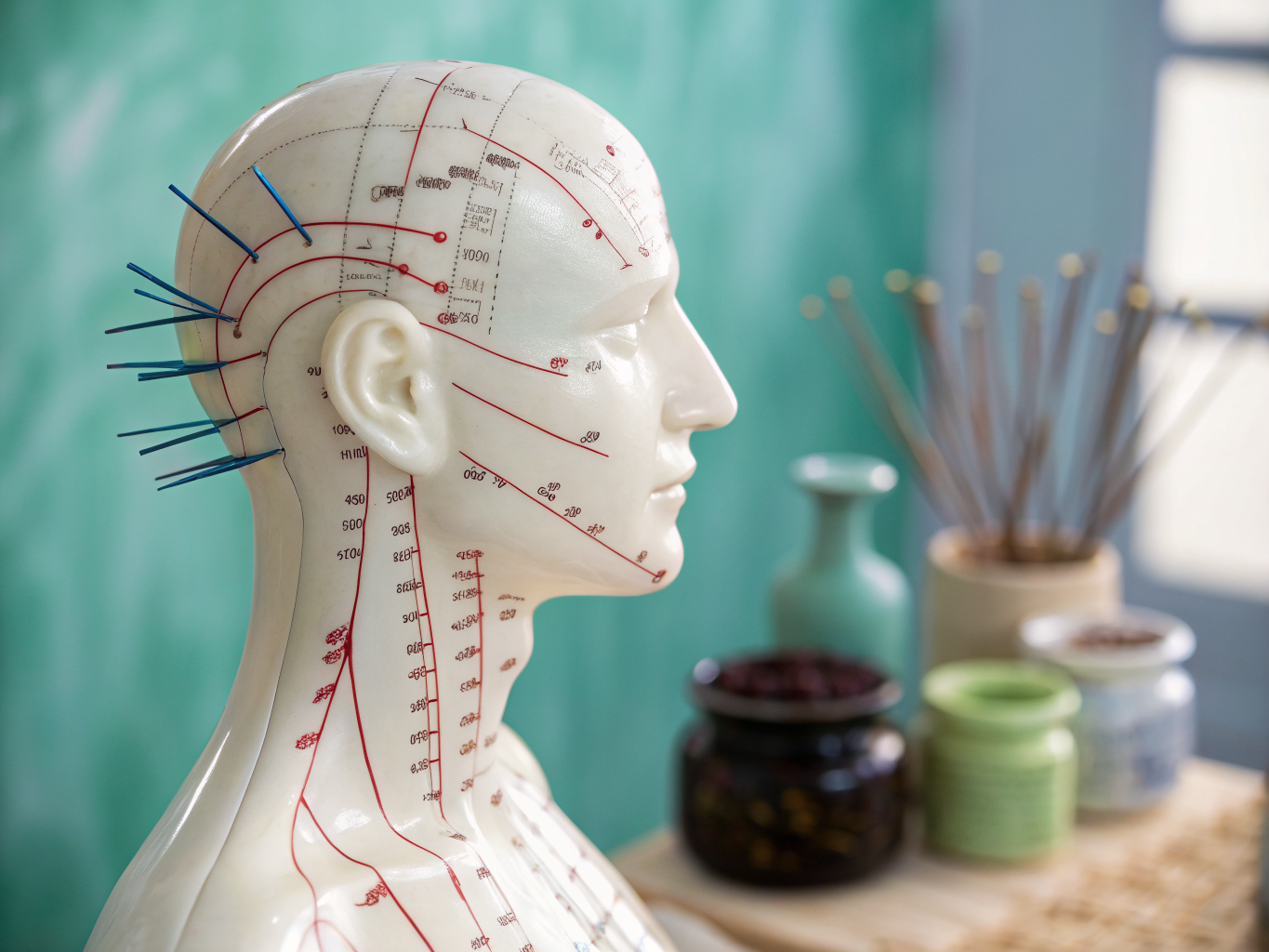
Understanding the injury helps explain why acupuncture and pain management go well together. Whiplash does not just affect muscles — it affects fascia, ligaments, nerve pathways, and even your body’s stress response. Pain often persists not because the tissue is still acutely damaged, but because the nervous system has been sensitized and local circulation remains disrupted.
Neck acupuncture works by targeting specific points that correspond to these disrupted pathways. Here is what is happening physiologically when acupuncture needles are placed at cervical and upper-back points:
1. Reduction of Local Muscle Guarding
After whiplash, muscles around the cervical spine contract protectively and often stay that way. Acupuncture needles placed in these areas create a micro-stimulus that signals the nervous system to release that holding pattern. Patients often notice a softening of tension during or right after the session.
2. Improved Local Blood Flow
Reduced circulation slows tissue repair. Acupuncture has been shown to enhance local blood flow around needle insertion sites, which may support the delivery of oxygen and nutrients to strained cervical tissues. This is one reason integrative protocols often combine neck acupuncture with cupping therapy — both work on circulation, just through different mechanisms.
3. Modulation of Pain Signals
The nervous system plays a major role in chronic whiplash pain. Acupuncture interacts with the body’s pain-signaling pathways, including the release of endorphins and other neurochemicals that naturally reduce pain perception. This is not a placebo effect — it is a measurable physiological response documented in clinical research.
4. Reduction of Pressure Pain Thresholds
Clinical data show that acupuncture reduces pain intensity, disability, and pressure pain thresholds in neck pain patients. For whiplash sufferers who find that even light touch on the neck is painful, this reduction in sensitivity can be a meaningful step toward functional recovery.
5. Support for the Stress Response
Whiplash often happens during traumatic events — car accidents, sports collisions, falls. The body’s stress response stays activated long after the physical event. Neck acupuncture, especially at points like GB20 at the base of the skull, may help regulate the autonomic nervous system and reduce the anxiety and tension that compound physical symptoms.
6. Addressing Referred Pain and Headaches
Many whiplash patients deal with headaches that originate from the cervical spine. Acupressure points and acupuncture points along the gallbladder and bladder meridians — running from the neck up through the skull — are commonly used to address this referred pain pattern. Treating the source, not just the symptom, is central to how Traditional Chinese Medicine approaches whiplash.
At Acupuncture Colorado Springs, David W. Armstrong, L.Ac., evaluates each patient’s specific injury pattern before selecting points. No two whiplash injuries present exactly the same way, and a root-cause approach means the treatment plan reflects your individual situation — not a generic cervical pain protocol.
Common Acupressure Points and Acupuncture Points Used for Neck Acupuncture After Whiplash
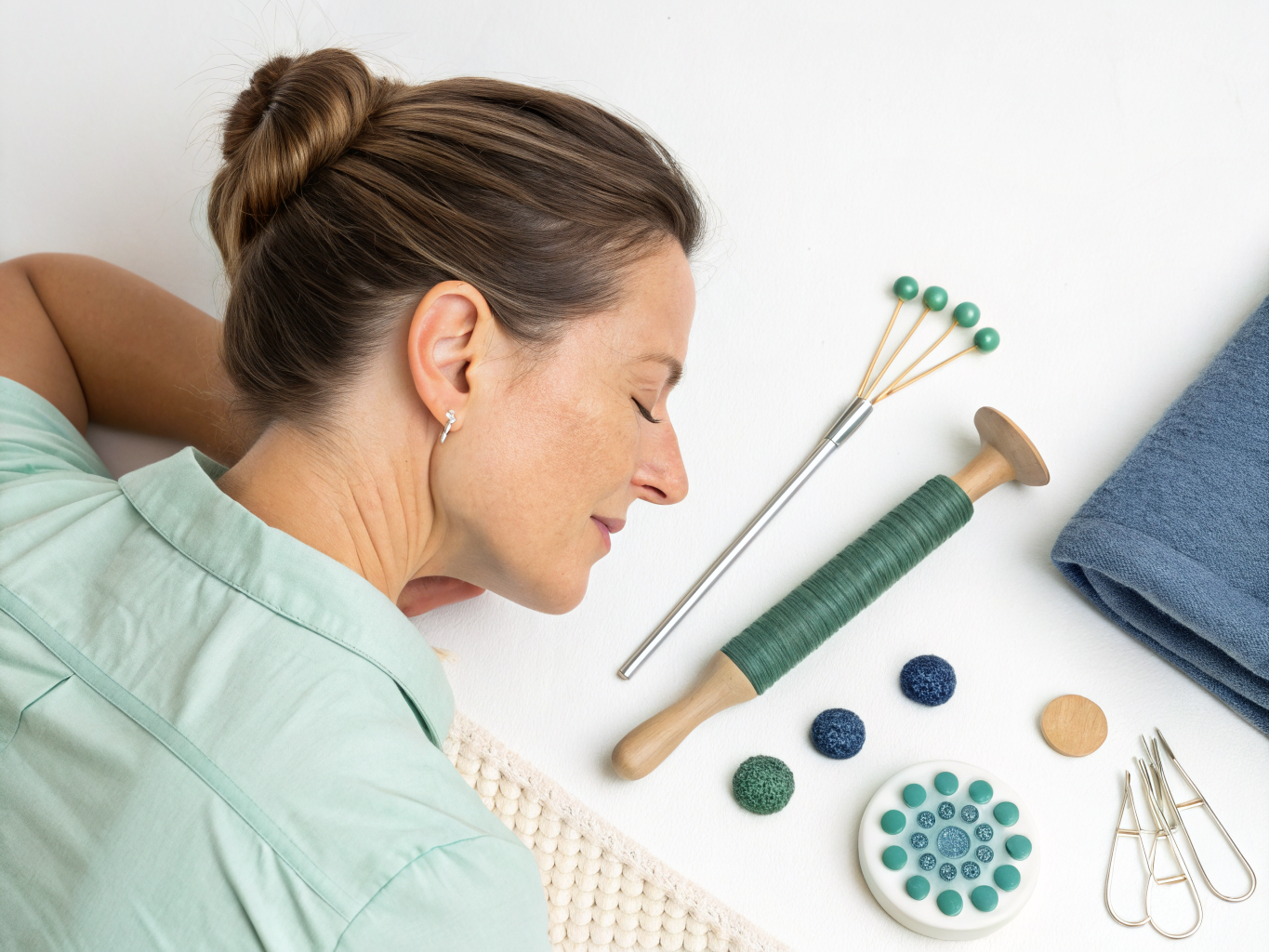
If you are curious about what a session actually involves, this section gives you a clear picture. Integrative neck pain protocols often combine acupuncture with acupressure and related modalities like cupping and manual therapy, targeting specific points to release muscle tightness, reduce inflammation, and enhance blood flow.
| Acupuncture Point | Location | Primary Use in Whiplash Recovery |
|---|---|---|
| GB20 (Feng Chi) | Base of the skull, in the hollow between neck muscles | Relieves cervical tension, headaches, and referred pain |
| BL10 (Tian Zhu) | Upper neck, lateral to the spine | Addresses stiffness, occipital pain, and muscle spasm |
| SI3 (Hou Xi) | Back of the hand, below the pinky | Supports cervical spine alignment and pain reduction |
| LI4 (He Gu) | Web between thumb and index finger | General pain modulation and anti-inflammatory effect |
| GB21 (Jian Jing) | Top of the shoulder, midpoint | Releases upper trapezius tension common in whiplash |
| DU14 (Da Zhui) | Base of the neck, between C7 and T1 | Reduces cervical inflammation and supports recovery |
These points are not used in isolation. A skilled practitioner selects a combination based on your symptom pattern, the stage of your recovery, and any co-occurring issues like sleep disruption or anxiety that often accompany whiplash injuries.
How Neck Acupuncture Compares to Other Whiplash Treatments
Most people recovering from whiplash are already doing something — rest, pain medication, physical therapy, or some combination. Where does neck acupuncture fit into that picture?
| Treatment Approach | Primary Mechanism | Best For | Limitations |
|---|---|---|---|
| Neck Acupuncture | Neurochemical, circulatory, and muscular modulation | Pain relief, muscle tension, headaches, stress response | Requires multiple sessions; evidence is moderate |
| NSAIDs / Pain Medication | Systemic anti-inflammatory or analgesic effect | Acute pain management | Side effects with prolonged use; does not address root cause |
| Physical Therapy | Strengthening, mobility, and postural correction | Long-term functional recovery | May be too aggressive in early acute phase |
| Cupping Therapy | Myofascial release and improved circulation | Muscle tightness, fascial adhesions | Best used alongside acupuncture, not alone |
| Massage Therapy | Soft tissue mobilization | Surface muscle tension and relaxation | Does not address deeper neurological sensitization |
Current evidence supports using acupuncture alongside first-line therapies rather than as a stand-alone cure. That is actually good news — it means acupuncture can work with what you are already doing, not instead of it. At our clinic, we often coordinate care with patients who are also seeing physical therapists or their primary care physicians, and we design the acupuncture component to complement those efforts.
We also offer cupping therapy and therapeutic massage as part of our integrative approach. If your whiplash recovery involves significant muscle guarding or fascial tightness — which is common — combining neck acupuncture with cupping in the same session may support faster relief. You can explore these services on our services page to see how they might fit your recovery plan.
What to Expect From Neck Acupuncture at Acupuncture Colorado Springs
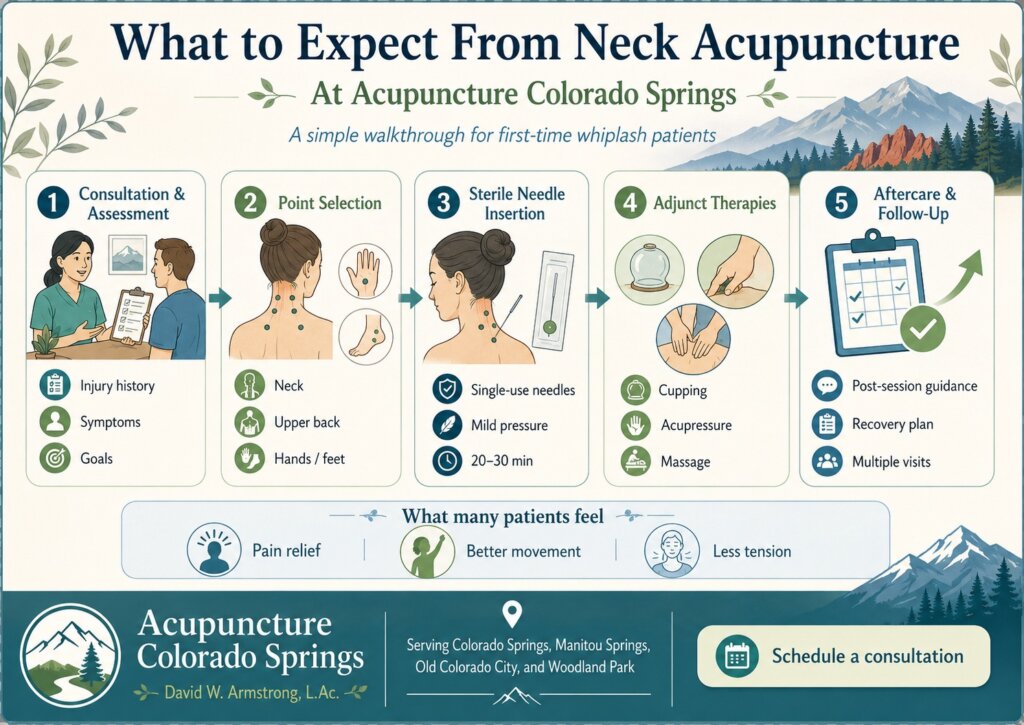
Coming in for the first time after a whiplash injury can feel uncertain. You may still be in pain, your range of motion may be limited, and you might not know what a session involves. Here is a straightforward walkthrough of the process at our clinic.
1. Initial Consultation and Assessment
Every treatment at Acupuncture Colorado Springs begins with a thorough conversation about your injury, your health history, your current symptoms, and your goals. David W. Armstrong, L.Ac., takes time to understand the full picture before selecting any points or designing a plan.
2. Point Selection Based on Your Pattern
Based on the assessment, David selects acupuncture points specific to your injury presentation. For whiplash, this typically includes cervical, upper-back, and sometimes distal points on the hands or feet that correspond to the affected meridians.
3. Needle Insertion With Sterile, Single-Use Needles
We use sterile, single-use acupuncture needles in compliance with Colorado state licensing regulations. The needles are very thin — most patients describe the sensation as a mild pressure or dull ache, not sharp pain. Needles are retained for approximately 20 to 30 minutes.
4. Adjunct Therapies as Needed
Depending on your presentation, David may incorporate cupping, acupressure, or therapeutic massage within the same session to address fascial tightness or circulation issues that acupuncture needles alone may not fully reach.
5. Post-Session Guidance and Follow-Up Plan
After each session, you will receive guidance on what to expect in the hours following treatment and how to support your recovery between visits. A typical whiplash recovery plan involves multiple sessions over several weeks, with frequency adjusted as your symptoms improve.
If you are ready to get started or want to ask questions before booking, you can reach us directly through our contact page or schedule a consultation online. We serve patients throughout Colorado Springs, including Manitou Springs, Old Colorado City, and Woodland Park.
Wrapping Up Your Whiplash Recovery Path
Neck acupuncture offers real, research-supported support for whiplash recovery — reducing pain, easing muscle tension, and addressing the stress response that keeps symptoms lingering. It works best alongside other therapies, not in place of them. If you are looking for a personalized, root-cause approach to healing in Colorado Springs, Acupuncture Colorado Springs is here to help you move forward with less pain and more function.
Acupuncture Colorado Springs offers board-certified acupuncture care to support whiplash recovery naturally. David W. Armstrong, L.Ac. addresses root causes, not just symptoms. Get started today by booking your personalized consultation.
FAQs
Is Acupuncture Safe for Neck Pain?
Yes—when performed by a properly licensed, board-certified acupuncturist, acupuncture is generally very safe for neck pain. We use sterile, single-use needles and adapt point selection and technique to your comfort, health history, and presentation.
How Many Acupuncture Sessions Are Needed for Neck Pain?
It depends on the cause, severity, and how long symptoms have been present. Many people notice changes within 3–6 visits, while longer-standing or more complex cases often benefit from a longer care plan; we tailor frequency and duration based on your response over time.
Where Do Acupuncture Needles Go for Neck Pain?
Needles may be placed locally in the neck/upper back and also at distal points (such as the arms, hands, legs, or feet) that help reduce pain, calm the nervous system, and improve mobility. Point selection is individualized rather than a one-size-fits-all protocol.
Can Acupuncture Help a Pinched Nerve in the Neck?
Acupuncture may help by reducing muscle tension, improving circulation, and calming irritated nerves, which can ease radiating pain, tingling, or stiffness. We also assess contributing factors (posture, workload, stress, prior injuries) to support more lasting improvement.
What Are the Side Effects of Acupuncture on the Neck?
Side effects are typically mild and short-lived, such as temporary soreness, light bruising, or brief fatigue/relaxation after treatment. Serious complications are rare when care is provided by a licensed professional using proper hygiene and technique.