Fear of needles keeps many people from experiencing the benefits of acupuncture, even when they’re dealing with chronic pain, stress, or other health concerns that could improve with treatment. The good news is that acupuncture needles are fundamentally different from medical injection needles, and skilled practitioners use numerous techniques to minimize discomfort for needle-sensitive patients. Modern acupuncture practices prioritize patient comfort through gentle insertion methods, smaller gauge needles, and alternative approaches that can help even the most anxious patients access healing.
This guide will walk you through what needle-sensitive patients can expect during their first visit, explain why acupuncture needles feel different than shots, and explore comfort-first techniques that reduce sensation and anxiety. You’ll also learn about non-needle alternatives and how our Colorado Springs clinic creates a supportive environment for nervous patients.
Key Takeaways
- Filiform acupuncture needles are much thinner than hypodermic needles and cause minimal discomfort
- Practitioners can adjust needle depth, number, and insertion speed based on patient sensitivity
- Non-needle alternatives like acupressure and cupping provide gentle entry points to Traditional Chinese Medicine
- Clear communication and patient-led pacing help reduce anxiety during treatment
- Most patients report feeling pressure, warmth, or mild sensation rather than sharp pain
What Needle-Sensitive Patients Can Expect During Their First Visit

Your first acupuncture appointment begins with a thorough conversation about your health history, current concerns, and any anxiety about needles. We take time to understand your specific fears and explain each step of the process before beginning treatment. This initial consultation helps create a personalized approach that respects your comfort level while addressing your health goals.
The treatment room environment plays a crucial role in helping nervous patients feel at ease. Soft lighting, calming music, and comfortable positioning on the treatment table help activate your body’s relaxation response before any needles are introduced.
1. Pre-Treatment Discussion and Consent
Before any needles are used, your practitioner will explain the proposed treatment plan and ask for your consent at each step. You maintain complete control over the session and can request breaks, modifications, or early termination at any time.
2. Gradual Introduction to Needles
Many practitioners start with just one or two needles in less sensitive areas to help you acclimate to the sensation. This gradual approach allows you to experience what acupuncture actually feels like before proceeding with a full treatment.
3. Continuous Comfort Monitoring
Throughout the session, your practitioner will check in about your comfort level and adjust techniques as needed. This might include changing needle depth, location, or the total number of needles used.
4. Flexible Session Length
First visits for needle-sensitive patients often involve shorter needle retention times, sometimes just 10-15 minutes instead of the typical 20-30 minutes. This helps build confidence while still providing therapeutic benefits.
5. Post-Treatment Support
After needle removal, practitioners often spend extra time discussing how you felt during treatment and planning modifications for future sessions. This feedback loop helps refine your treatment approach over time.
The growing acceptance of acupuncture for pain management has led to increased demand for gentle treatment approaches, with the global acupuncture needles market expected to grow from $283.5 million in 2024 to $524.4 million by 2033.
Acupuncture Needles and Why They Feel Different Than Shots
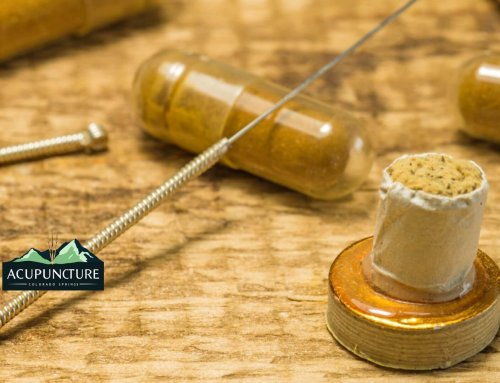
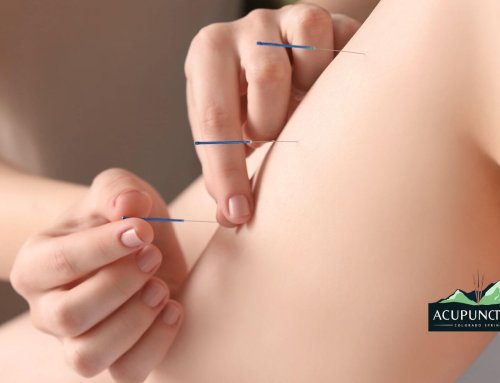
The fundamental difference between acupuncture needles and hypodermic needles explains why most patients find acupuncture surprisingly comfortable. Filiform acupuncture needles are solid, hair-thin instruments designed for precise stimulation rather than fluid injection. These specialized needles create minimal tissue displacement and rarely cause the sharp, stabbing sensation associated with medical injections.
Seirin acupuncture needles and other high-quality brands use ultra-fine manufacturing processes that create smooth, sharp points requiring minimal insertion force. The needle diameter ranges from 0.12mm to 0.35mm, compared to typical injection needles that measure 0.6mm to 1.2mm in diameter.
| Needle Type | Diameter | Purpose | Typical Sensation |
|---|---|---|---|
| Acupuncture (Filiform) | 0.12-0.35mm | Point stimulation | Pressure, warmth, tingling |
| Hypodermic | 0.6-1.2mm | Fluid injection | Sharp pain, burning |
1. Needle Thickness and Design
Acupuncture needles are typically 10-20 times thinner than injection needles, with filiform needles representing the thinnest type used in clinical practice. This dramatic size difference means significantly less tissue trauma during insertion.
2. Insertion Depth and Technique
Most acupuncture points require needle insertion of only 0.5-1.5 inches, much shallower than many medical injections. The insertion technique uses quick, confident movements that minimize tissue stretching and discomfort.
3. Typical Sensations Patients Report
Rather than sharp pain, patients commonly describe acupuncture sensations as mild pressure, warmth, tingling, or a brief pinch. Some points may create a dull ache or heavy feeling, which practitioners call “de qi” – a sign of effective needle placement.
4. No Fluid Injection
Unlike medical injections that introduce foreign substances into tissue, acupuncture needles simply stimulate existing nerve pathways and energy points. This eliminates the burning or stinging sensation often associated with medication injections.
5. Rapid Adaptation
Most patients find that any initial discomfort fades within seconds of needle insertion as the nervous system adapts to the gentle stimulation. Many people fall asleep during treatment once they relax.
Market research shows that disposable needles now hold 55% of the acupuncture needle market share due to enhanced hygiene and safety protocols, giving patients additional confidence in treatment safety.
Comfort-First Techniques That Reduce Sensation and Anxiety

Modern acupuncture practitioners have developed numerous techniques specifically designed to minimize discomfort for needle-sensitive patients. These methods can dramatically reduce both the physical sensation of needle insertion and the psychological anxiety that often accompanies treatment. The goal is creating a therapeutic experience that feels safe and manageable while still delivering the benefits of acupuncture.
acupuncture Colorado Springs adapts treatment intensity and methods based on individual patient needs and comfort levels.
1. Smaller Gauge Needles
Using the thinnest possible needles appropriate for treatment goals can significantly reduce sensation. Some practitioners use 0.12mm needles for particularly sensitive patients, though slightly thicker needles may be needed for deeper point stimulation.
2. Reduced Needle Count
Instead of using 15-20 needles in a typical session, sensitive patients might start with just 3-5 strategically placed needles. This limited approach can still provide therapeutic benefits while building confidence.
3. Shallow Insertion Techniques
Many acupuncture points can be effectively stimulated with very shallow needle insertion, sometimes just 2-3mm deep. This surface-level approach provides benefits while minimizing the sensation of deeper tissue penetration.
4. Guided Breathing and Relaxation
Practitioners often guide patients through deep breathing exercises during needle insertion, helping activate the parasympathetic nervous system and reduce pain perception. Coordinating insertion with exhale breaths can further minimize discomfort.
5. Optimal Patient Positioning
Comfortable positioning on the treatment table helps patients feel secure and relaxed. Some sensitive patients prefer sitting positions initially, while others find lying face-up less anxiety-provoking than face-down positions.
6. Distraction and Communication Techniques
Engaging patients in conversation during needle insertion can provide helpful distraction from physical sensations. Some practitioners use visualization techniques or play calming music to redirect attention.
7. Temperature and Environmental Controls
Warm treatment rooms and heated tables help patients feel comfortable and prevent muscle tension that can increase needle sensitivity. Soft lighting and aromatherapy can further enhance the calming environment.
These comfort-first approaches recognize that successful acupuncture treatment depends on patient relaxation and trust in the therapeutic process.
Non-Needle Options and Training Wheels Alternatives for Extra-Sensitive Patients
Patients who remain too anxious for needle-based treatments can still access many benefits of Traditional Chinese Medicine through alternative approaches. These non-invasive techniques follow the same diagnostic principles and point locations as acupuncture while providing gentler stimulation methods. Many patients use these alternatives as stepping stones toward eventual needle treatments, though some find them completely sufficient for their health goals.
These alternatives can be particularly valuable for teenagers, patients with needle phobias, or those taking blood-thinning medications that make needle treatments inadvisable.
1. Acupressure and Manual Point Stimulation
Applying firm finger pressure to acupuncture points can provide similar therapeutic effects to needling. Practitioners can teach patients self-acupressure techniques for ongoing home care between professional sessions.
2. Ear Seeds and Auricular Therapy
Small adhesive seeds or beads placed on ear acupuncture points provide continuous gentle stimulation without needles. Patients can press these seeds throughout the day to enhance therapeutic effects.
3. Cupping Therapy
Glass or silicone cups create gentle suction on the skin to stimulate circulation and release muscle tension. Many patients find cupping deeply relaxing and therapeutic for pain conditions.
4. Gua Sha and Scraping Techniques
Smooth tools are used to gently scrape the skin surface, promoting blood flow and reducing inflammation. This technique feels like a firm massage and can be very effective for neck and shoulder tension.
5. Tuina Therapeutic Massage
Some practitioners use Tuina, a Chinese medical massage that incorporates acupressure points with traditional massage techniques. This hands-on approach provides many acupuncture benefits through touch therapy.
6. Heat Therapy and Moxibustion
Burning dried herbs near acupuncture points or using infrared heat lamps can stimulate points without needles. The warming sensation is generally very pleasant and relaxing.
7. Limited-Point Protocols
Some practitioners offer “micro-acupuncture” sessions using just one or two needles in the ears or hands. These minimal approaches can provide systemic benefits while building patient confidence.
Research indicates that hospitals now represent 46.1% of acupuncture needle usage, suggesting increased medical integration and safety protocols that benefit all types of patients, including those seeking gentler alternatives.
Acupuncture Colorado Springs: Gentle Care Designed for Nervous and Needle-Sensitive Patients
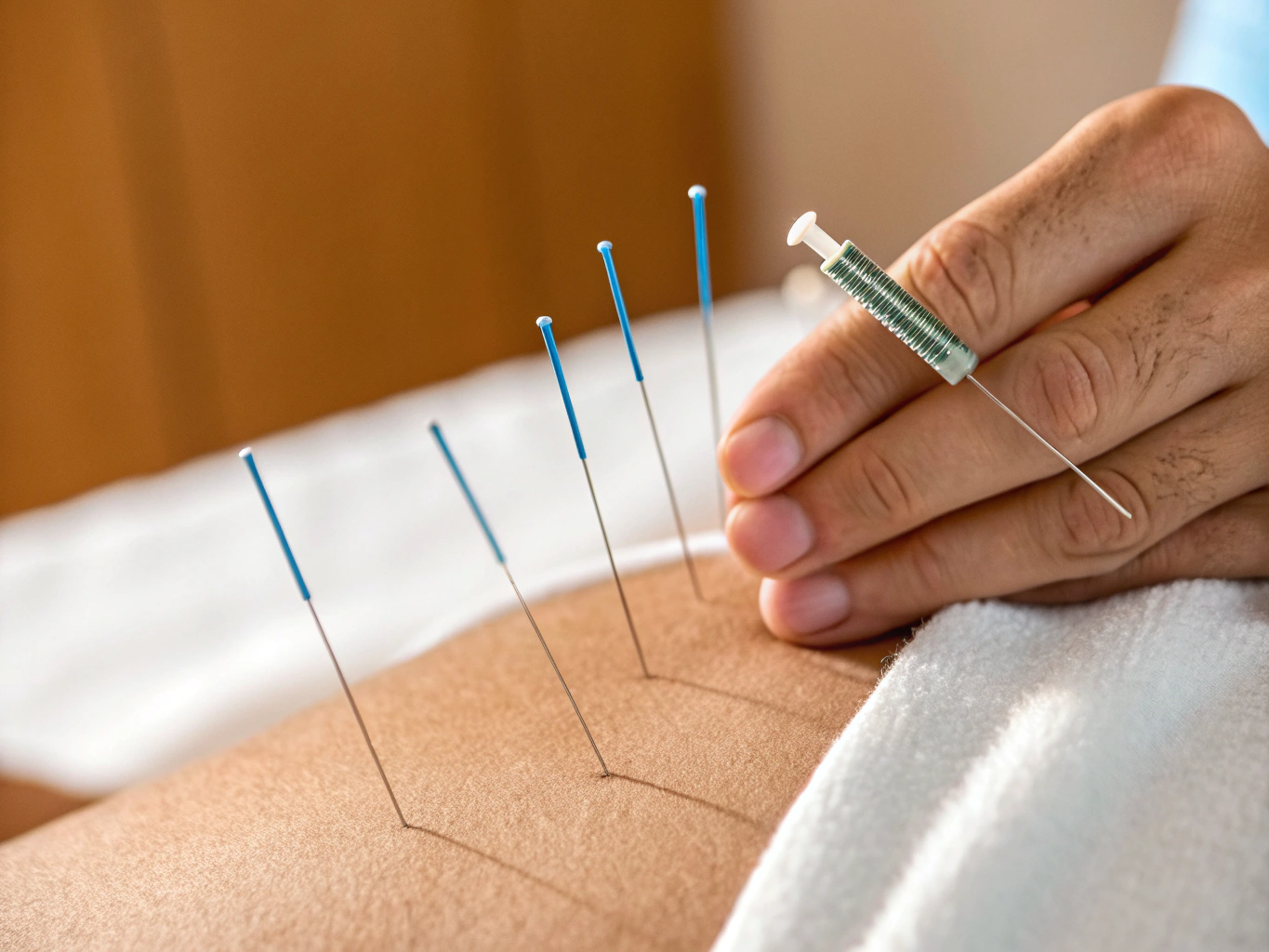
At Acupuncture Colorado Springs, we understand that needle anxiety is a real barrier to accessing the healing benefits of Traditional Chinese Medicine. Our clinic environment and treatment approaches are specifically designed to support nervous patients through their healing journey. Led by David W. Armstrong, L.Ac., we prioritize patient comfort and clear communication throughout every aspect of care.
Located at 2525 W Pikes Peak Ave, Suite B, our clinic serves the greater Colorado Springs area with personalized treatment plans that respect individual comfort levels and health goals.
1. Calm, Welcoming Environment
Our treatment rooms feature soft lighting, comfortable temperatures, and peaceful decor designed to activate your relaxation response before treatment begins. We maintain a quiet, spa-like atmosphere that helps counter the clinical associations many people have with needle procedures.
2. Patient-Led Pacing and Control
Every session moves at your preferred pace, with frequent check-ins about comfort levels and treatment intensity. You maintain complete control over the session and can request modifications, breaks, or early termination at any time without judgment.
3. Comprehensive Pre-Treatment Education
We spend extra time explaining acupuncture needles, expected sensations, and treatment procedures before beginning any hands-on work. This education helps reduce anxiety by replacing fear of the unknown with clear expectations.
4. Flexible Treatment Modifications
Our treatment plans can incorporate non-needle alternatives like acupressure or cupping when appropriate. We also offer combination approaches that gradually introduce needles alongside familiar techniques.
5. Regular Comfort Assessments
Throughout treatment, we continuously monitor your comfort level and adjust techniques as needed. This might include changing needle depth, reducing the number of points used, or incorporating additional relaxation techniques.
We serve patients throughout El Paso County, including Manitou Springs, Old Colorado City, and Woodland Park, with the same gentle, personalized approach to needle-sensitive care.
Moving Forward With Confidence
Needle sensitivity doesn’t have to prevent you from accessing the pain relief and wellness benefits that acupuncture provides. Modern gentle techniques and alternative approaches make Traditional Chinese Medicine accessible to even the most anxious patients. The key is finding a practitioner who understands your concerns and adapts their methods accordingly.
Acupuncture Colorado Springs uses sterile, single-use needles with gentle techniques for sensitive patients. Our board-certified practitioner creates personalized treatment plans addressing your specific comfort needs. Learn more about our compassionate approach today.
FAQs
What Are Acupuncture Needles Made Of?
Most acupuncture needles are made of medical-grade stainless steel, and many have a handle wrapped in copper or stainless steel for stability. At Acupuncture Colorado Springs, we use sterile, single-use, professionally manufactured needles selected for comfort—especially for needle-sensitive patients.
How Long Are Acupuncture Needles?
Acupuncture needles come in a range of lengths, commonly about 15–50 mm (roughly 0.6–2 inches), with different thicknesses as well. David W. Armstrong, L.Ac., chooses the size based on the area treated, your body type, and your comfort so the treatment feels as gentle as possible.
Are Acupuncture Needles Safe?
Yes—when performed by a properly licensed practitioner using sterile, single-use needles, acupuncture is considered very safe. Our clinic follows Colorado safety and hygiene regulations, including clean technique and disposable needles for every treatment.
Do Acupuncture Needles Hurt?
Most people feel little to no pain; sensations are often described as a brief pinch, warmth, heaviness, or a mild “dull ache” that quickly settles. For needle-sensitive patients, we use a slower, lighter approach and can adjust point selection and technique to keep sessions comfortable.
How Many Acupuncture Needles Are Used in a Session?
It varies by your needs, but many sessions use about 6–20 needles. We tailor the number to your condition and sensitivity, and we can use fewer needles while still aiming for effective, root-cause-focused results.