Most people picture acupuncture needles going into the back, shoulders, or legs. Head acupuncture surprises a lot of first-time patients. The scalp, it turns out, is one of the most neurologically rich areas of the entire body, and placing acupuncture needles there can influence far more than just a headache.
This article breaks down what head acupuncture actually is, how it works from both a Traditional Chinese Medicine and a modern science perspective, what conditions it may support, and what you can expect if you decide to try it. By the end, you will have a clear picture of whether this approach might be worth exploring for your own health concerns.
Key Takeaways
- Head acupuncture targets specific acupuncture points on the scalp to influence the brain and nervous system.
- It draws from Traditional Chinese Medicine principles and is supported by emerging neurological research.
- The treatment may help with headaches, migraines, neurological conditions, and stress-related symptoms.
- Scalp acupuncture is considered safe when performed by a licensed, board-certified practitioner using sterile, single-use needles.
- A personalized assessment is key to determining whether head acupuncture fits your specific health needs.
What Head Acupuncture Is and How It Works on Acupuncture Points
Head acupuncture, sometimes called scalp acupuncture, is a specialized form of acupuncture that focuses needle placement on specific zones and acupuncture points located on the scalp. It was formally developed in the 1950s and 1960s by Chinese neurologist Dr. Jiao Shunfa, who mapped scalp zones to correspond with functional areas of the brain, such as those governing movement, sensation, speech, and balance. This approach blends classical Chinese Medicine theory with a working knowledge of neuroanatomy.
In Traditional Chinese Medicine, the head is where several major meridians converge. Meridians are the pathways through which qi, or vital energy, flows throughout the body. When those pathways become blocked or imbalanced, symptoms can appear anywhere along their route, including the head, neck, and beyond.
From a modern science perspective, stimulating scalp acupuncture points appears to activate sensory nerve fibers just beneath the skin. Research published by Harvard Medical School suggests that acupuncture stimulation influences the nervous system and may reduce inflammation by signaling specific nerve pathways. The scalp, being densely innervated, makes it a particularly responsive treatment site.
Head Acupuncture vs. Traditional Body Acupuncture: Understanding the Difference
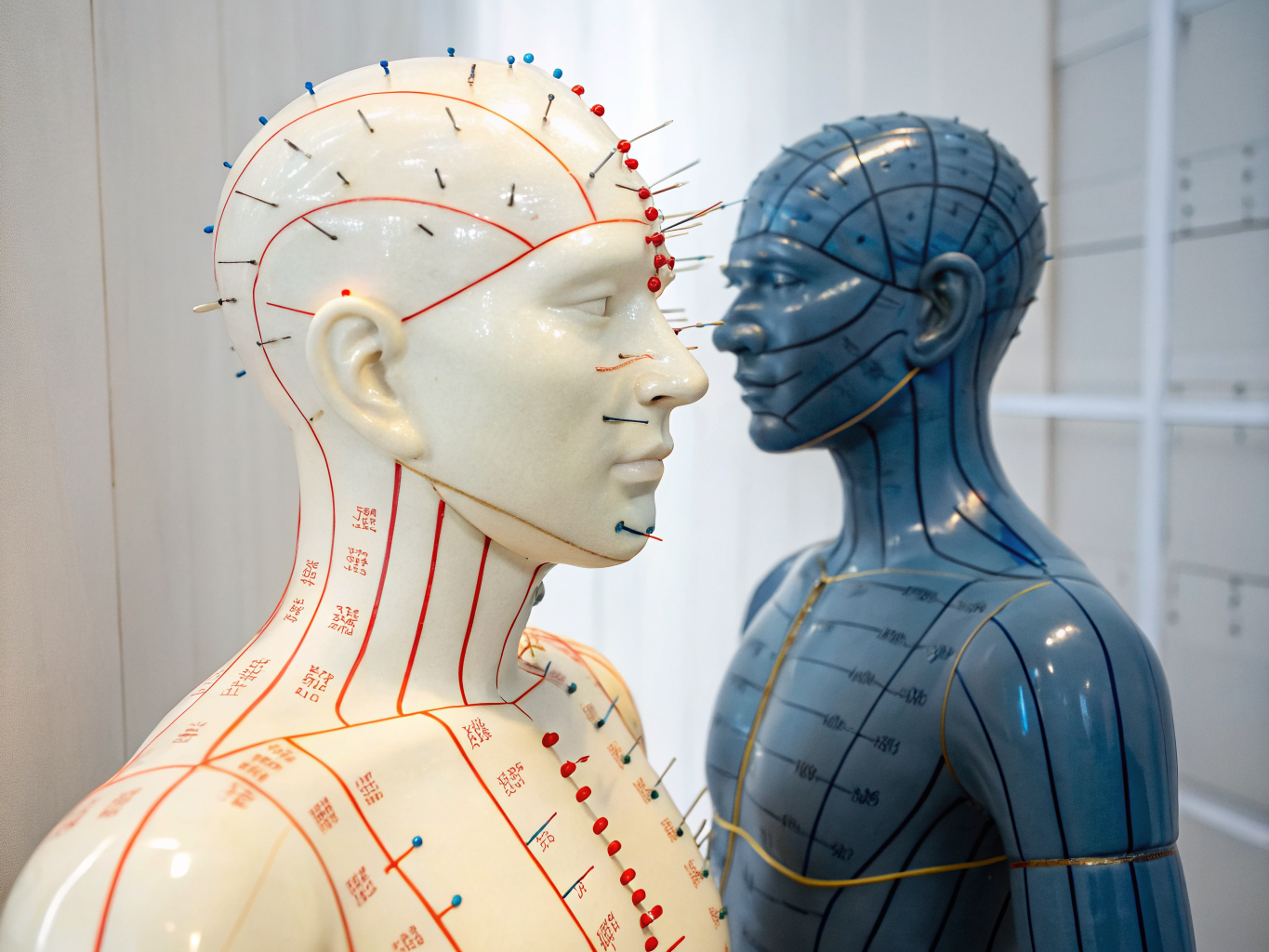
You might be wondering how scalp acupuncture differs from a standard acupuncture session. Both use thin, sterile acupuncture needles and both work within the framework of Traditional Chinese Medicine. The distinction lies primarily in needle placement and the conditions each approach tends to address most directly.
| Feature | Head Acupuncture | Traditional Body Acupuncture |
|---|---|---|
| Primary needle location | Scalp and cranial zones | Body meridian points (arms, legs, back, abdomen) |
| Main system targeted | Brain, nervous system, neurological function | Organ systems, musculoskeletal, systemic balance |
| Common conditions treated | Headaches, migraines, stroke recovery, tremors | Chronic pain, digestive issues, stress, insomnia |
| Needle depth | Shallow, along the scalp surface | Varies by point and condition |
| Session length | 30 to 60 minutes typically | 30 to 60 minutes typically |
In practice, many licensed acupuncturists combine scalp points with body acupuncture points in the same session. This integrated approach allows the treatment to address both the neurological and systemic dimensions of a health concern at the same time.
Key Acupuncture Benefits of Head Acupuncture for Common Health Concerns
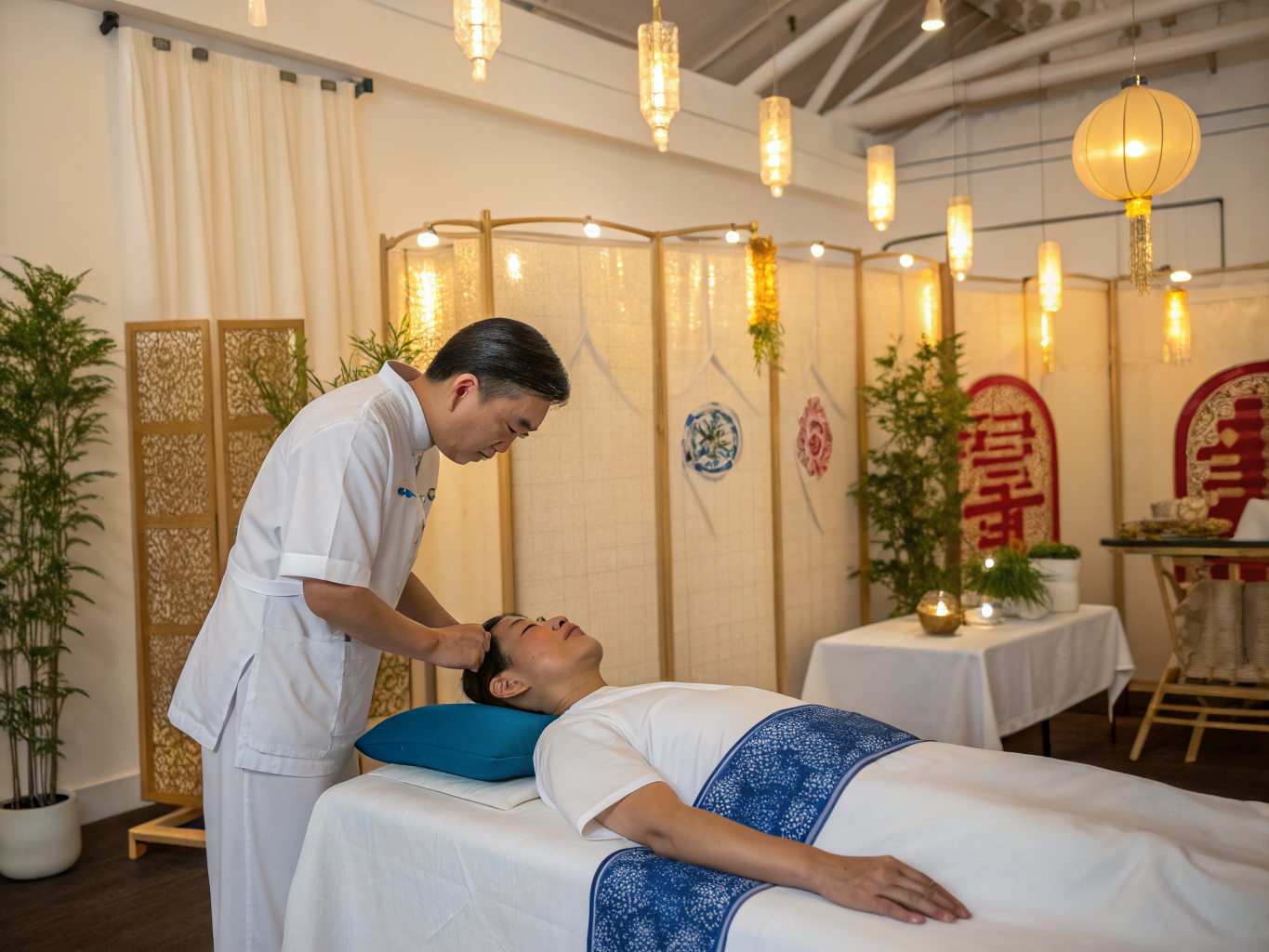
Head acupuncture is not a one-size-fits-all treatment, but research and clinical experience suggest it may support a meaningful range of conditions. The acupuncture benefits associated with scalp needle placement are particularly relevant for people dealing with neurological symptoms, chronic head pain, or stress-related nervous system dysregulation.
1. Migraine and Headache Relief Through Targeted Acupuncture Points
The Migraine Trust notes that acupuncture has shown evidence of reducing the number of migraine days in some patients, with guideline support in several countries. Scalp acupuncture points in the sensory and motor zones may help regulate pain signaling in the trigeminal nerve network, which plays a central role in migraine episodes.
2. Neurological Recovery and Stroke Rehabilitation With Head Acupuncture
A peer-reviewed study published in PubMed Central examined scalp acupuncture specifically for neurological conditions, including stroke-related paralysis. The findings indicated that scalp stimulation may support motor recovery and functional improvement when used alongside conventional rehabilitation.
3. Stress and Anxiety Reduction via Scalp Acupuncture Needles
Chronic stress is one of the most common reasons patients come through our door at Acupuncture Colorado Springs. Scalp acupuncture may calm the sympathetic nervous system, the part of your body that drives the fight-or-flight response. Many patients report a noticeable sense of mental quiet during and after treatment.
4. Cognitive Clarity and Mental Fatigue Support With Acupuncture Benefits
Some patients dealing with brain fog, concentration difficulties, or mental exhaustion find scalp acupuncture helpful. By stimulating zones associated with cognitive function, the treatment may promote better cerebral circulation and clearer thinking.
5. Balance and Coordination Concerns Addressed Through Head Acupuncture Points
Zones on the scalp correspond to the cerebellum and vestibular pathways, which govern balance and coordination. Head acupuncture targeting these areas may be useful for patients managing dizziness, vertigo, or age-related balance challenges.
6. Tension Headaches and Neck Pain Linked to Scalp Acupuncture Needles
Tension headaches often originate from tight muscles in the neck and upper back, but the pain is felt in the head. Scalp acupuncture points in the sensory zone, combined with neck and shoulder body points, may address both the symptom and the underlying muscular tension driving it.
7. Sleep Disruption and Insomnia Supported by Acupuncture Points on the Head
Poor sleep is frequently tied to an overactive nervous system. Head acupuncture, particularly when combined with body points that calm the heart and mind in TCM terms, may help regulate sleep cycles and reduce the racing thoughts that keep people awake at night.
What to Expect During a Head Acupuncture Session
If you have never experienced scalp acupuncture before, the process is more comfortable than most people expect. The needles used are extremely fine, much thinner than a standard medical needle, and placement along the scalp is typically shallow and precise. Most patients feel mild pressure, a brief tingling, or nothing at all during insertion.
Here is a general overview of what a session looks like at our clinic:
- Initial Consultation: David W. Armstrong, L.Ac. begins every appointment with a detailed conversation about your health history, current symptoms, lifestyle, and goals. This is not a rushed intake form. It is a real dialogue that shapes your entire care plan.
- Scalp Zone Assessment: Based on your presenting concerns, David identifies the relevant scalp zones and acupuncture points to target. He may also select body points to complement the scalp work.
- Needle Placement: Sterile, single-use acupuncture needles are inserted along the scalp. You will remain comfortably reclined during this phase. Some practitioners gently stimulate the needles to enhance the response.
- Rest Period: Needles typically remain in place for 20 to 40 minutes. Most patients find this deeply relaxing. Some fall asleep.
- Needle Removal and Debrief: After removal, David checks in about your experience and may offer guidance on supportive self-care between sessions, including herbal recommendations if appropriate.
At Acupuncture Colorado Springs, we also offer cupping therapy that can be incorporated into your care plan. If you are dealing with both head pain and tension through the neck and upper back, pairing scalp acupuncture with cupping or bodywork may provide more complete relief. You can explore those options on our services page.
Is Head Acupuncture Safe? What the Research and Guidelines Say
The National Center for Complementary and Integrative Health (NCCIH) states that acupuncture is generally safe when performed by a trained and licensed practitioner using sterile, single-use needles. Serious adverse events are rare. The most common side effects are minor, including brief soreness or small bruising at needle sites.
Scalp acupuncture carries the same safety profile as standard acupuncture when practiced correctly. The scalp has a strong blood supply, so minor bleeding or bruising is slightly more common than at other body sites, but this is typically minimal and resolves quickly. Patients on blood thinners or with certain scalp conditions should discuss their history with their practitioner before treatment.
David W. Armstrong, L.Ac. operates under Colorado state law and follows all licensing, hygiene, and safety regulations for acupuncturists. Every needle used at our clinic is sterile and single-use, and every treatment is informed by a thorough health intake. You are not walking into a generic protocol. You are receiving care designed specifically for you.
Who Might Benefit Most From Head Acupuncture and Acupuncture Points Treatment
Head acupuncture is not the right starting point for every patient, but it tends to be particularly relevant for certain groups. If you recognize yourself in any of the following, it may be worth having a conversation with a licensed acupuncturist about whether scalp treatment fits your situation.
- People with frequent migraines or chronic tension headaches that have not fully responded to other treatments
- Patients managing post-stroke recovery or neurological rehabilitation alongside conventional care
- Individuals dealing with significant stress, anxiety, or mental fatigue that affects daily function
- Those experiencing dizziness, vertigo, or balance-related concerns
- Patients with sleep disruption tied to an overactive nervous system or chronic stress
- Anyone curious about a natural, non-pharmaceutical approach to neurological or head-related symptoms
If you live in Colorado Springs or nearby communities like Manitou Springs, Woodland Park, or Old Colorado City, you can schedule a consultation with us to find out whether head acupuncture, body acupuncture, or a combination approach makes the most sense for your health picture. Our clinic at 2525 W Pikes Peak Ave, Suite B is designed to be a calm, grounded space where you can have that conversation without pressure.
How Many Sessions Does Head Acupuncture Typically Require?
This is one of the most common questions patients ask, and the honest answer is that it depends on the condition being treated, how long it has been present, and how your body responds. Acute issues, like a recent tension headache pattern, may show improvement within a few sessions. Chronic or neurological conditions generally require a longer course of treatment.
A typical starting point is six to ten sessions, often scheduled weekly or twice weekly in the early phase. David reassesses your progress regularly and adjusts the treatment plan based on what he observes. The goal is not to keep you coming indefinitely. It is to get you to a place where symptoms are manageable and your body is better equipped to maintain balance on its own.
We also offer Chinese herbal medicine guidance as a complement to acupuncture treatment. Certain herbal formulas used in Traditional Chinese Medicine have been associated with supporting circulation, calming the nervous system, and reducing inflammation. If herbal support seems appropriate for your case, David will discuss that option with you as part of a complete care plan.
Conclusion
Head acupuncture is a well-developed, evidence-informed approach that targets the scalp’s dense network of nerves and acupuncture points to support neurological health, pain relief, and nervous system balance. Whether you are managing migraines, recovering from a neurological event, or simply trying to quiet a chronically overloaded mind, scalp acupuncture may offer a meaningful path forward. At Acupuncture Colorado Springs, David W. Armstrong, L.Ac. takes the time to understand your full health picture before recommending any treatment, so you can trust that every needle placed is there for a clear, considered reason.
Acupuncture Colorado Springs offers expert board-certified acupuncture care tailored to your unique needs. David W. Armstrong, L.Ac. focuses on root-cause treatment. Book your consultation today—get started on your path to lasting relief.
FAQs
What Is Head Acupuncture Used For?
Head (scalp) acupuncture is commonly used to support headaches and migraines, stress and sleep concerns, jaw tension, sinus pressure, and neurological or post-injury symptoms such as dizziness, numbness, or weakness. In Traditional Chinese Medicine, we select scalp and body points based on your full pattern—not just the symptom—to support both relief and longer-term balance.
Does Acupuncture on the Head Work?
For many people, yes—head acupuncture can be effective, especially for pain, tension, and certain neurological-related symptoms. Results vary by condition and overall health, which is why we start with a detailed intake and tailor point selection and treatment frequency to your goals.
What Are the Side Effects of Scalp (Head) Acupuncture?
Side effects are usually mild and short-lived, such as temporary tenderness, slight bruising, lightheadedness, or fatigue. Serious side effects are rare when performed by a licensed acupuncturist using sterile, single-use needles and proper technique.
How Long Do the Effects of Scalp Acupuncture Last?
Some people feel changes the same day that may last hours to days, while others notice more lasting improvement after a series of treatments. Duration depends on the condition, how long it’s been present, and factors like stress, sleep, and lifestyle—so we adjust your plan as your body responds.
Is Scalp Acupuncture Painful?
Most patients find scalp acupuncture very tolerable; you may feel a quick pinch or pressure, followed by warmth, heaviness, or tingling. We use gentle technique and communicate throughout the session to keep you comfortable.