When you’re trying to conceive, every decision feels important. You’re likely researching everything from diet changes to stress management techniques, and you may have come across acupuncture as a supportive therapy for fertility. One of the most common questions we hear at our clinic is about frequency: how often should you come in for treatments to support your fertility goals?
The answer isn’t one-size-fits-all. Treatment frequency depends on your unique health history, menstrual cycle patterns, stress levels, and whether you’re trying to conceive naturally or preparing for assisted reproductive technology like IVF. This article will walk you through how acupuncture treatment schedules are typically structured for fertility support, what factors influence session frequency, and how we personalize care to match your body’s needs and your timeline.
Key Takeaways
- Acupuncture for fertility typically starts with weekly sessions during the initial phase to build momentum and address underlying imbalances.
- Treatment frequency adjusts based on your menstrual cycle, stress levels, and whether you’re preparing for procedures like IVF or IUI.
- Most fertility-focused acupuncture plans span three to six months to support hormonal balance and reproductive health over several cycles.
- Sessions may increase to twice weekly during critical windows, such as pre-ovulation, pre-transfer, or high-stress periods.
- Maintenance care after conception or between cycles helps sustain progress and manage stress during your fertility journey.
How Often to Do Acupuncture for Fertility: Understanding the Initial Phase
When you first begin acupuncture for fertility support, the initial treatment phase typically involves weekly sessions. This consistent frequency allows your practitioner to assess how your body responds to treatment and begin addressing root imbalances that may be affecting your reproductive health. Weekly visits during the first month or two help establish a therapeutic rhythm and give your body time to adjust.
During this phase, we’re looking at the bigger picture. Are your cycles regular or irregular? Do you experience significant PMS symptoms, painful periods, or mid-cycle spotting? How are your stress levels, sleep quality, and digestion? All of these factors connect to fertility in Traditional Chinese Medicine, and weekly sessions give us the opportunity to track patterns across your full menstrual cycle.
You might be wondering why weekly visits matter more than spacing them out every two or three weeks. Acupuncture works cumulatively. Each session builds on the last, and consistent treatment helps regulate hormones, improve blood flow to the reproductive organs, and calm the nervous system more effectively than sporadic visits. Think of it like physical therapy: you wouldn’t expect to rehabilitate an injury with one session per month.
Adjusting Frequency Based on Your Menstrual Cycle
Once you’ve completed the initial phase and your symptoms have stabilized, the frequency of acupuncture can be adjusted to match the natural rhythm of your menstrual cycle. Different phases (follicular, ovulation, luteal, and menstruation) tend to have distinct goals for support, so timing can matter as much as frequency. This cycle-aligned approach keeps care targeted, efficient, and easier to maintain over time.
| Menstrual Cycle Phase | Typical Timing | Common Scheduling Focus |
|---|---|---|
| Menstruation | Days 1–5 (varies) | Comfort support, cramp/tension relief, circulation support, reset after bleeding starts |
| Follicular Phase | After period ends → leading up to ovulation | Foundational support, follicle development support, stress/sleep regulation, energy building |
| Ovulation Window | ~24–48 hours around ovulation (varies) | Targeted timing visit, pelvic circulation support, nervous system calming, “peak window” support |
| Luteal Phase | After ovulation → before next period | Progesterone-phase support, mood/irritability support, sleep support, implantation-focused timing (if trying to conceive) |
| Pre-Period Check-In | 3–7 days before expected period | PMS pattern support, bloating/tension support, cycle regularity support, adjustment based on symptoms |
Many patients do best with one or two strategically timed visits (often follicular + ovulation or follicular + luteal), while others prefer weekly sessions for steady support and symptom management. Your ideal cadence can change month to month depending on stress, sleep, travel, and how your body responds across each phase. The goal is a plan that’s consistent enough to work, but flexible enough to fit real life.
How Often to Do Acupuncture When Preparing for IVF or IUI
If you’re planning to undergo in vitro fertilization or intrauterine insemination, the frequency of acupuncture typically increases in the weeks leading up to your procedure. Research suggests that acupuncture may support IVF outcomes when performed before and after embryo transfer, and many fertility clinics now work alongside acupuncturists to coordinate care.
A common protocol involves weekly sessions during the month or two before your IVF cycle begins, then increasing to twice weekly during stimulation and around the time of retrieval and transfer. Some patients schedule a session the day of or the day before transfer, while others schedule it within 24 to 48 hours after. This concentrated support aims to reduce stress, improve blood flow to the uterus, and help your body stay calm during a physically and emotionally demanding process.
The weeks following the transfer are also important. Whether you continue with weekly sessions or reduce frequency depends on your stress levels, physical symptoms, and personal preference. Some patients feel more grounded with continued weekly care during the two-week wait, while others prefer to step back and reduce sessions to every other week. We tailor the plan to what feels supportive without adding more pressure to an already intense time.
Session Frequency for Natural Conception Support
If you’re not using assisted reproductive technology and are focusing on natural conception, the treatment schedule may look different, but it is no less important. Weekly sessions for the first two to three months help establish hormonal balance, regulate cycles, and address any underlying issues like luteal phase defects, anovulation, or irregular periods.
After the initial phase, many patients transition to twice-monthly maintenance sessions, with the option to increase frequency if they’re experiencing a particularly stressful month or if symptoms flare up. The goal is to create a sustainable rhythm that supports your fertility without becoming a burden on your time or budget.
Natural conception timelines are often longer, and patience is key. Acupuncture for fertility is typically recommended for at least three to six months to allow several menstrual cycles to pass and give your body time to respond. During this period, we’re not just inserting needles—we’re also discussing lifestyle factors, stress management, sleep hygiene, and sometimes recommending complementary therapies like cupping therapy to support circulation and relaxation.
Does Cupping Work as a Complement to Acupuncture for Fertility?
Cupping therapy is another modality we often use alongside acupuncture to support fertility. This technique involves placing suction cups on specific areas of the body to improve blood flow, release tension, and promote relaxation. Many patients find cupping deeply calming, and it can be especially helpful for those who carry stress in their back, shoulders, or hips.
From a Traditional Chinese Medicine perspective, cupping helps move stagnant energy and blood, which can be beneficial for conditions such as painful periods, endometriosis, or poor circulation to the reproductive organs. While cupping alone isn’t a fertility treatment, it works well as part of a broader care plan that includes acupuncture, lifestyle guidance, and stress reduction.
We typically add cupping to acupuncture sessions as needed rather than as a standalone treatment. If you’re interested in trying it, let us know during your visit. Cupping leaves temporary marks that look like bruises but are painless and fade within a few days. Some patients love the feeling and request it regularly, while others prefer to stick with acupuncture needles alone.
How Deep Do Acupuncture Needles Go During Fertility Treatments?
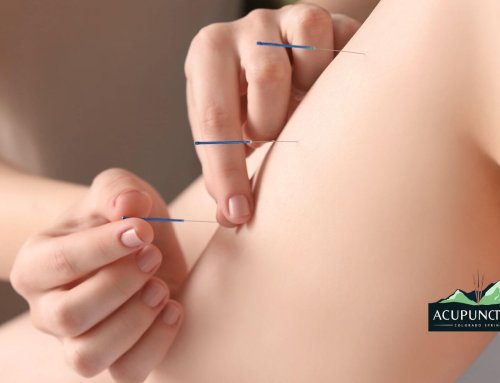
Many people are nervous about acupuncture needles, especially if they’ve never tried the treatment before. One common question is about needle depth: how deep do acupuncture needles actually go? The answer depends on the location and the treatment goal, but for most acupuncture points used in fertility care, needles are inserted quite shallowly—typically between a quarter inch and half an inch.
Points on the abdomen, lower back, and legs commonly used for reproductive health are gently needled to a depth that feels comfortable. You might feel a slight pinch or tingling sensation when the needle is inserted, but most patients describe the feeling as mild and even relaxing once the needles are in place. The needles are hair-thin, sterile, and single-use, so there’s no risk of infection or cross-contamination.
Depth also varies based on your body type and the specific point being needled. Points on fleshier areas, such as the thighs or buttocks, may need to be needled slightly deeper than points on the hands, feet, or face. The goal is always to reach the therapeutic level where the body’s energy and circulation can be influenced without causing discomfort. If you’re anxious about needles, let us know—we can start with fewer needles or shallower insertion and build up as you become more comfortable.
Maintenance Care and Long-Term Fertility Support
Fertility journeys are rarely short or straightforward. Whether you conceive quickly or it takes longer than expected, maintaining consistent care helps you stay balanced and resilient. After the initial intensive phase, many patients transition to maintenance sessions every two to four weeks, checking in regularly to manage stress, support cycle health, and adjust the plan as needed.
Maintenance care is especially valuable if you’re between IVF cycles, taking a break from active trying, or navigating the emotional ups and downs that come with fertility challenges. These sessions provide a space to reset, process what’s happening, and keep your body in the best possible state for conception when the time is right.
Some patients continue acupuncture into early pregnancy for nausea, fatigue, and anxiety support. Others pause treatment after a positive pregnancy test and return postpartum. There’s no single right path—what matters is that the care feels supportive and aligned with where you are in your journey.
How Acupuncture Colorado Springs Supports Your Fertility Journey
If you’re exploring acupuncture for fertility support in the Colorado Springs area, our clinic offers personalized, compassionate care rooted in both Traditional Chinese Medicine and modern evidence-informed practices. We understand that fertility challenges can be isolating and stressful, and we’re here to provide a calm, supportive space where you can focus on your health and well-being.
Led by David W. Armstrong, L.Ac., a board-certified acupuncturist with years of experience supporting patients through fertility journeys, we tailor every treatment plan to your unique needs. Whether you’re preparing for IVF, trying to conceive naturally, or managing conditions like PCOS or endometriosis, we’ll work with you to create a schedule that makes sense for your body and your timeline.
Our clinic serves Colorado Springs and surrounding communities, including Manitou Springs, Old Colorado City, and Woodland Park. We use sterile, single-use needles and follow all state safety and hygiene regulations. Beyond acupuncture, we can also discuss complementary therapies such as cupping and guidance on Chinese herbal medicine to support your fertility goals. Every session begins with a conversation about how you’re feeling and what’s changed since your last visit, so we can adjust your care in real time.
Conclusion
Acupuncture for fertility is most effective when sessions are consistent, personalized, and aligned with your cycle and treatment timeline. Weekly visits during the initial phase build momentum, while adjustments based on your needs and circumstances keep care relevant and supportive. Whether you’re preparing for IVF or trying naturally, the right frequency helps your body find balance and resilience throughout your fertility journey.
Acupuncture Colorado Springs offers personalized Chinese medicine plans tailored to your fertility journey. We address root causes with acupuncture and herbal guidance. Get started with a consultation today.
FAQs
How Many Acupuncture Sessions Do You Need To See Results?
It varies by condition and how long it’s been present, but many people notice some change within 3–6 sessions; more complex or chronic issues often need 8–12+ sessions for steadier, longer-lasting results. At Acupuncture Colorado Springs, we tailor frequency and duration to your goals and response, adjusting as your body changes.
How Often Should You Get Acupuncture For Chronic Pain?
For chronic pain, a common starting point is 1–2 visits per week for 3–6 weeks, then tapering to weekly or every other week as symptoms stabilize. We focus on both relief and root-cause patterns to help you transition to a sustainable maintenance plan.
Is It OK To Do Acupuncture Every Day?
In some situations, short-term daily acupuncture can be appropriate (for example, acute flare-ups or time-sensitive goals), but it’s not necessary for most people and should be guided by a licensed practitioner. We’ll recommend a safe, effective schedule based on your presentation and recovery capacity.
How Long Should You Wait Between Acupuncture Sessions?
Many people do best with 3–7 days between sessions early on; for acute issues, 1–3 days may help, while maintenance care is often every 2–6 weeks. We’ll space treatments to match the duration of your improvements between visits.
How Often Should You Do Acupuncture For Anxiety Or Stress?
A typical plan is once weekly for 4–8 weeks, then every other week or monthly for maintenance, depending on stress load, sleep, and nervous-system symptoms. Our approach combines acupuncture with individualized lifestyle and (when appropriate) Chinese herbal guidance to support calmer, more resilient day-to-day function.