Burnout affects your nervous system in ways that extend far beyond feeling tired. When chronic stress overwhelms your body’s natural balance, it disrupts sleep patterns, creates persistent muscle tension, throws off digestion, and leaves you feeling emotionally drained. Your autonomic nervous system—the control center for stress responses—becomes stuck in overdrive, making it difficult to rest, recover, or find your usual resilience.
acupuncture offers a gentle, evidence-based approach to help calm overactive stress responses and support your body’s natural recovery process. This article walks you through what burnout does to your nervous system, how acupuncture treatments work to restore balance, and what you can realistically expect during your healing journey—from your first session to long-term recovery.
Key Takeaways
- Burnout disrupts your autonomic nervous system, affecting sleep, digestion, muscle tension, and emotional regulation.
- Studies show acupuncture helps lower cortisol levels and improves nervous system function with minimal side effects.
- Your first acupuncture visit includes a detailed health assessment, pulse and tongue evaluation, and personalized needle placement.
- Some stress relief may be felt after 1-2 sessions, while deeper nervous system healing typically requires 6-8 weeks of consistent care.
- Acupuncture works best when combined with lifestyle supports like adequate sleep, gentle movement, and stress management techniques.
How Burnout Disrupts Your Nervous System

Burnout creates a cascade of physical changes that go deeper than mental exhaustion. Your sympathetic nervous system—responsible for fight-or-flight responses—becomes chronically activated, flooding your body with stress hormones like cortisol. This constant state of alert prevents your parasympathetic nervous system from doing its job of rest, digestion, and repair.
The physical symptoms of this imbalance show up in predictable patterns. You might notice your sleep becomes fragmented or restless, even when you feel exhausted.
muscle tension accumulates in your shoulders, neck, and jaw as your body remains in a defensive posture. Digestive issues like bloating, irregular appetite, or stomach sensitivity become common as blood flow redirects away from your digestive organs. Emotionally, you may feel irritable, anxious, or disconnected—signs that your nervous system lacks the resources for emotional regulation.
Research published in Frontiers in Human Neuroscience demonstrates that acupuncture can help regulate autonomic nervous system activity, with measurable effects on stress indicators during and after treatment sessions. The high altitude and dry climate of Colorado Springs can amplify these stress responses, making nervous system support even more important for local residents.
Traditional Chinese Medicine views this pattern as disrupted qi (life energy) flow, often involving what practitioners call “liver qi stagnation” and “heart shen disturbance”—patterns that correspond closely to what Western medicine recognizes as chronic stress and nervous system dysregulation.
The Science Behind acupuncture for stress relief
Multiple studies show that acupuncture produces measurable changes in your body’s stress response systems. A meta-analysis published in The Journal of Alternative and Complementary Medicine found that acupuncture was as effective as benzodiazepines for improving sleep quality, but without the side effects or dependency risks. The treatment works by stimulating specific acupressure points that help regulate your hypothalamic-pituitary-adrenal (HPA) axis—the system that controls your stress hormone production.
When acupuncture needles are placed at specific points, they trigger the release of endorphins and other neurotransmitters that promote relaxation and pain relief.
Brain imaging studies using fMRI technology show that acupuncture treatments activate areas of the brain involved in emotional regulation while calming regions associated with stress and anxiety. A 2024 review in the International Journal of General Medicine documented how acupuncture reduces blood cortisol levels and helps restore normal HPA axis function.
Recent research involving 1,896 acupuncture treatments found that even a single session could reduce stress levels by 2.1 points and anxiety by 2.2 points on a 10-point scale. A comprehensive meta-analysis of 10 randomized controlled trials with 744 patients showed that acupuncture modestly but consistently improves autonomic nervous system function, particularly heart rate variability—a key marker of stress resilience.
The treatment appears to work by helping your nervous system remember how to shift between active and rest states more fluidly, rather than staying stuck in chronic stress mode.
What to Expect During Your First Acupuncture Visit
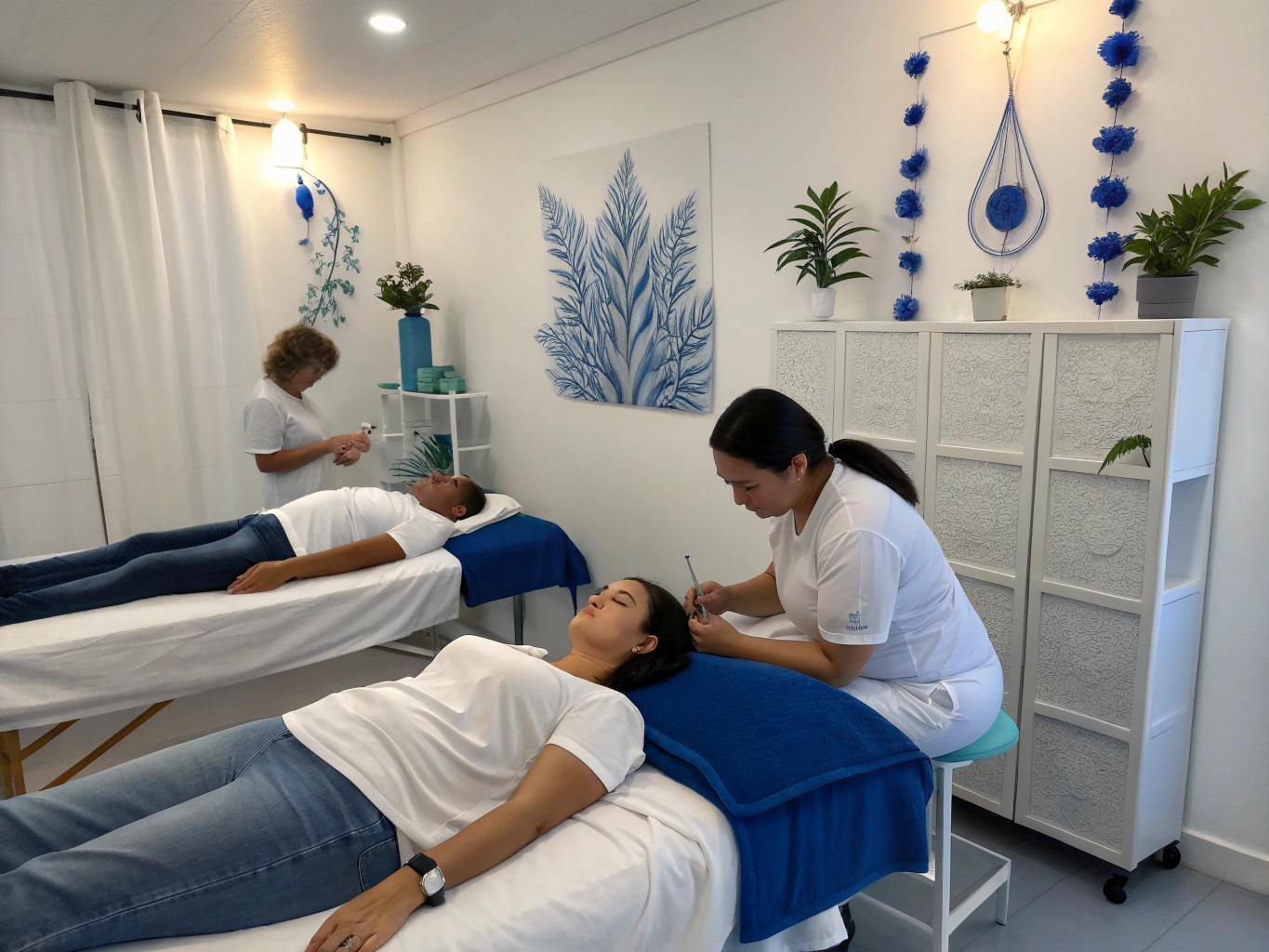
Your first appointment begins with a comprehensive conversation about your health history, current symptoms, and lifestyle factors contributing to your burnout. At Acupuncture Colorado Springs, we take time to understand not just your stress symptoms, but also your sleep patterns, energy levels throughout the day, digestive health, and how you respond to Colorado’s unique climate challenges. This initial assessment typically takes 15-20 minutes and helps us design a treatment plan specific to your needs.
The physical examination includes two diagnostic techniques that might be new to you: pulse assessment and tongue evaluation.
Your practitioner will feel the pulse at both wrists, checking not just the rate but also the quality, depth, and rhythm—information that reveals how your nervous system and organ systems are functioning. Tongue assessment involves looking at the color, coating, and texture of your tongue, which provides additional insights into your body’s internal balance and stress patterns.
1. Needle Placement and Sensation
Acupuncture needles are much thinner than medical injection needles—about the width of a human hair. Most people feel little to no discomfort during insertion, though you might notice a brief pinching sensation or mild pressure as the needle reaches the correct depth.
2. Treatment Sensations You May Experience
Once the needles are in place, many people experience what practitioners call “de qi”—a sensation of heaviness, tingling, or gentle pulling around the needle sites. This feeling indicates that your nervous system is responding to the treatment and is generally considered a positive sign.
3. Session Length and Environment
Most acupuncture sessions last 45-60 minutes, with needles typically left in place for 20-30 minutes while you rest in a quiet, dimmed room. The environment is designed to support your parasympathetic nervous system activation—the rest and digest response that counters chronic stress.
4. Immediate Post-Treatment Effects
Right after your first session, you might feel deeply relaxed, slightly tired, or energized—all normal responses as your nervous system begins to recalibrate. Some people notice improved sleep quality that same night, while others feel the effects build gradually over the following days.
5. Safety and Sterile Technique
All needles used are sterile, single-use, and disposed of safely after each session. Licensed acupuncturists follow strict safety protocols, and serious adverse events are extremely rare when treatment is provided by qualified practitioners.
The goal of your first visit is not just symptom relief, but beginning the process of teaching your nervous system how to find balance again.
Realistic Timelines for Stress Relief and Recovery
Understanding what to expect during your acupuncture journey helps set realistic expectations and reduces anxiety about the process. Stress relief often happens in layers, with some improvements appearing quickly while deeper healing takes more time. Your individual timeline depends on factors like how long you’ve been experiencing burnout, your overall health, sleep quality, and how well you’re able to support your treatment with lifestyle changes.
Most people notice some positive changes within the first few sessions, though the specific improvements vary from person to person.
| Timeline | What You Might Notice | Nervous System Changes |
|---|---|---|
| After 1-2 Sessions | Better sleep quality, feeling more relaxed | Initial parasympathetic activation |
| After 4-6 Sessions | Reduced muscle tension, improved mood stability | Stress hormone regulation begins |
| After 8-12 Sessions | Increased energy, better stress resilience | Autonomic nervous system rebalancing |
1. Immediate Relief (1-2 Sessions)
Many people experience noticeable relaxation during or immediately after their first acupuncture session. You might sleep more soundly that night or feel less muscle tension in your shoulders and neck the following day.
2. Early Pattern Changes (3-4 Sessions)
By your third or fourth visit, you may notice that stressful situations don’t trigger as intense a physical response. Your digestive symptoms might begin to improve, and you could find it easier to wind down in the evenings.
3. Stabilizing Improvements (5-8 Sessions)
This phase often brings more consistent energy levels throughout the day and improved emotional regulation. You might find yourself less reactive to workplace stress or better able to handle the demands that previously felt overwhelming.
4. Long-term Nervous System Healing (8-12+ Sessions)
Deeper healing typically requires consistent treatment over 8-12 weeks. This is when many people report feeling like their “old self” again—resilient, energetic, and able to handle normal life stresses without becoming overwhelmed.
5. Maintenance and Prevention
Once your nervous system has stabilized, many people continue with monthly or seasonal acupuncture sessions to maintain their stress resilience and prevent future burnout episodes.
Your practitioner will adjust your treatment frequency based on how you’re responding and what your schedule allows.
Lifestyle Supports That Enhance Acupuncture Benefits
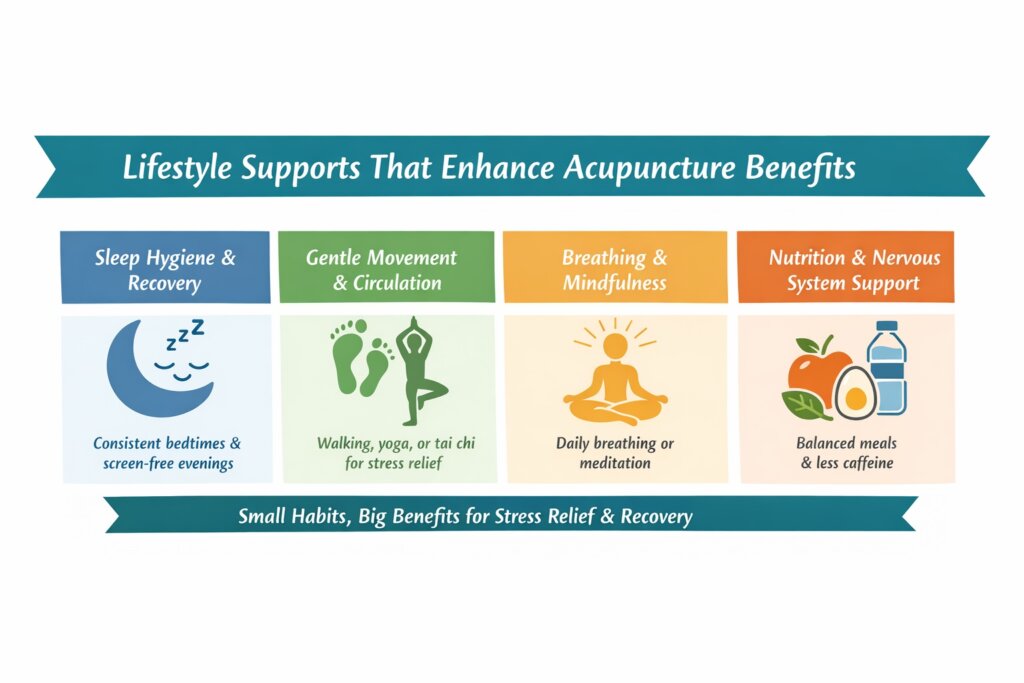
Acupuncture works most effectively when paired with lifestyle practices that reinforce nervous system regulation and recovery from burnout. These supports do not require major life changes—small, consistent habits often create the most lasting improvements. The goal is to reduce daily stress load while strengthening your body’s ability to rest, repair, and reset between treatments.
Sleep Hygiene and Recovery
Quality sleep supports deep nervous system repair and allows acupuncture treatments to have a longer-lasting effect. Consistent bedtimes, reduced evening screen use, and a cool, dark sleep environment help stabilize stress hormones and improve resilience.
Gentle Movement and Circulation
Low-impact movement such as walking, yoga, or tai chi helps process stress hormones and supports healthy circulation. During burnout recovery, gentle activity often restores energy more effectively than high-intensity exercise.
Breathing and Mindfulness Practices
Breathing exercises and meditation activate the parasympathetic nervous system and reinforce the calming effects of acupuncture. Even brief daily practices can help sustain relaxation between sessions.
Nutrition and Nervous System Support
Balanced meals with adequate protein and stable blood sugar support neurotransmitter production and energy regulation. Limiting excess caffeine and alcohol reduces unnecessary strain on an already stressed nervous system.
When lifestyle supports and acupuncture work together, results tend to feel steadier and more sustainable. Each small habit compounds the benefits of treatment by keeping your nervous system out of constant “fight-or-flight” mode. Over time, this integrated approach helps create a stronger foundation for stress relief, recovery, and long-term balance.
Why Choose Acupuncture Colorado Springs for Stress Relief
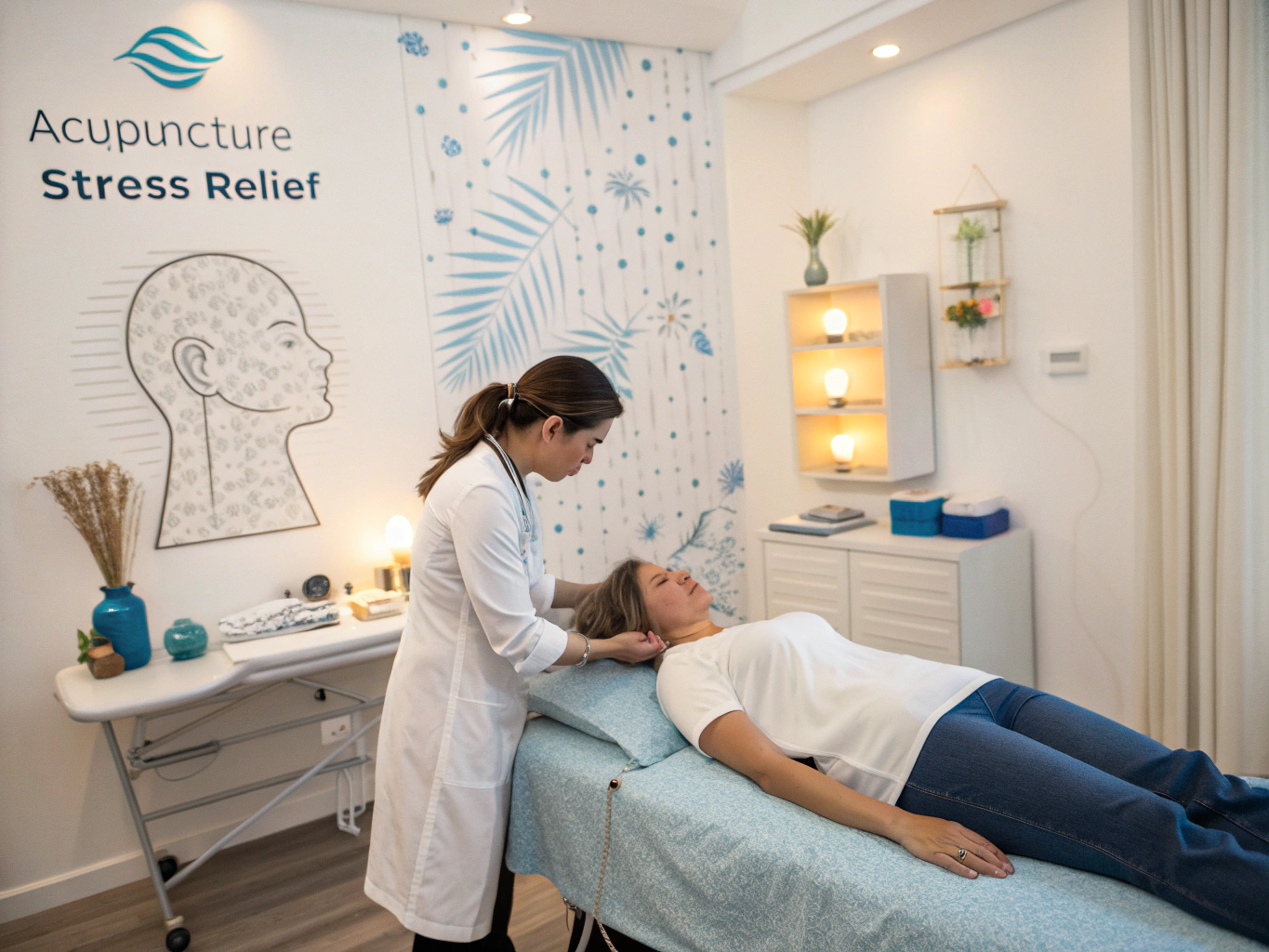
At Acupuncture Colorado Springs, we understand that burnout affects each person differently, which is why every treatment plan is tailored to your specific symptoms, lifestyle, and goals. Led by David W. Armstrong, L.Ac., our approach combines traditional Chinese medicine principles with modern understanding of nervous system function to address the root causes of your stress rather than just managing symptoms. We take time to understand how Colorado’s unique environment—including altitude, seasonal changes, and local lifestyle factors—may be affecting your stress levels and recovery.
Our clinic environment is specifically designed to support nervous system healing, with quiet treatment rooms and a calm atmosphere that helps activate your parasympathetic response from the moment you walk in.
We use only sterile, single-use acupuncture needles and follow all Colorado state safety regulations to ensure your treatment is both effective and safe. Beyond acupuncture, we offer complementary therapies like cupping that can enhance your stress relief results, along with guidance on Chinese herbal medicine and lifestyle supports that work synergistically with your treatments.
Located at 2525 W Pikes Peak Ave, Suite B, we serve Colorado Springs and surrounding communities including Manitou Springs, Old Colorado City, and Woodland Park. Our personalized approach means we’re not just treating your burnout symptoms—we’re partnering with you to build long-term stress resilience and help you reconnect with your body’s natural ability to heal and find balance.
Conclusion
Acupuncture offers a gentle, evidence-based path toward healing from burnout by helping restore your nervous system’s natural balance. While some relief may come quickly, deeper healing typically unfolds over several weeks of consistent treatment combined with supportive lifestyle practices. Ready to begin your journey toward better stress resilience and renewed energy? Contact Acupuncture Colorado Springs to schedule your consultation and take the first step toward reclaiming your well-being.
Acupuncture Colorado Springs offers personalized stress relief treatments using evidence-informed Traditional Chinese Medicine techniques. Our board-certified approach addresses burnout’s root causes, not just symptoms. Learn more about restoring your natural balance today.
FAQs
Does Acupuncture Really Help With Stress?
Acupuncture can help reduce stress by supporting the nervous system’s shift from “fight-or-flight” toward a calmer “rest-and-digest” state, which may improve sleep, muscle tension, and stress reactivity. At Acupuncture Colorado Springs, we tailor treatment to your specific burnout pattern and health history rather than using a one-size-fits-all protocol.
How Many Acupuncture Sessions Are Needed for Stress?
Many people notice some relief within 1–3 sessions, but more lasting change often takes a short series—commonly 6–10 visits—depending on how long symptoms have been present and how intense burnout feels. We’ll recommend a plan based on your goals, schedule, and how your body responds over the first few treatments.
Where Are the Acupuncture Points for Stress and Anxiety?
Common point areas include the ears, wrists/forearms, chest/upper back, abdomen, and lower legs/feet, chosen to calm the mind, ease tension, and support sleep and digestion. The exact points vary person to person, so we select them after a detailed intake and pulse/tongue assessment to match your underlying pattern.
Can Acupuncture Help With Anxiety and Depression?
Acupuncture may help reduce anxiety and depressive symptoms for some people, especially when stress, poor sleep, pain, or digestive issues are contributing factors. We often combine acupuncture with evidence-informed lifestyle guidance and, when appropriate, Chinese herbal medicine support, while encouraging coordination with your mental health provider for comprehensive care.
What Are the Side Effects of Acupuncture for Stress?
Side effects are usually mild and short-lived, such as temporary soreness, light bruising, or brief fatigue or lightheadedness after treatment; many people feel deeply relaxed. We use sterile, single-use needles and follow Colorado safety and hygiene standards to keep care as safe and comfortable as possible.